Healthy hair is a topic that has gradually shifted from a chase of perfection to a deeper understanding of what one feels is right over time. The rumor in 2026 is that the debate is primarily about finding one’s own balance, being patient, and slowly accumulating a greater awareness of the little things we do daily that make a difference. Just as your hair will reflect changes in season, stress, routines, and aging, this can be very reasonable. It is good one day, and it is bad the next, and that is how it is. Rigorous rules are less and flexibility, curiosity and gentle care are more. It is not a perfect concept, and it does not make the strands as they are in our life, but they make it feel supported, manageable and comfortable. Minor changes, mindful decisions, and benevolence towards your daily routine can make the process easier.
Understanding your hair’s natural pattern
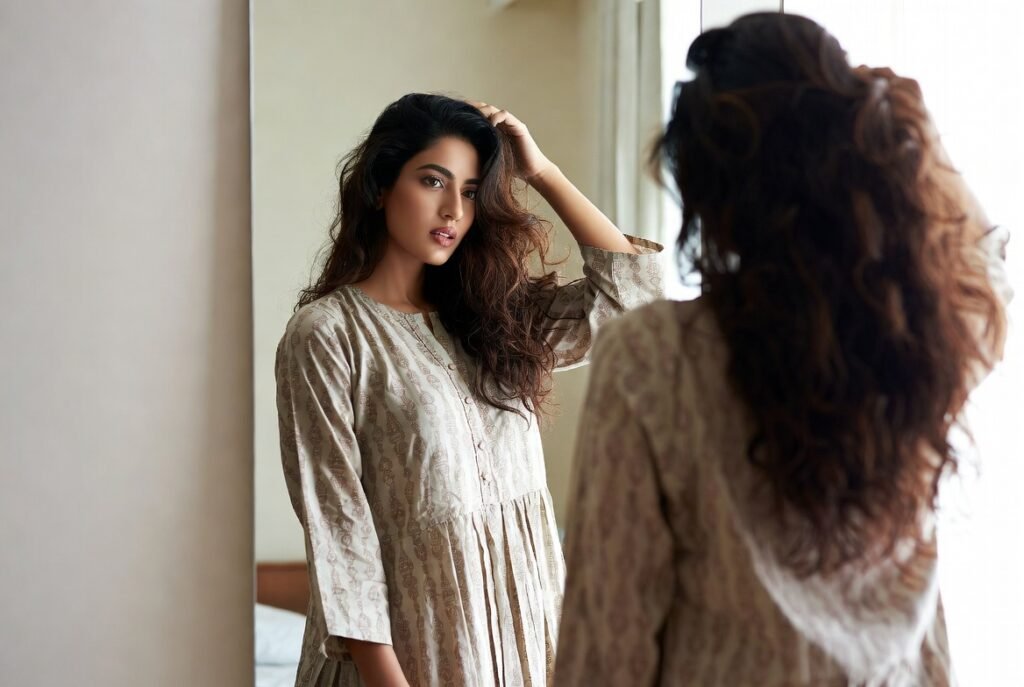
Textures and patterns of hair tend to have a rhythm of their own, and hair may be easier to work with rather than to push. What appears to be untidy may just be the reaction to the humidity, length, or even to the styling, which is not completely developed yet.
Scalp care matters more than you think
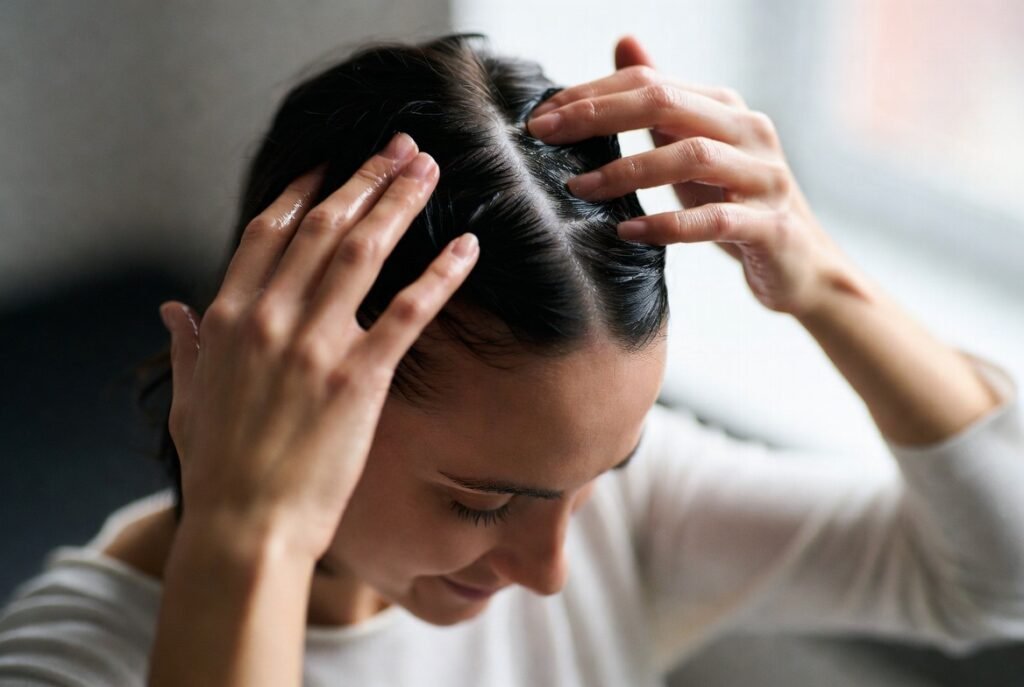
The scalp can eloquently determine the appearance and sensations of hair. Holding it warm and steady can assist in lessening irritation or accumulation, which occasionally influences shine, volume, or general comfort when styling each day.
Heat styling can be used thoughtfully
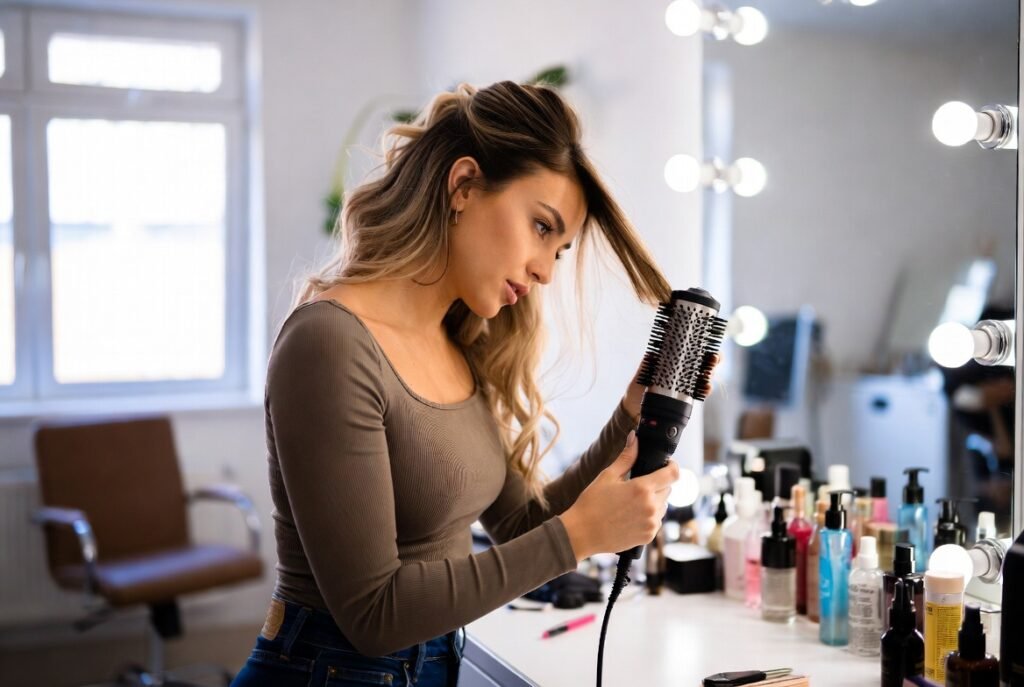
Heat tools must remain part of many routines, and that may be all right. Being attentive to temperature, frequency, and preparation could help minimize stress on hair, although it still offers the opportunity to be flexible and use it to achieve various appearances and events.
Trims are about maintenance, not drastic change
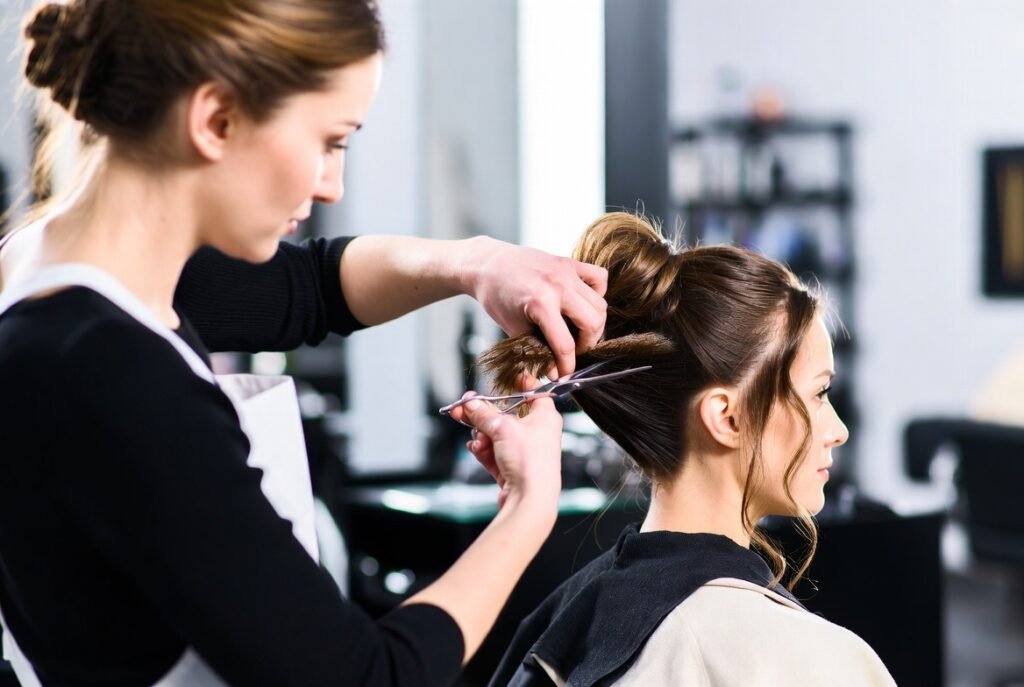
Periodic trimming is not necessarily concerned with the length of the cut, but it is important to make ends feel healthy. Even minor ones can make hair feel more acceptable, but depending on the timing and frequency, they can vary depending on the person.
Nutrition may show up in your hair
The hair may indicate certain general habits, such as eating and hydration. Although the outcomes might be different, regular food might help maintain hair condition over time without being too limiting.
Stress can quietly affect hair health

The stress makes itself felt in the most inconspicuous places, such as hair. Shedding or texture changes can occur in difficult times, and taking off as much as possible may allow things to resolve over time.
Hair changes with age
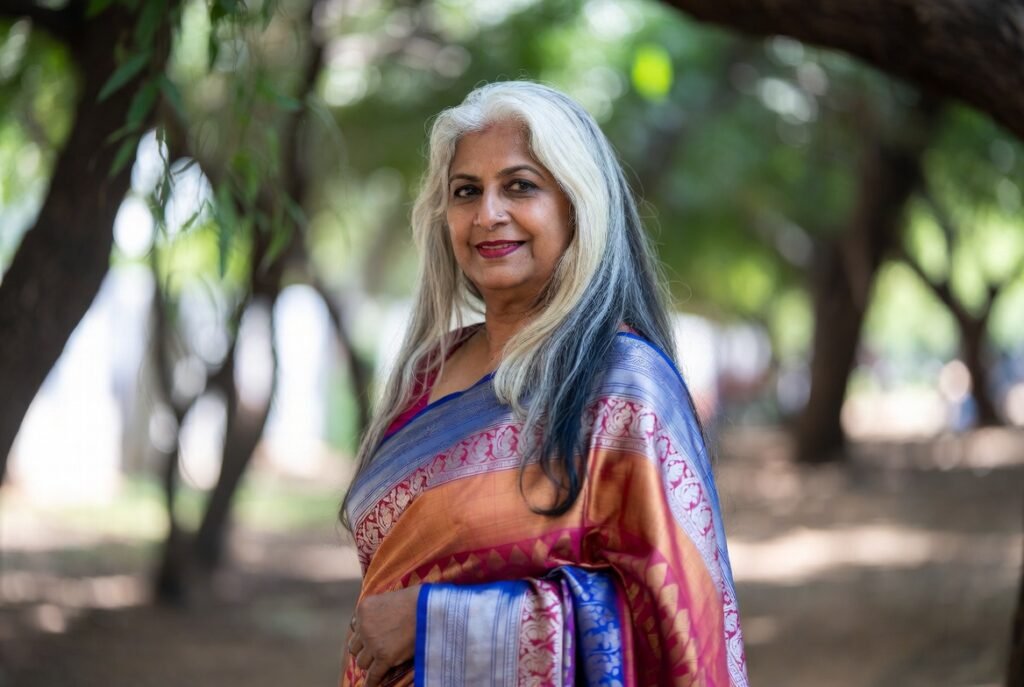
Hair may change in terms of its thickness, density, or texture with age. These vary, not to imply a sign of something wrong; it is just that hair is responsive to natural stages that exist as time goes by.
Protective styles can offer gentle support

Some styles can minimize the daily manipulation, which is beneficial to some individuals. It is usually all about comfort, the tension, and the ability to listen to what the scalp and hair appear to withstand well.
Brushing habits make a difference
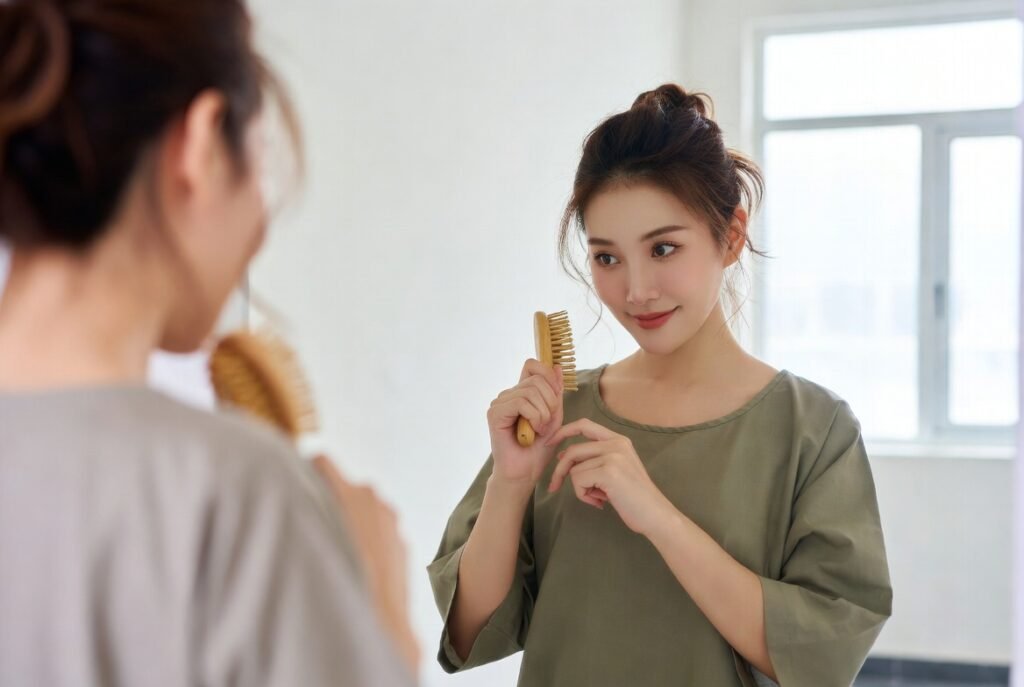
The manner in which hair is brushed and when it is brushed can influence breakage or frizz. Light touch is also necessary, particularly when hair is wet or in tangles, and this may contribute to the reduction of severe stress factors on the strands.
Sleep routines can affect hair feel
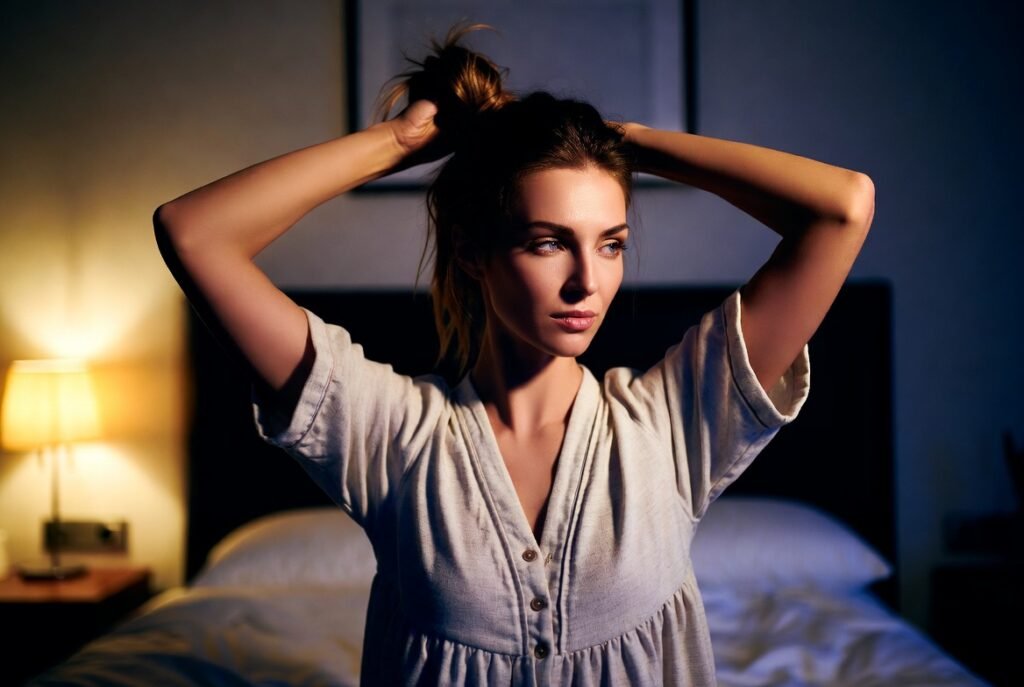
Hair friction occurs more than is expected at night. Even minor details such as the way the hair is tied or laid down could allow for decreasing the number of tangles and dryness as time goes by.
About the Author