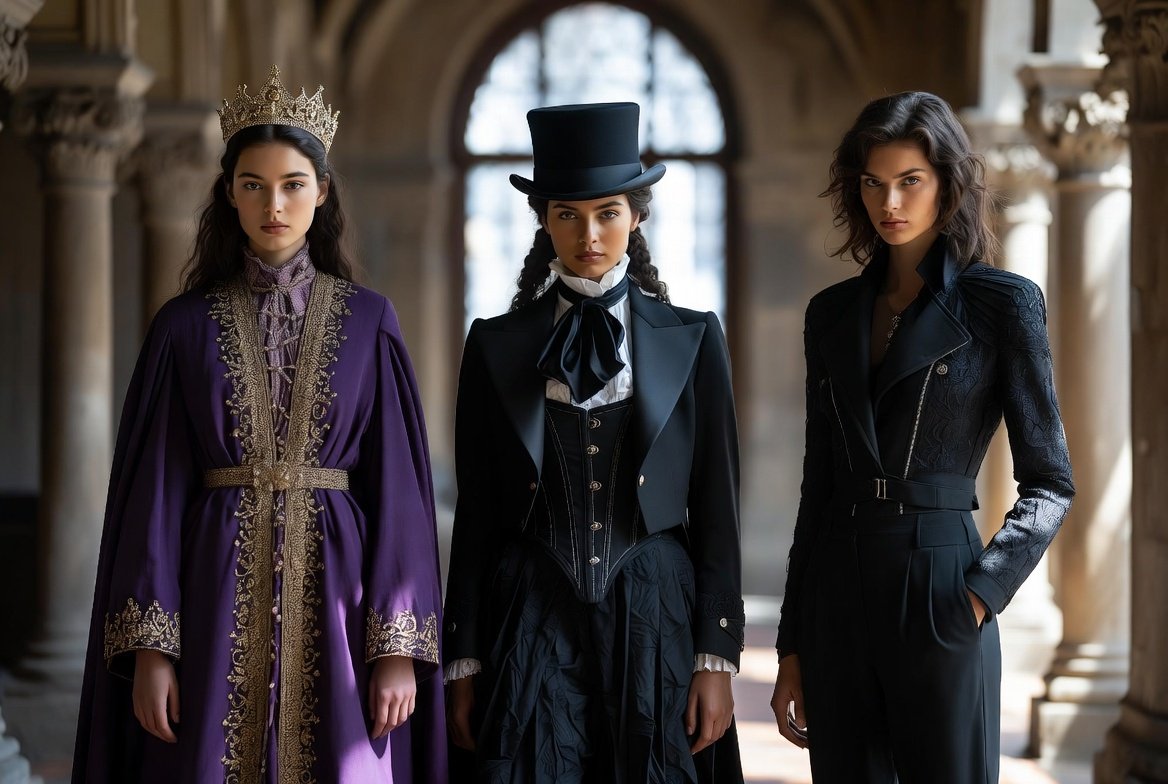
Fashion nowadays seems to be free and not reserved, but it was not always the case. Clothing has always been an indication of power, class, systems of belief, and social order. In other times of history, what people wore was tightly monitored, regulated, and even restricted by law or custom. Some of the styles, which are now viewed as harmless or even ordinary, were initially viewed as inappropriate, rebellious, or exclusive to certain groups. These restrictions were not necessarily written laws; occasionally, it was the unspoken rules and laws of custom. A retrospective of these times reveals the gradual departure of fashion, together with the values. It also serves as a reminder that taste or comfort has far more often dictated personal style than comfort.
Wearing certain colors
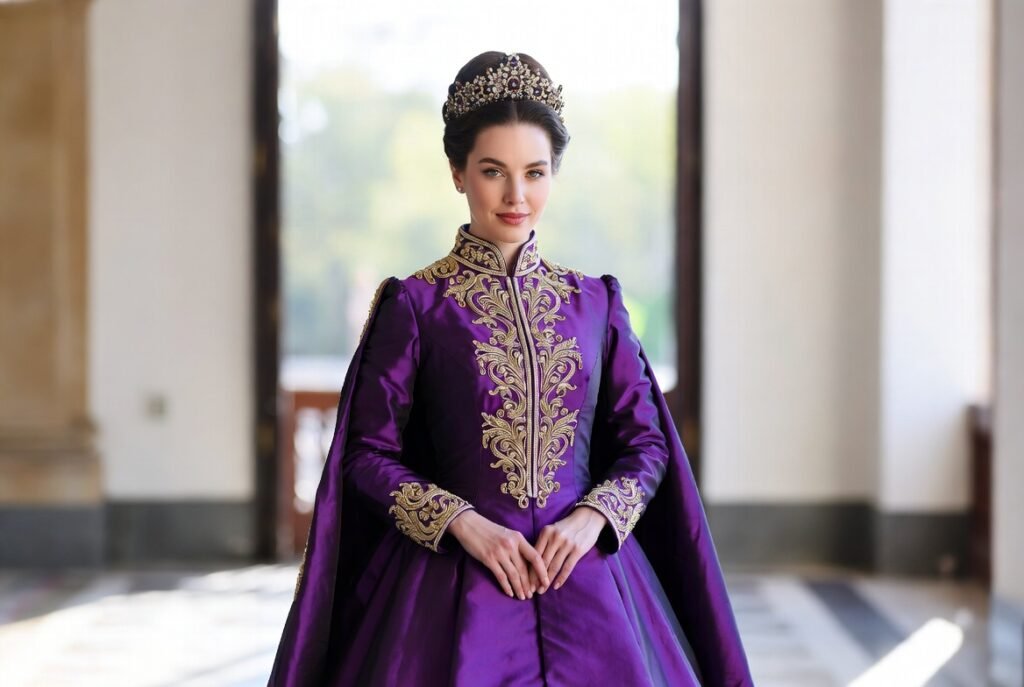
In most cultures, there was a close relation between status and color. Certain colors, such as purple or deep crimson, were only meant to be worn by the royal or the elite. Their use was not to be tolerated unless the person was feeling powerful and in order, since colors were perceived as a sign of social and political hierarchy.
High heels
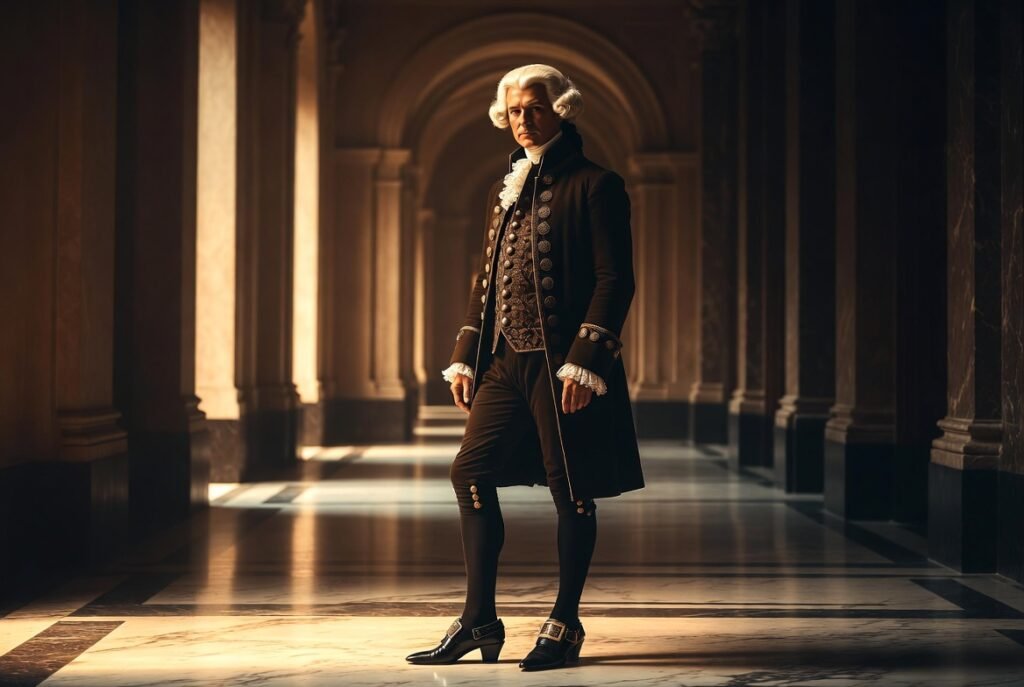
High heels were not necessarily an ordinary shoe. On other occasions, they were linked to affluence, power, or particular careers. They could have been used sparingly since they were unique, and they defied the concept of utility and status.
Pants for women
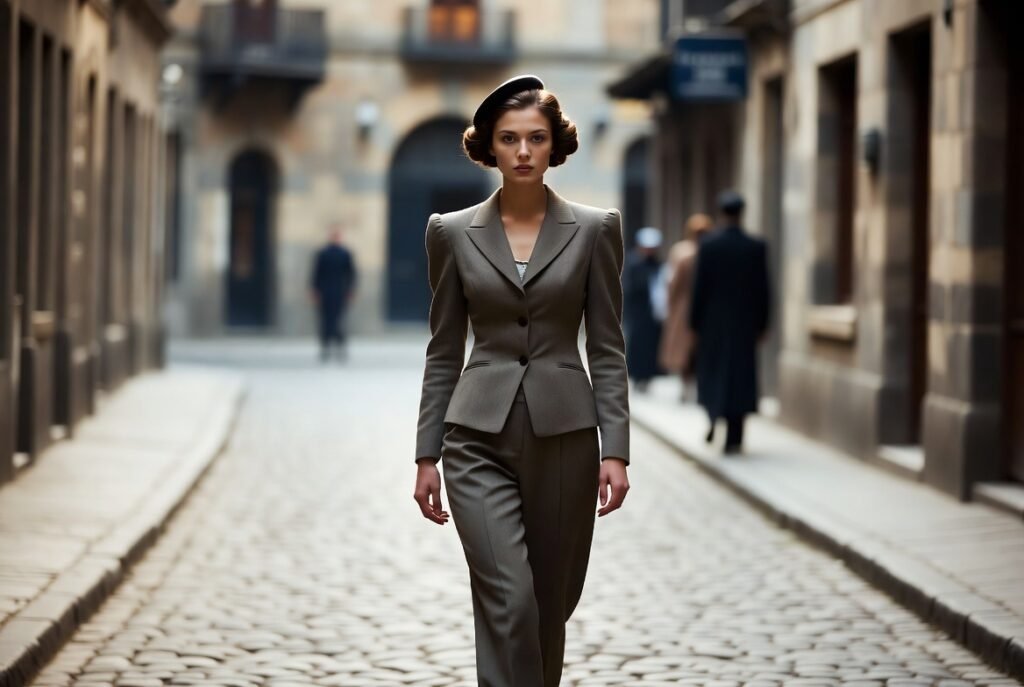
In most cultures, pants used to be considered unfit to be worn by women. Social conventions preferred dresses or skirts. Slowly, shifting work roles and lifestyles rendered pants acceptable and later the norm.
Jewelry for commoners
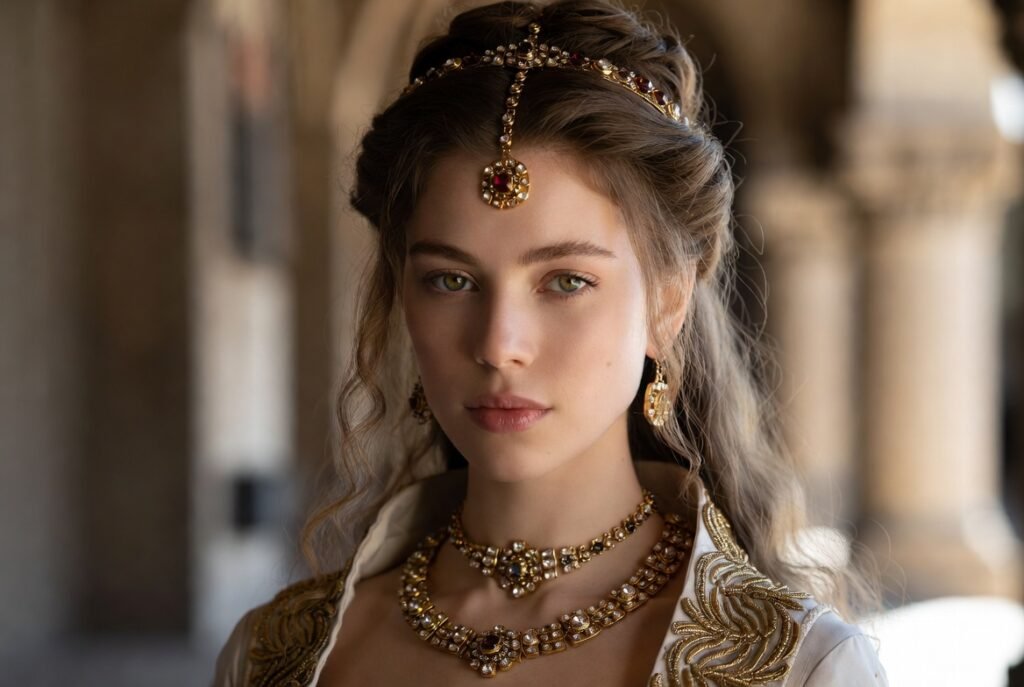
Jewelry was not necessarily worn at will. At times, precious metals and gemstones could only be enjoyed by the nobility. These limitations were useful in making the distinctions in wealth apparent, with accessories serving as a visualization of social status.
Shortened hemlines
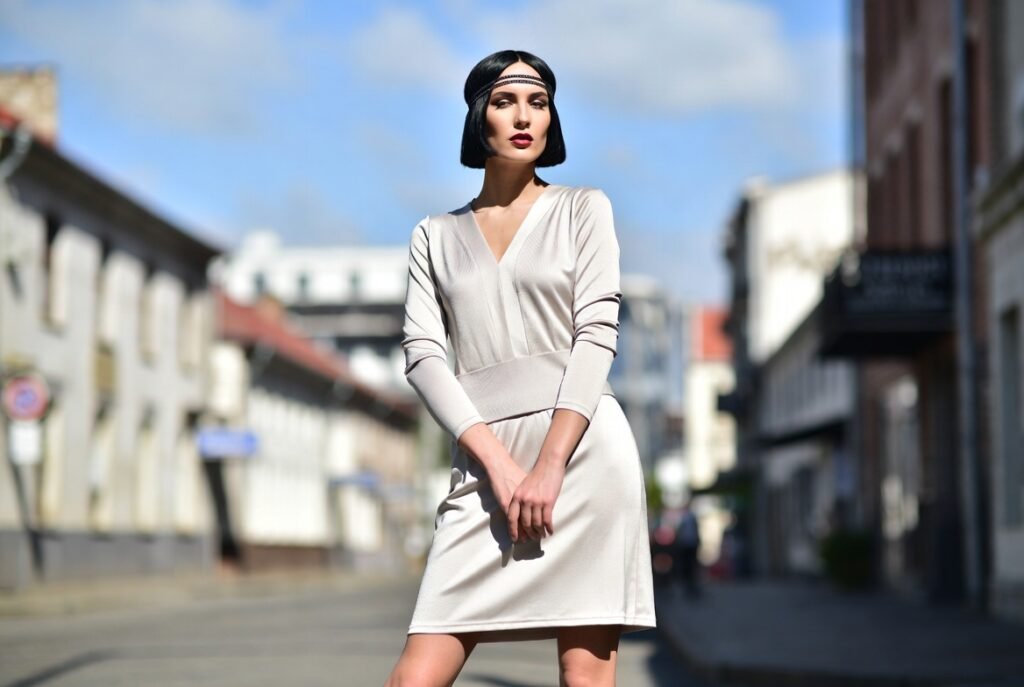
The use of shorter clothing was controversial. During some periods, revealing a greater part of the leg was unseemly. The hemlines were a contentious issue, considering modesty gradually changed.
Military-inspired clothing
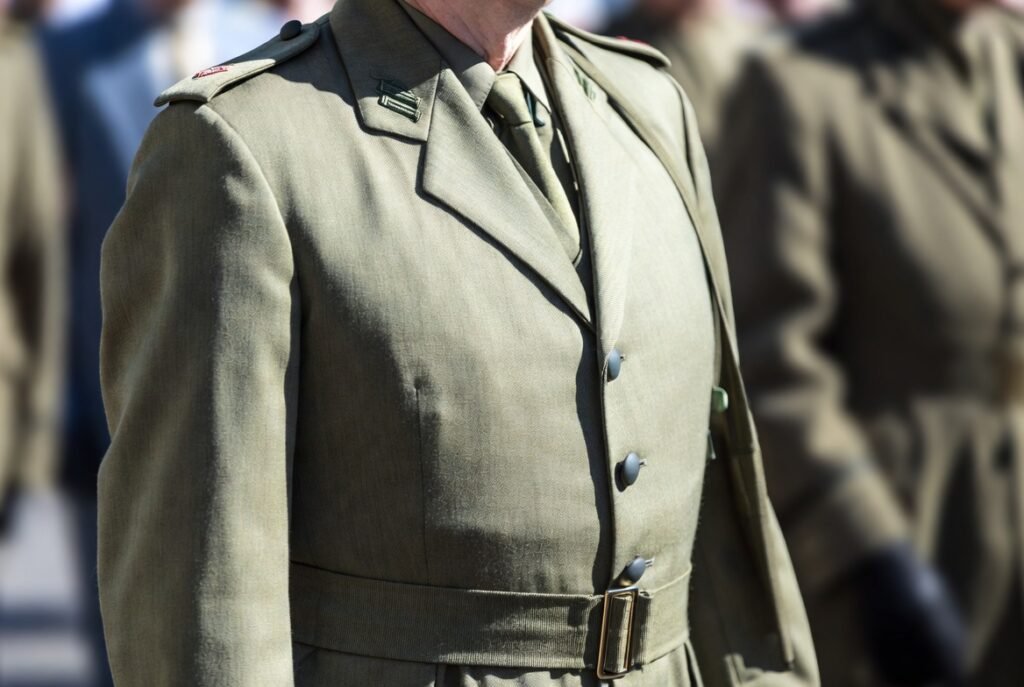
Stereotyped styles used to be highly defended. Garments that tend to look like military outfits should be avoided because such outfits were a sign of power and responsibility, not fashion.
Makeup in public spaces
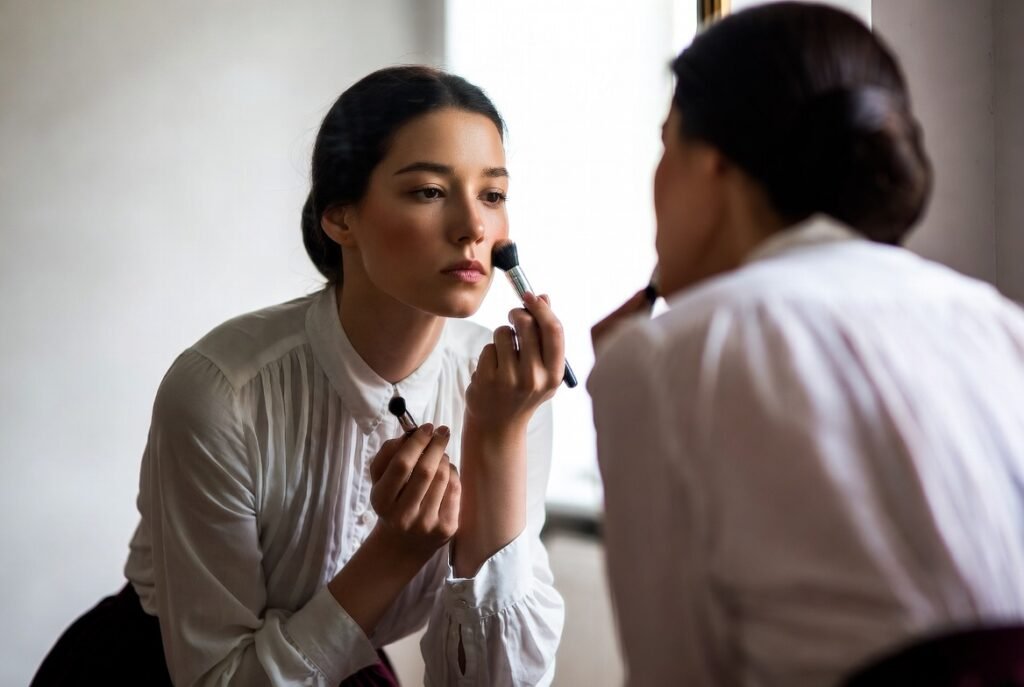
The cosmetics were also related to specific occupations or classes. Its use might be limited or controlled in some way, depending on the age, because appearance was very strongly related to ethical demands.
Accessories like gloves
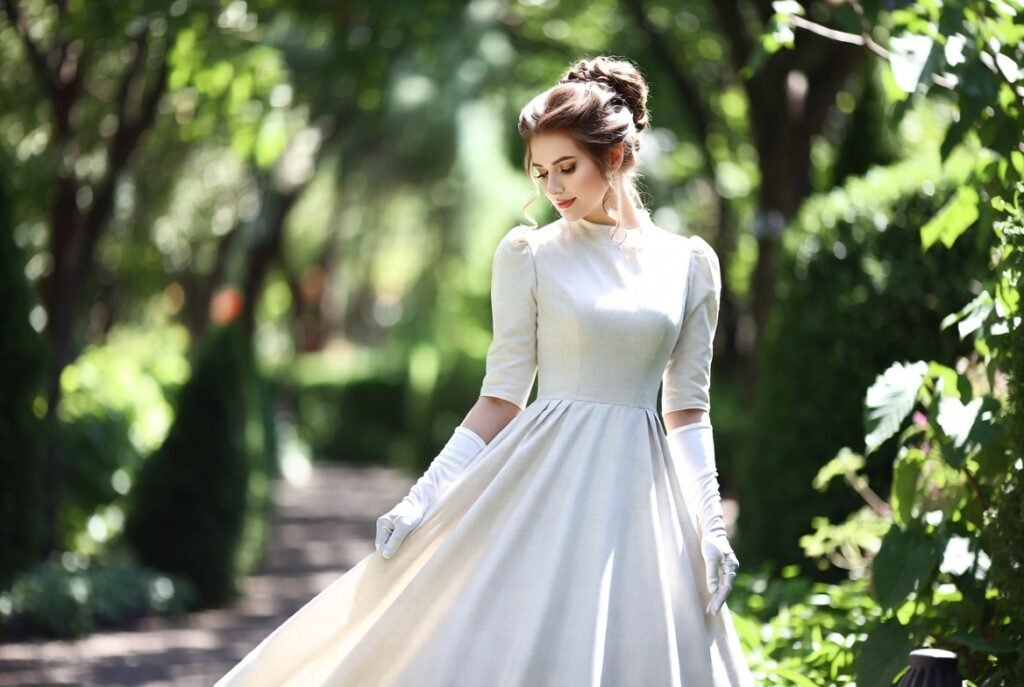
Gloves were not just a fashion accessory. Putting them on or off at times had an indication of the class and etiquette. Finally, the cost of access and social restrictions would limit access to fine gloves.
Logos and symbols
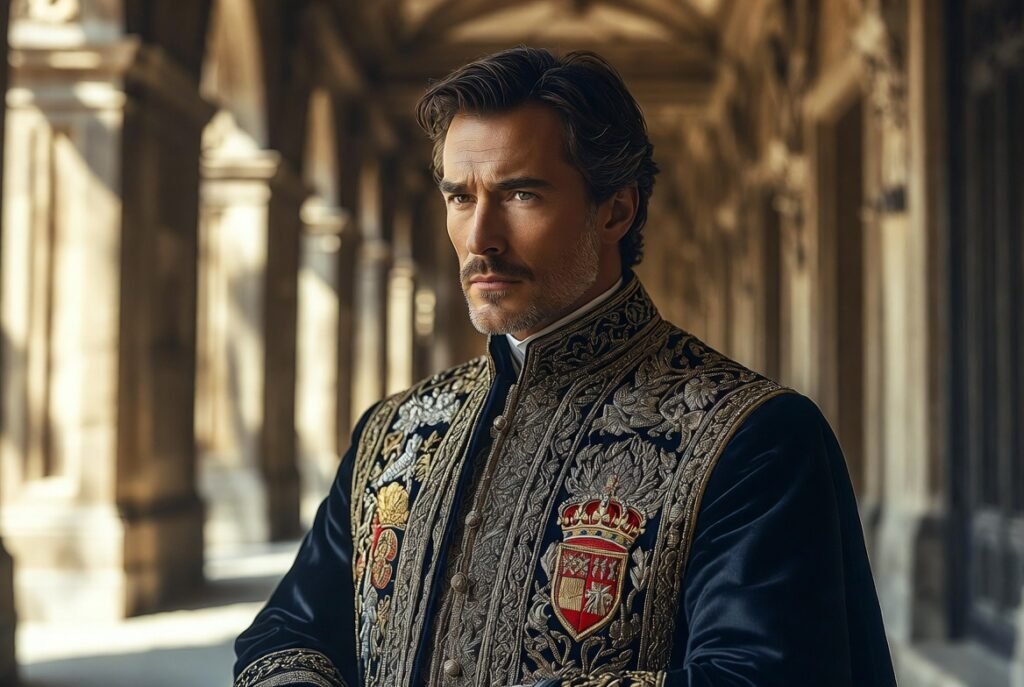
Clothing symbols and signs used to be strictly regulated. The issue around not belonging to the group they represented through wearing certain marks could be perceived as deceiving or disrespecting identities, which was supported by fashion.
About the Author