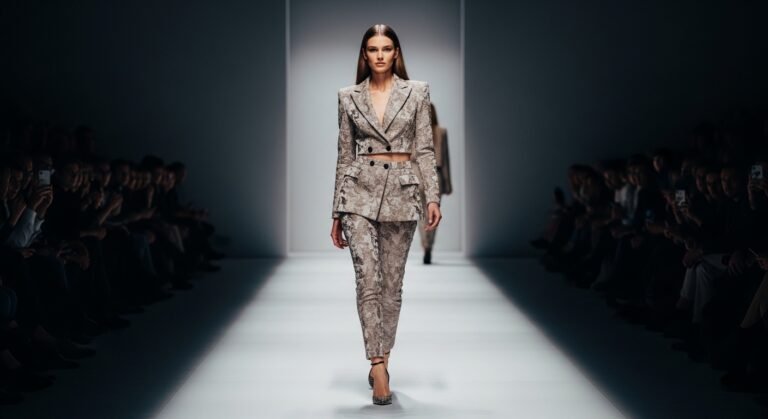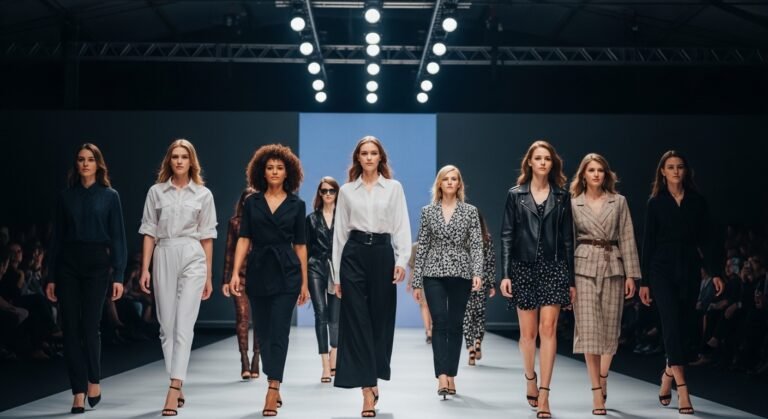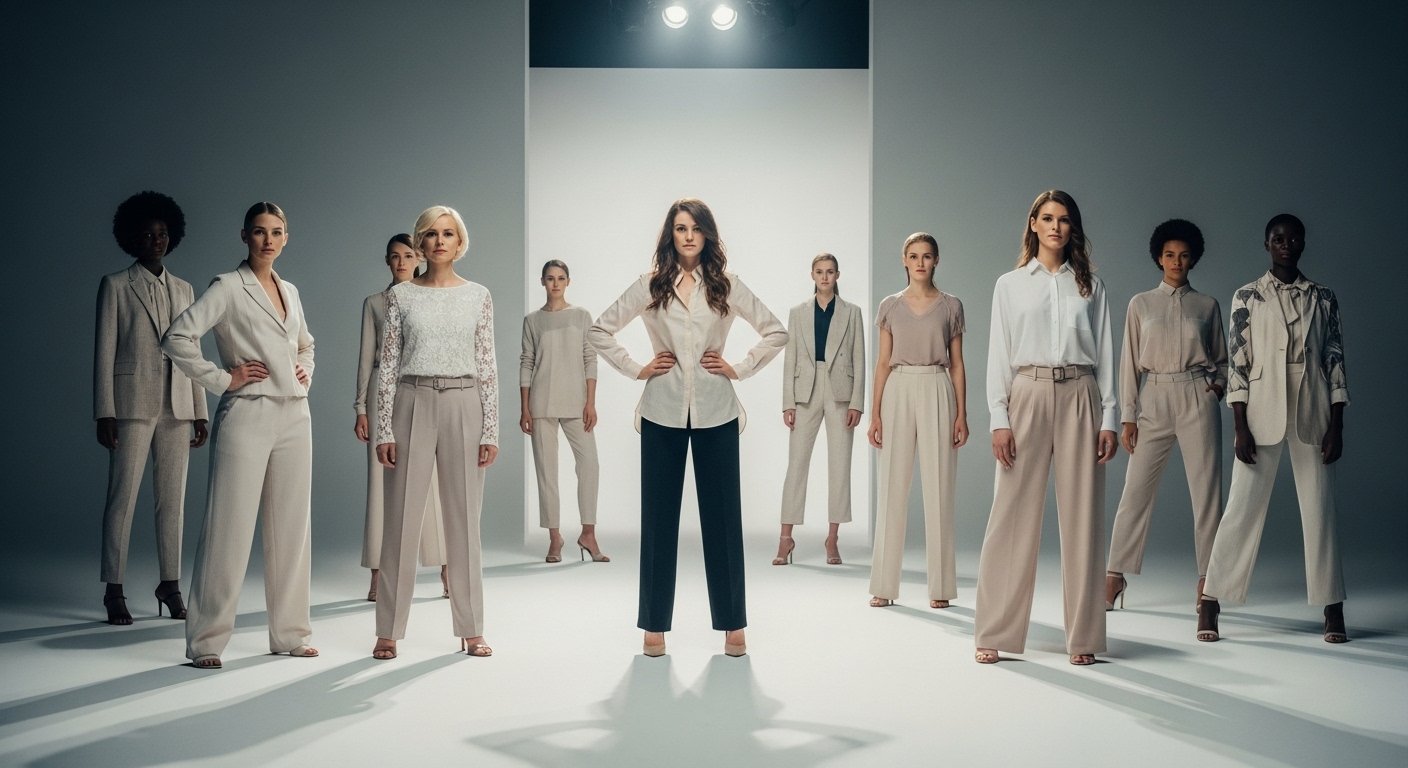
The modeling industry appears to be experiencing a discernible change, one that most of the people have been secretly yearning to see over the years. What previously seemed confined to a few derivative notions of beauty is now seeming to open up on invigorating and important lines. New faces, narratives, and personas are taking center stage, and it is more relatable than ever. It is not the best yet, but there is an increased feeling that everything is heading to a more inclusive place. The shift is not only in appearance but also in the way people relate to what they see in the magazines, the campaigns, and the runways.
Representation cross-culturally
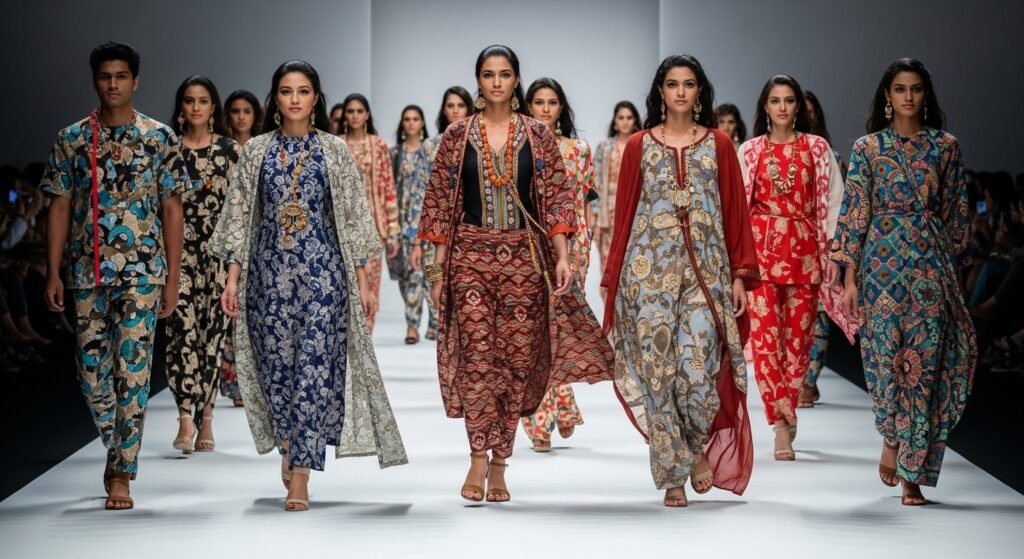
The models of different cultural backgrounds seem to be becoming more visible. This may assist viewers to relate to the world of fashion at a more personal level, whereby traditions and the contemporary coexist without being forced and are more real.
Body diversity becoming visible
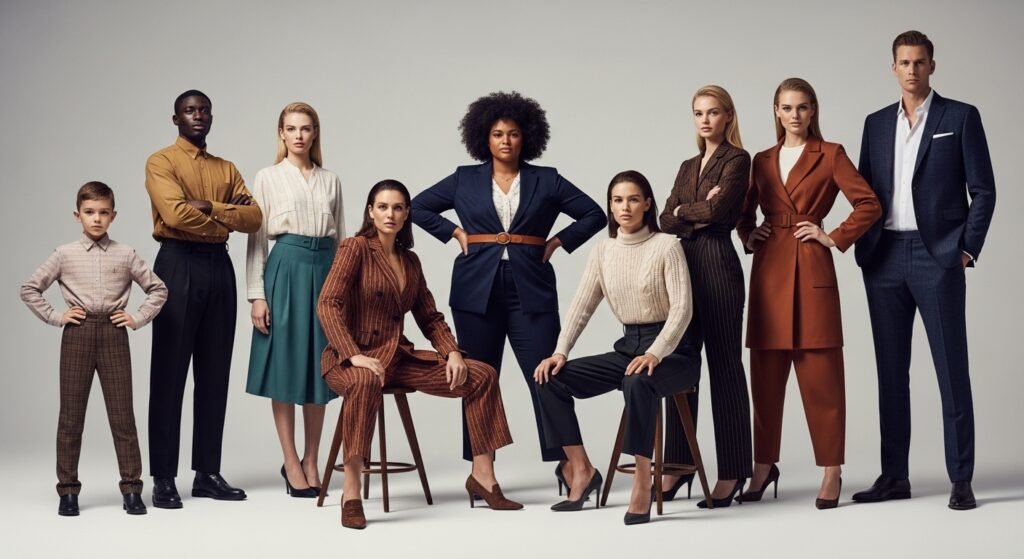
The various body types are gradually gaining their role in mainstream modeling. It might not be everywhere yet, but the availability of diverse shapes might also be encouraging more realistic expectations and making people feel like they are comfortable in their own skin.
Age inclusivity in fashion
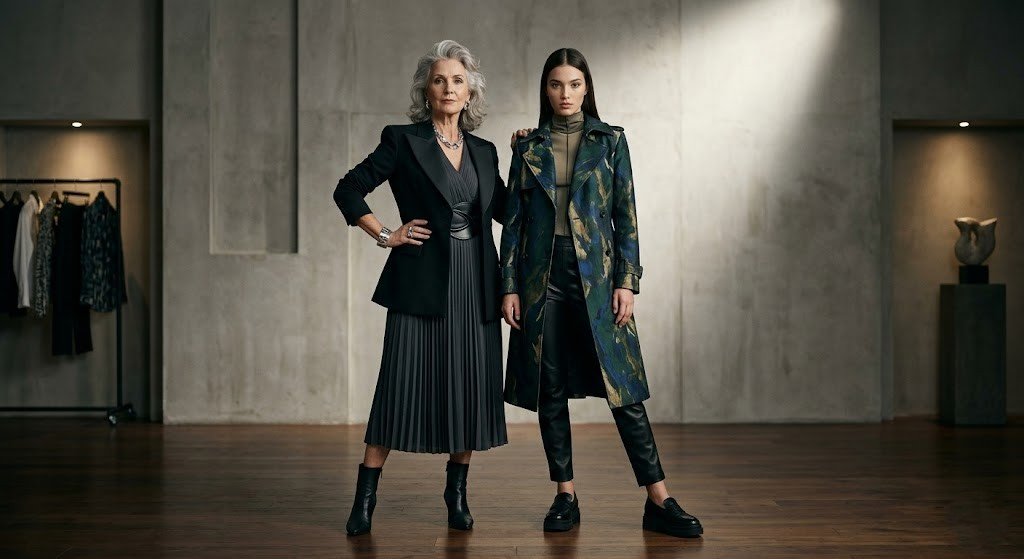
It appears that the notion that modeling is something that young people should do is bunk. The availability of older models is on the rise, and this may possibly set up the space to talk about beauty and confidence at any age.
Fashion brands expanding their vision
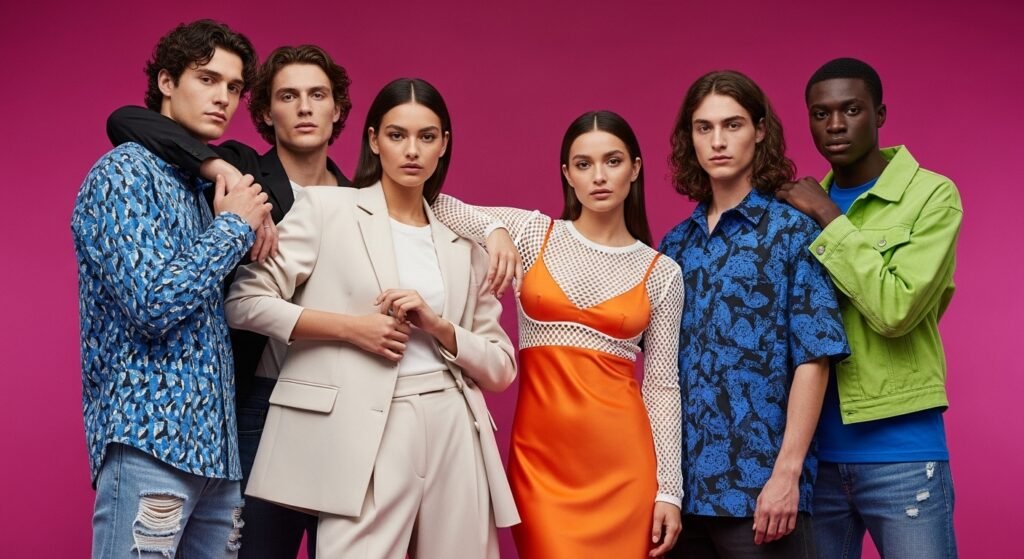
Certain brands appear to be more open in their campaigns in embracing diversity. Although styles can differ, this change could be indicative of the fact that audiences like seeing more diverse identities being represented.
More opportunities for emerging talent
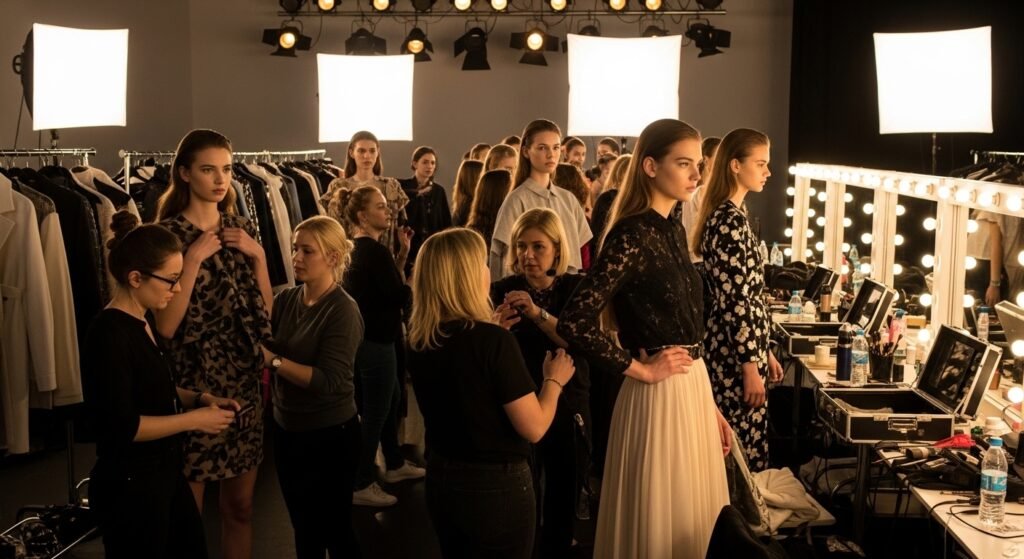
New talent in various segments of society may be getting a chance that previously seemed elusive with the evolving standards. This may slightly open up the industry and make it less exclusive.
Changing audience expectations
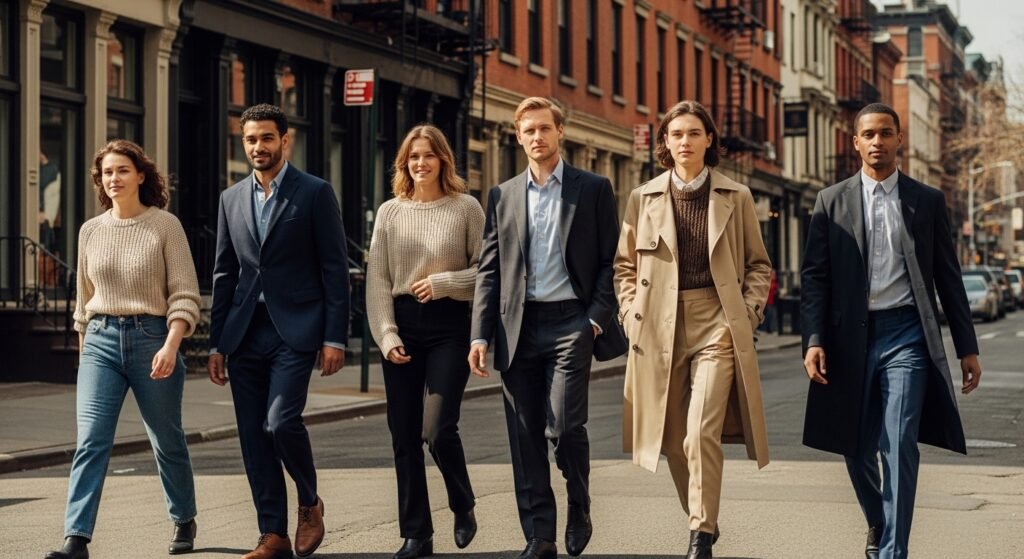
It appears that nowadays the audience expects more authenticity. If campaigns were reflective of real life, people could relate better to such campaigns, and this might be shaping the use of models by the brands and agencies.
Inclusion of people with disabilities
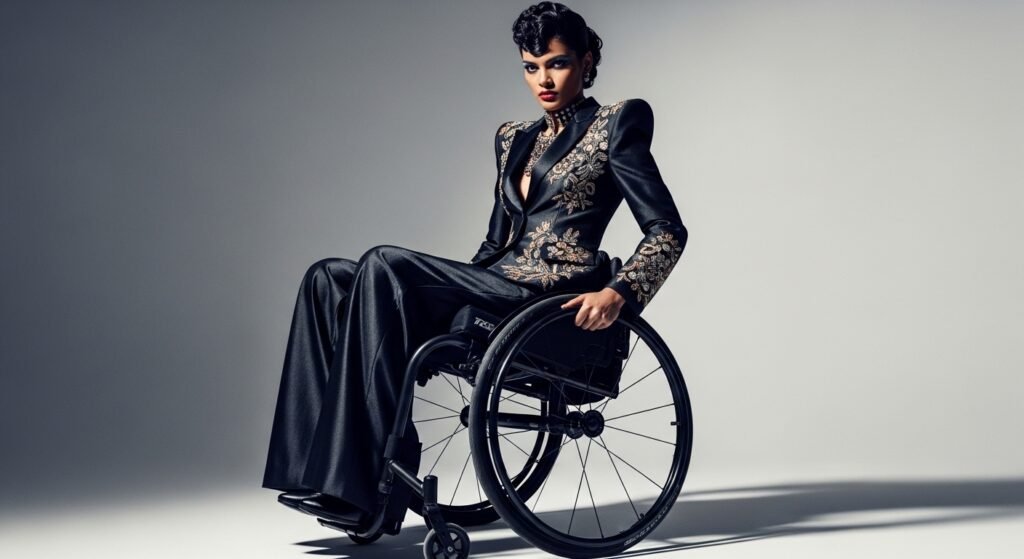
The indications are that models with disabilities are being used more frequently. This inclusion may be beneficial in the face of the still-developing state, as it could have the effect of expanding the horizons and bringing to light the stories that were not always visible.
Gender diversity in modeling
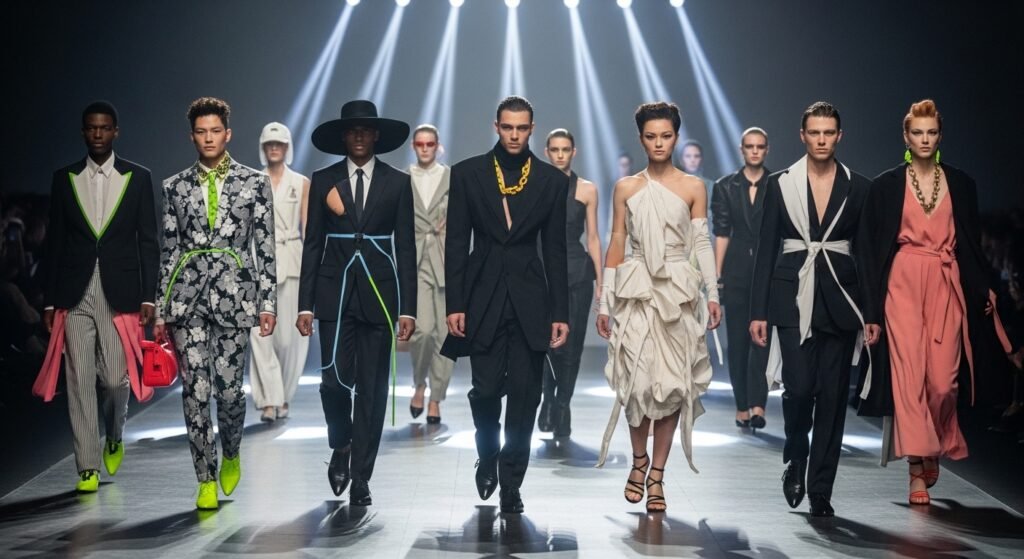
Diversity talks now appear to be more prevalent. Such discussions may not fix everything, yet they may be positive steps and slow improvement in the industry.
Global influence on local fashion
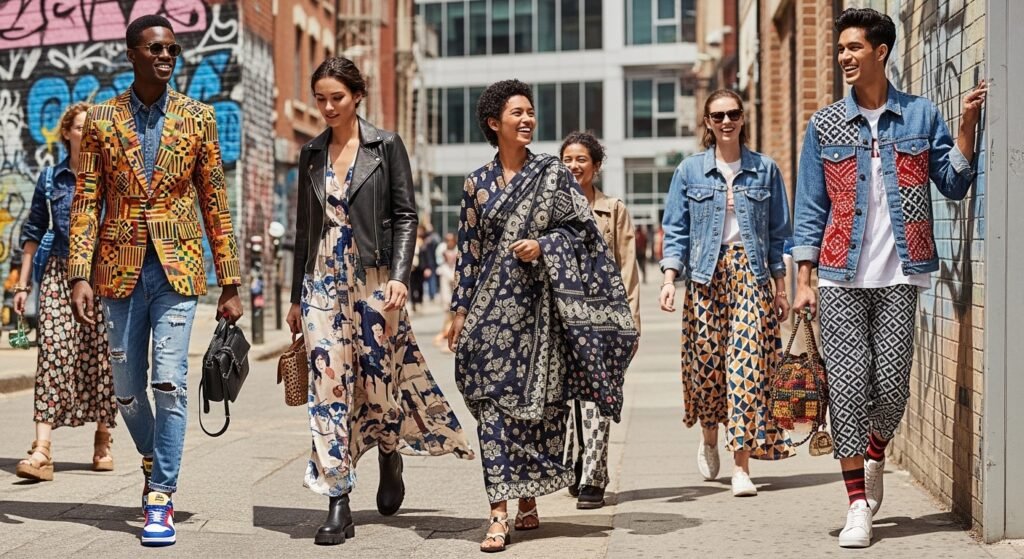
The local markets might be influenced by international trends to adopt more accommodating practices. This sharing of thoughts in the world could be contributing to diversity in other regions of the world.
Consumer connection and trust
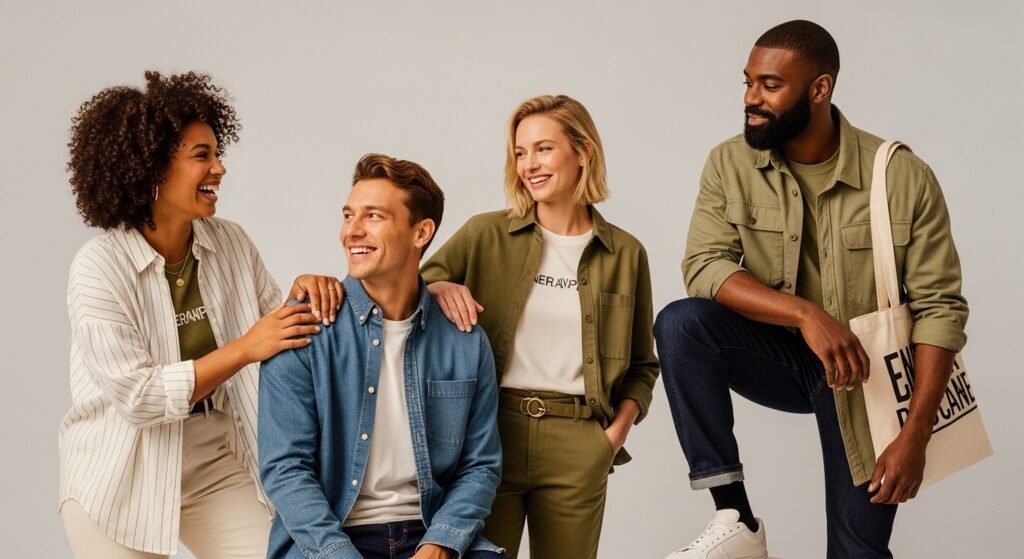
By seeing themselves in representations, people can also have a better relationship with brands. This feeling of the familiar might create trust and make fashion look less remote and intimidating.
The road ahead for diversity
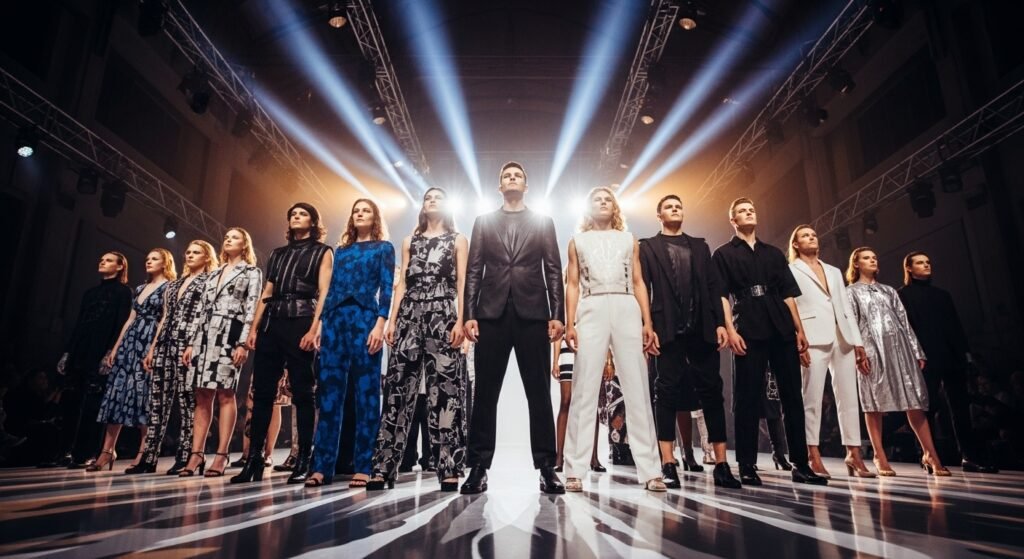
Even though the improvement can be observed, it can’t be that far. This trend is encouraging, and with more work, the modeling business can continue to transform into an arena that can be comfortable for a lot more individuals.
About the Author