Horror has quietly become one of cinema’s most dependable box office bets, and nothing proves it quite like Obsession, the $750,000 sleeper that has turned into one of 2026’s biggest theatrical stories. But Obsession is not an isolated fluke. It is the clearest sign yet of a much larger shift, where audiences are turning away from jump-scare spectacle and gravitating instead toward slower, stranger, more psychologically unsettling stories. Here is why this quieter brand of horror is having such a moment.
Obsession Became 2026’s Unlikely Box Office King
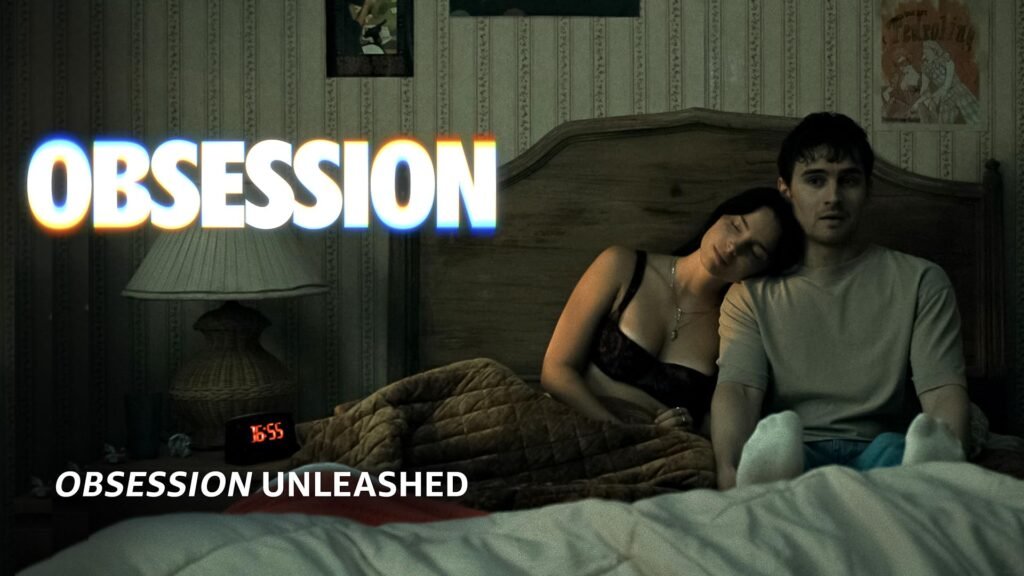
Shot in just twenty days on a shoestring budget, Curry Barker’s supernatural psychological horror has grossed well over $300 million worldwide, eventually overtaking every other horror release of the year. Focus Features originally paid around $15 million for distribution rights, the highest sum ever recorded for a genre film at the Toronto International Film Festival.
A Simple Premise With Disturbing Consequences
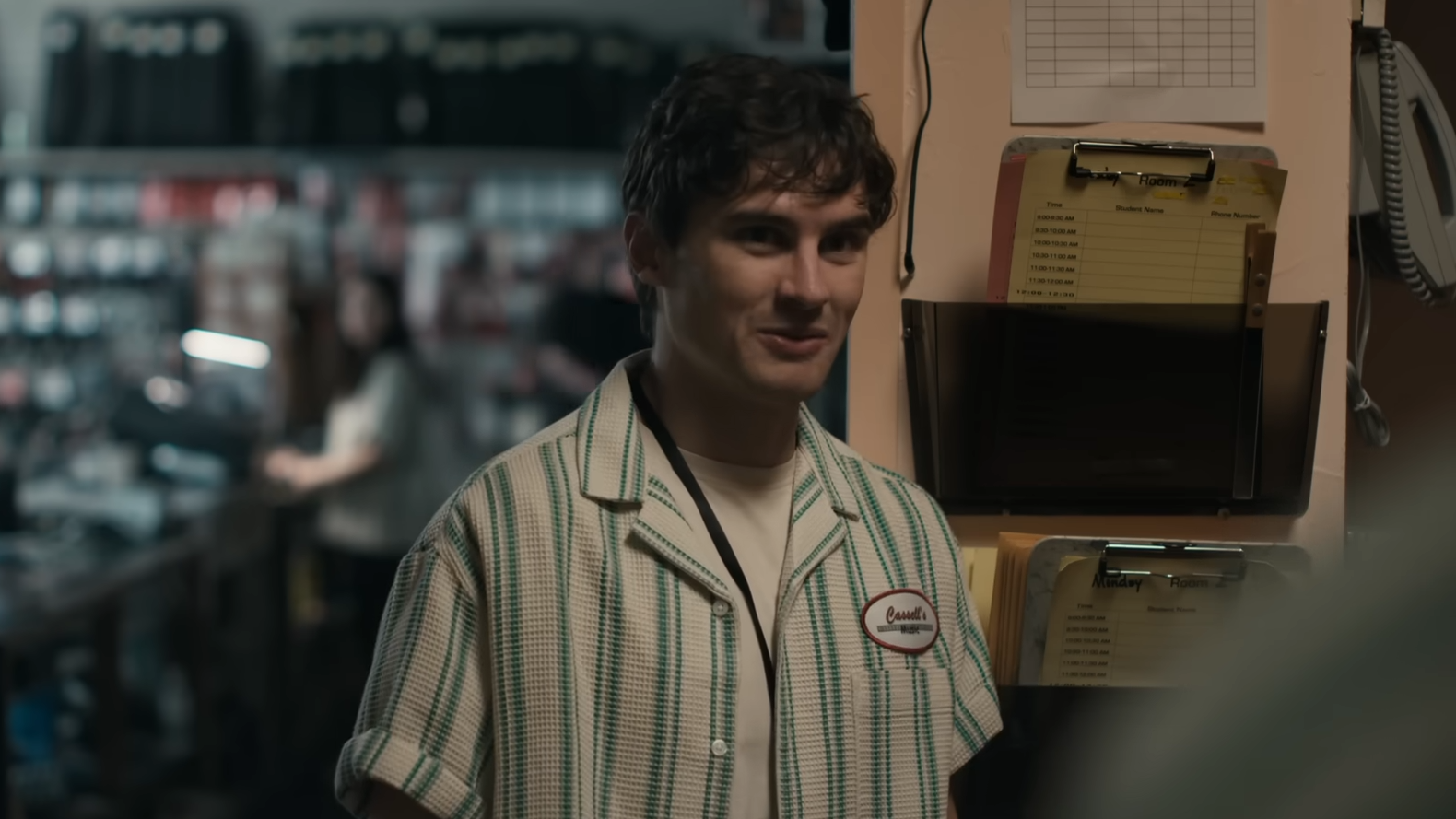
The story follows Bear, a shy music store employee who breaks a mysterious novelty toy to make his crush fall in love with him, only to watch that wish curdle into something violent and uncontrollable. Critics have repeatedly praised lead actress Inde Navarrette for a performance that swings between dark comedy and genuine dread.
Psychological Dread Over Cheap Jump Scares
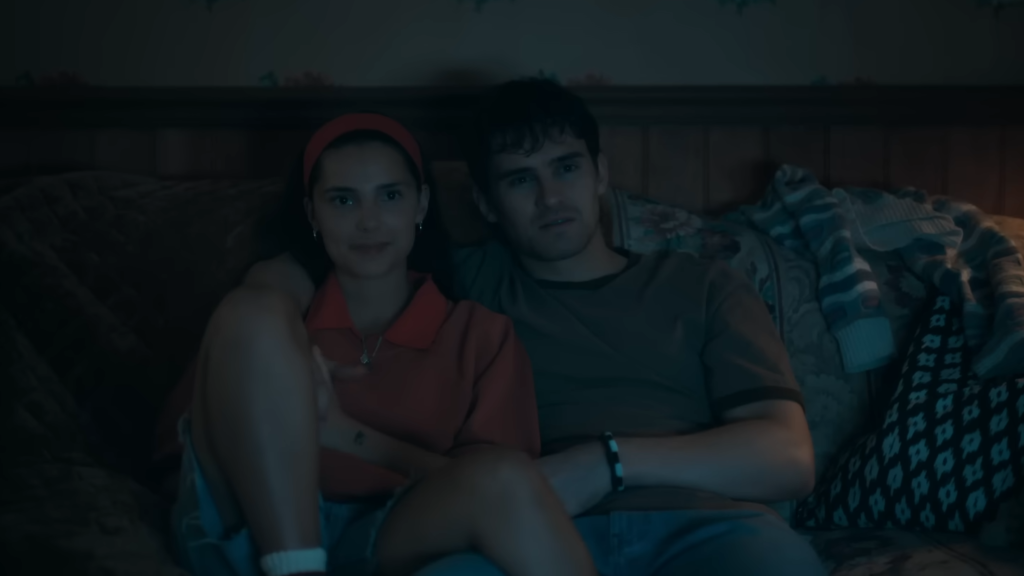
Director Barker has been out in the press talking about how he wants to focus on discomfort rather than shocking the audience and he goes to much greater lengths than to employ loud stingers because his sound design and unpredictable behavior do the job just fine. Some have pointed out that the quieter scenes, which are often more disturbing because nothing actually happens on screen, are more disturbing than the film’s overtly violent scenes.
Part Of A Wider Pattern, Not A One-Off Hit
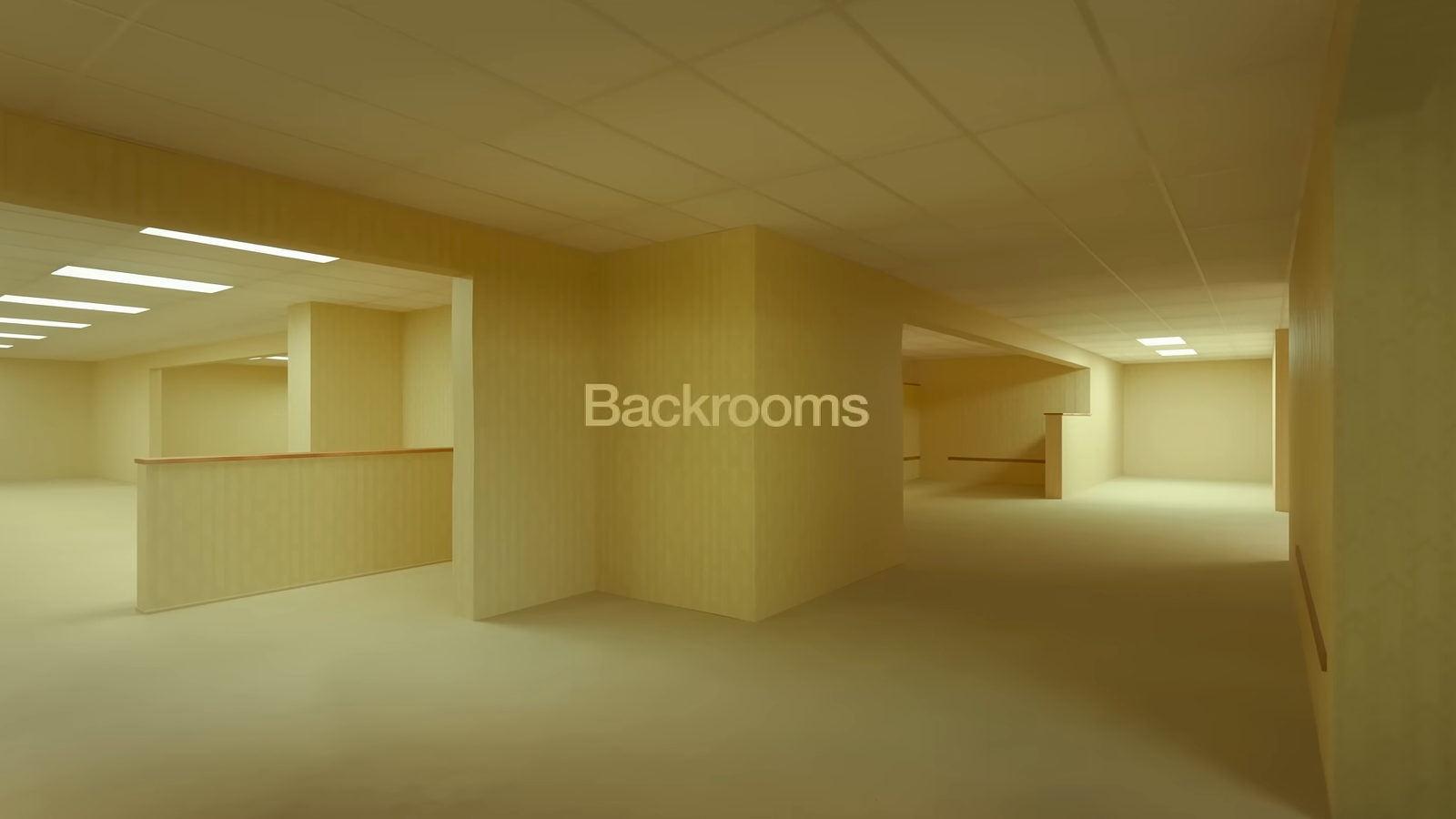
It was the same year as A24’s internet-themed success Backrooms, which the duo were able to take established horror franchises even further down the rankings. So, this is seen as proof that original, low-budget psychological horror can now trample on big-budget sequels.
A Genre Audiences No Longer Treat As A Guilty Pleasure
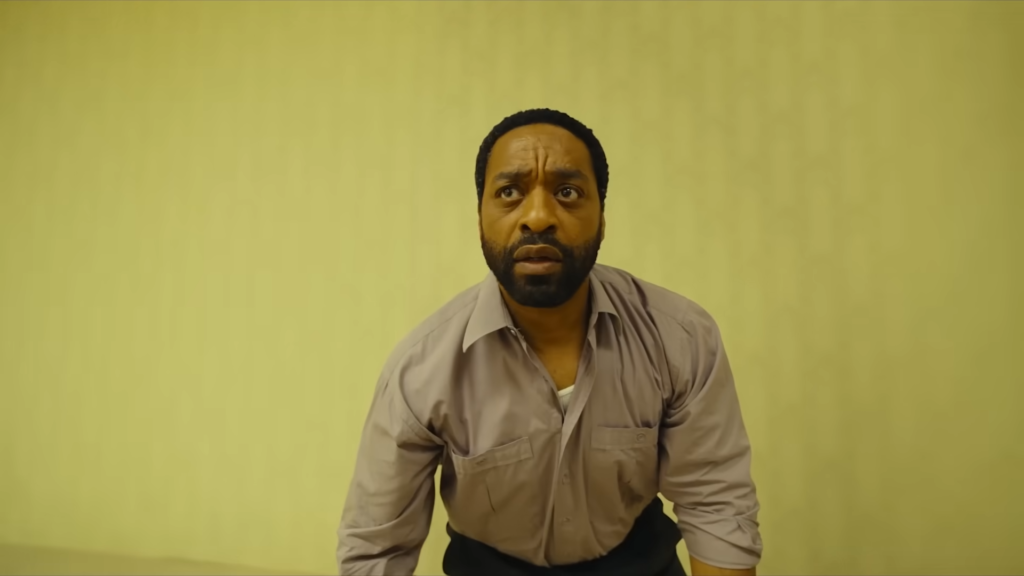
Horror’s share of total domestic box office revenue has climbed sharply over recent years, moving from under ten percent to well over twelve percent of ticket sales. What was once considered a disposable, low-prestige genre is now treated by studios as one of the safest and most profitable categories to invest in.
Gen Z Is Driving Much Of The Demand
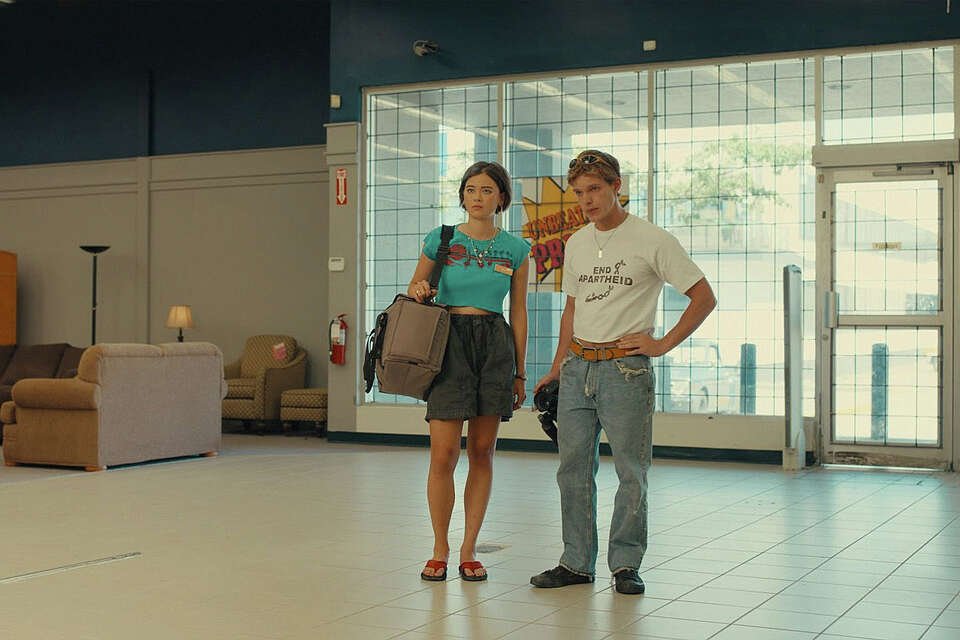
It appears that over nine out of ten Gen Z viewers now watch horror frequently and it is by far the most watched genre among young audiences according to surveys. They tend to gravitate towards stories that are psychologically and socially engaging over a slasher type story.
Horror As A Form Of Emotional Processing

The term benign masochism, which describes the appeal of the genre as a concept, is cited by psychologists studying the genre’s appeal to suggest that viewers process real fear in a safe environment, while at the same time encountering fictional danger. Horror genres have done well during times of uncertainty and fear, as they do now, according to experts.
The Rise Of Elevated Horror With Something To Say

Many recent hits, Obsession included, layer their scares with sharp commentary on modern anxieties such as toxic relationships, parasocial obsession and online culture. This thematic depth, often labelled elevated horror, has helped the genre earn newfound critical respect that once belonged almost exclusively to drama.
Award Season Is Finally Taking Notice

Horror films are making a comeback in the big award discussions, with nominations and awards in categories that have usually been won by prestige dramas. This increasing critical legitimacy is making it possible for studios to give the green light to more ambitious, character-driven horror titles than scares alone.
The YouTuber-To-Filmmaker Pipeline Is Reshaping The Genre

Barker’s leap from sketch comedy YouTube channel to Emmy-nominated feature director is just one example of an increasing number of online producers taking a bold step into horror cinema. Traditional studio film makers may not have the instinct for internet-era concerns and viral marketing that this new generation of directors may have.
Streaming Has Multiplied Horror’s Reach

Plus theatres, streaming has made it much more convenient for today’s audiences to discover and enjoy psychological horror at their own leisure, allowing for a good amount of talk and discussion to follow a film from the theaters. This second life online can lead to a small-scale theatrical run to a much larger, ongoing conversation about the show and its performance.
What This Means For Horror’s Future

This year’s top-grossing films have been psychological horror, not the over-priced, super-sized franchise, and it seems that studios are willing to take a chance on smaller, stranger projects over IP that’s recognizable. Obsession is a success story that tells us that audiences are not looking for scale – they are looking for a kind of fear that sticks with them.
About the Author