image credit: @saraelnaggar2000 via pinterest
Netflix has spent the last few years quietly rewriting the rules around how a movie actually reaches people, and 2026 looks like a real turning point for that experiment. The upcoming slate leans hard on big-name directors and recognizable stars, but it’s the company’s approach to theatrical releases, or the near-total lack of them, that’s got the rest of the industry paying close attention.
A Genuinely Star-Studded Slate

The upcoming lineup includes a drama starring Denzel Washington, Greta Gerwig’s take on The Chronicles of Narnia, and a new film from David Fincher, featuring names that usually work with studios instead of streaming services.
Series Are Riding Alongside the Films

It’s not just movies carrying the slate; returning series like Lupin and One Hundred Years of Solitude are filling out the rest of the year too. Netflix seems to be treating its prestige film and TV pushes as part of one combined strategy rather than two separate ones.
Why Big Directors Keep Saying Yes

Unlike its earlier years of leaning mostly on mid-budget genre fare, Netflix is increasingly courting filmmakers with real theatrical pedigree behind them. The streamer can offer creative control and budget in ways that have started to rival what traditional studios are willing to put up.
Limited Theatrical Runs as a Deliberate Strategy

Movies like 2026’s Peaky Blinders: The Immortal Man had brief theatrical runs in select cities before streaming. These limited releases aim to qualify for awards and generate early excitement, not to compete with wide releases.
How Short the Window Has Actually Gotten

Traditional studios have mostly settled on theatrical windows of around forty-five days before a movie shifts over to streaming. Netflix’s own theatrical releases tend to run a lot shorter than that, sometimes just a couple of weeks, before subscribers can stream it at home.
Why the Window Still Matters, Even When It’s Short

A brief theatrical run generates press coverage and award buzz that a straight-to-streaming release lacks. This conversation becomes a marketing asset when the film lands on the platform, which is why Netflix invests in it.
The Live Programming Wildcard

Netflix has also been leaning hard into live events, airing more than seventy of them in a single recent quarter alone. A regional broadcast of the World Baseball Classic became the most-watched program in the company’s history in Japan, which shows live programming isn’t just a side experiment anymore.
How This Compares to Disney and Warner’s Approach
Traditional studios are mostly moving in the opposite direction, stretching theatrical windows back out rather than shrinking them further. That contrast is becoming one of the more interesting splits in the industry, two very different bets on how people actually want to watch new movies.
The Financial Picture Behind the Strategy
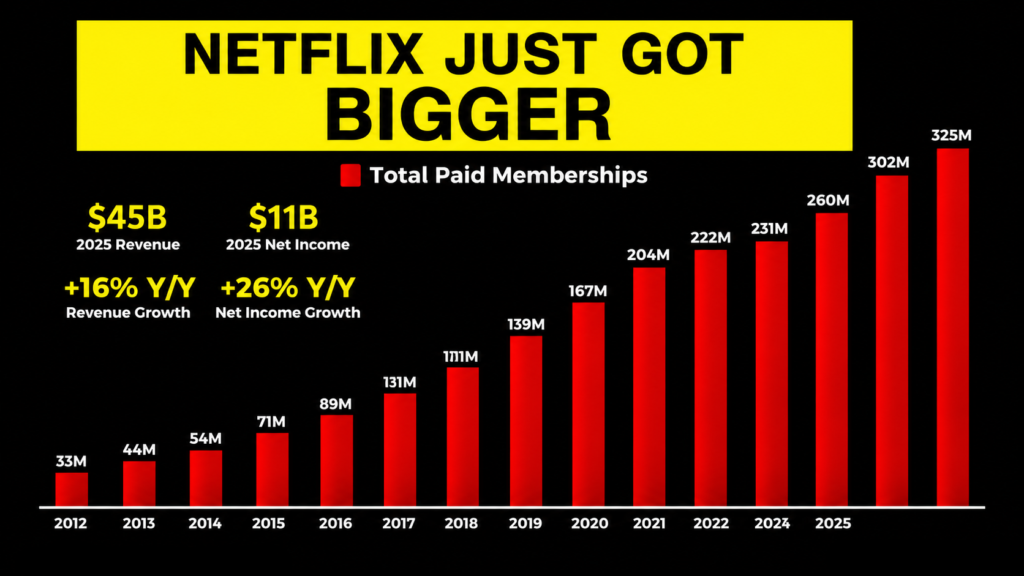
None of this is happening in isolation. Netflix’s revenue and operating income have been on the rise, allowing the company to take risks on costly, theatrical-style releases that wouldn’t be smart for a struggling studio at this point.
What It Actually Means for Audiences

Shorter theater runs reduce pressure to see hit movies but limit chances to watch big-budget films. This shift is changing the release of prestige films not just on Netflix, but elsewhere too.
About the Author