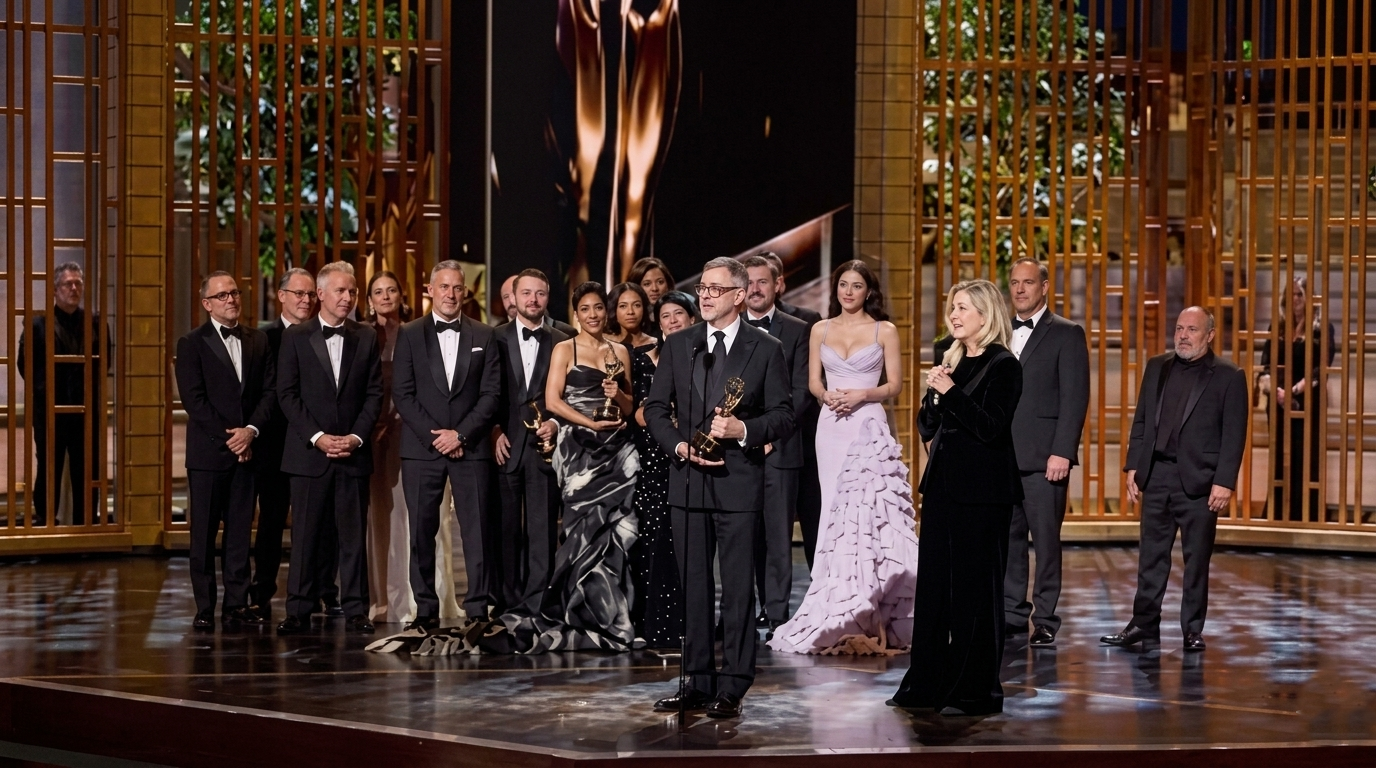
Paul Thomas Anderson’s political thriller “One Battle After Another” dominated the 98th Academy Awards on Sunday, taking home six Oscars, including best picture, best director, and best adapted screenplay. Close behind was Ryan Coogler’s “Sinners” with four wins, including best cinematography and best lead actor. Both films were Warner Bros. releases, capping a remarkable year for the studio even as it navigates a proposed $111 billion merger with Paramount. The night was politically charged, historically significant, and hosted for a second year by a sharp and surprisingly sincere Conan O’Brien.
Best Picture: “One Battle After Another” wins with a message for the next generation
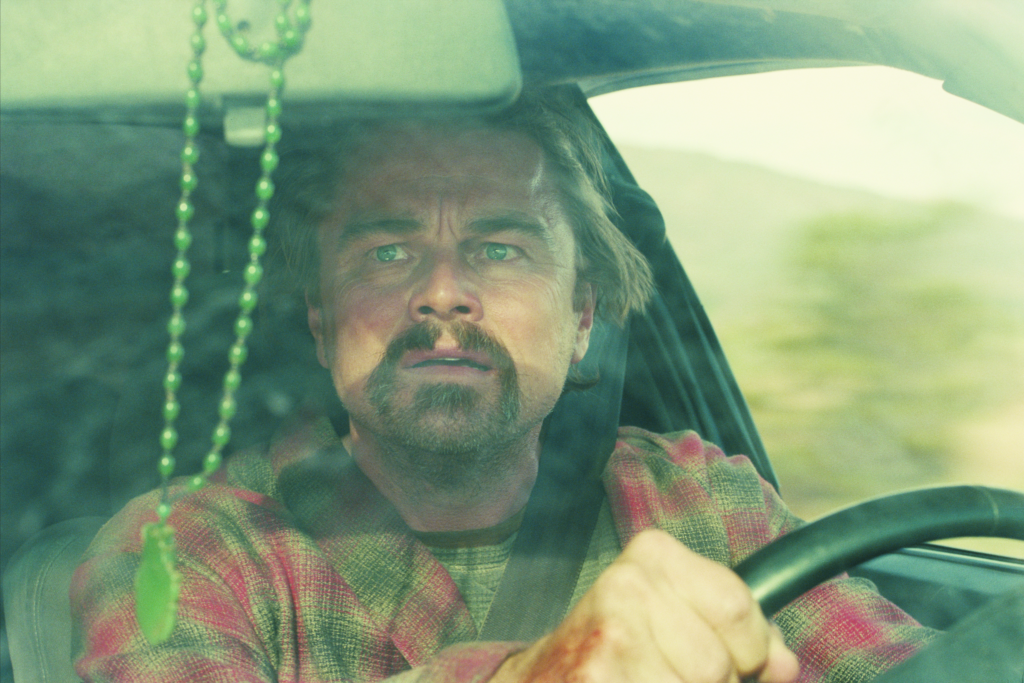
Paul Thomas Anderson’s dystopian thriller set in a police-state America claimed the night’s top prize. Accepting his screenplay award, Anderson said he wrote the film for his children as both an apology for the world being handed to them and an expression of hope that their generation would restore common sense and decency. The film led all nominees with six total wins.
Best Director and Screenplay: Paul Thomas Anderson sweeps both major craft prizes
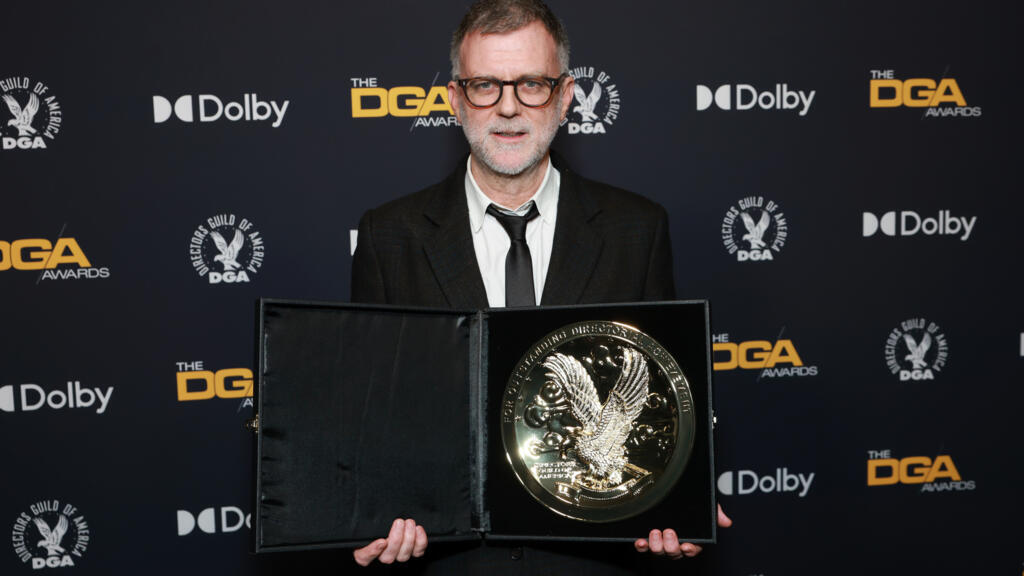
Anderson took best director and best adapted screenplay on the same night, a rare double that underscored the film’s total dominance of the ceremony. He beat out Ryan Coogler, Chloé Zhao, Josh Safdie, and Joachim Trier for the directing prize, with the Academy rewarding both his ambition and the political urgency of his vision across the two awards.
Best Actor: Michael B. Jordan wins for “Sinners” with an emotional tribute to Coogler
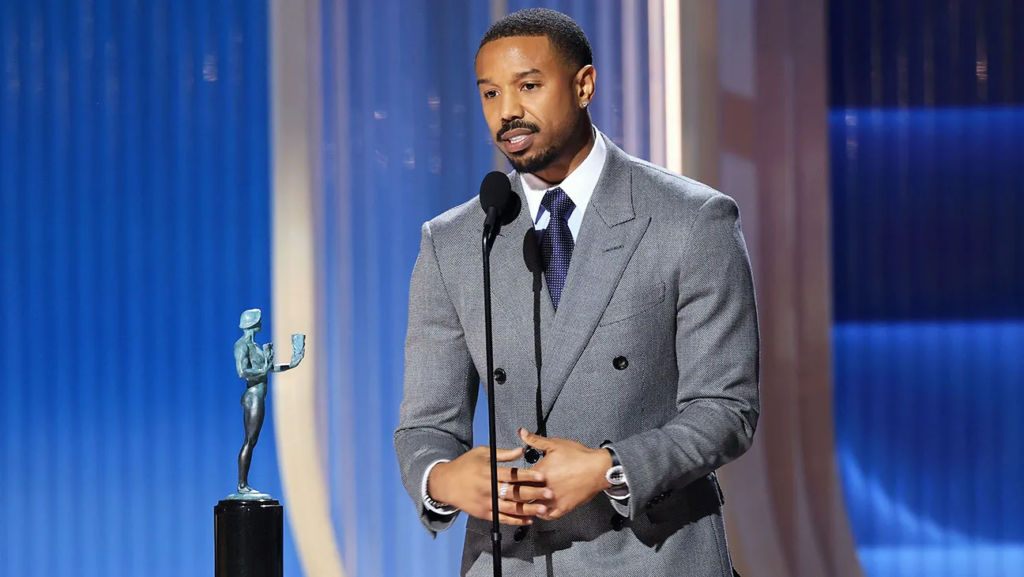
Jordan won best lead actor for his dual performance as the twin owners of a Delta juke joint in “Sinners,” beating Leonardo DiCaprio, Timothée Chalamet, Ethan Hawke, and Wagner Moura. Visibly moved, Jordan thanked director Ryan Coogler, with whom he has now made five features, saying Coogler gave him the space to truly be seen as a performer.
Best Actress: Jessie Buckley wins for “Hamnet” on Mother’s Day in the UK
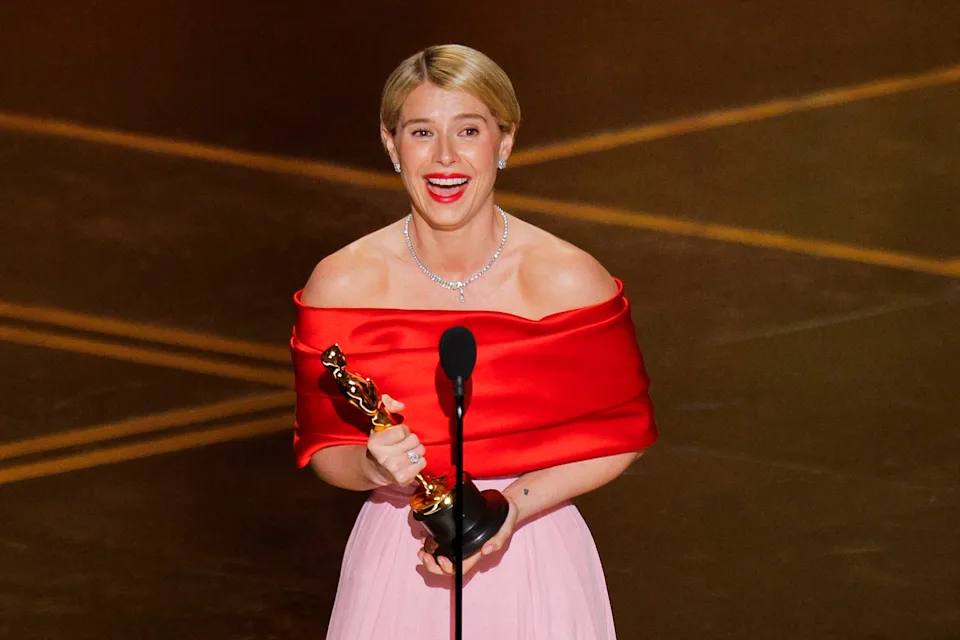
Buckley won best lead actress for her portrayal of a woman coping with the death of her young son in “Hamnet.” Accepting the award, she noted the win coincided with Mother’s Day in the United Kingdom and dedicated it to the lineage of women who continue to create against all odds. She beat Emma Stone, Renate Reinsve, Rose Byrne, and Kate Hudson.
Best Supporting Actor: Sean Penn wins a historic third Oscar without showing up
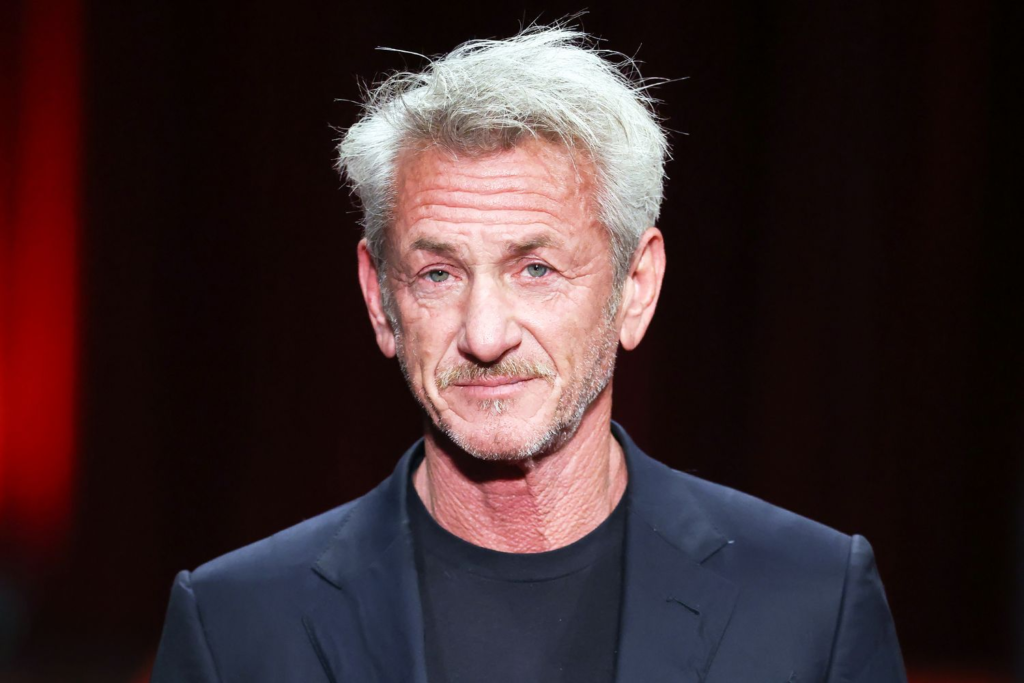
Sean Penn won best supporting actor for “One Battle After Another,” becoming only the fourth male performer to win three acting Oscars, joining Daniel Day-Lewis, Jack Nicholson, and Walter Brennan. Penn did not attend the ceremony. Presenter Kieran Culkin quipped that Penn “couldn’t be here this evening or didn’t want to,” a dry nod to the actor’s well-documented aversion to awards shows.
Best Supporting Actress: Amy Madigan wins 40 years after her last nomination
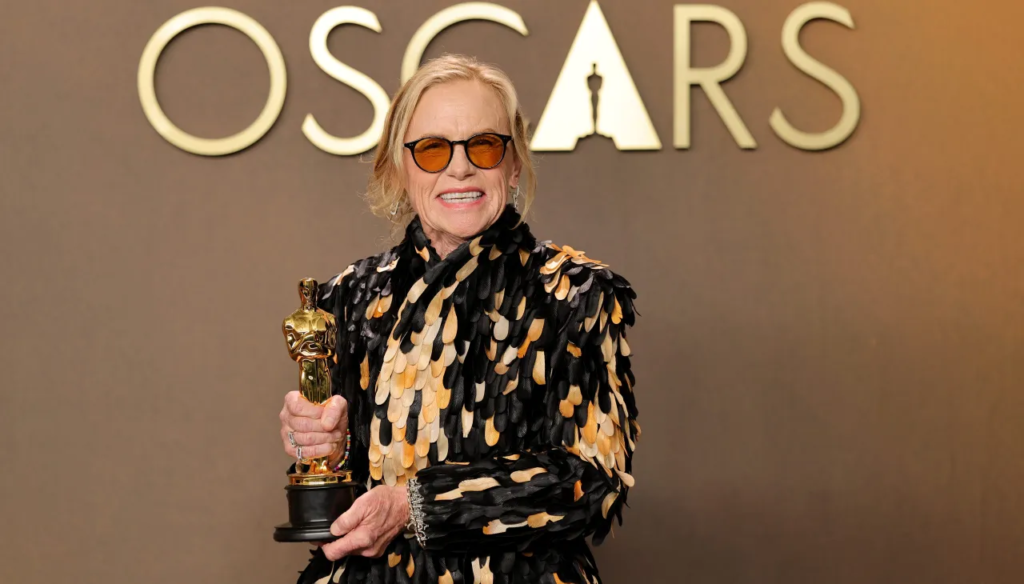
Amy Madigan won best supporting actress for “Weapons,” playing a scene-stealing witch with some of the most striking makeup of the year. Her previous nomination came in 1985 for “Twice in a Lifetime,” making her gap between nominations one of the longest in Oscar history. Holding her statue, Madigan said simply that what was different this time was the little gold figure in her hand.
Historic first: Autumn Durald Arkapaw becomes the first woman to win best cinematography
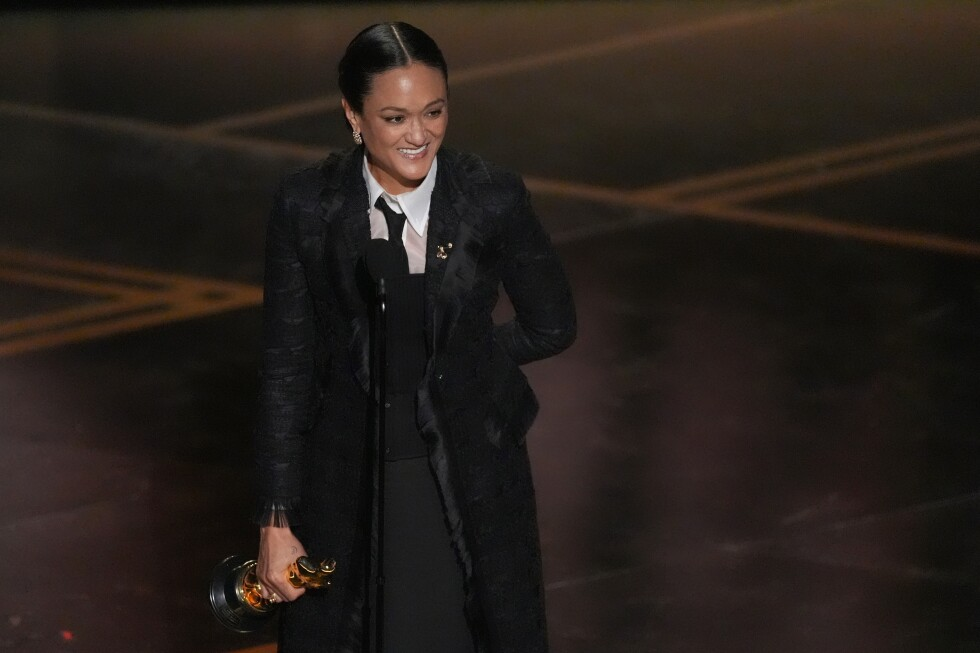
Autumn Durald Arkapaw made Academy Awards history by winning best cinematography for “Sinners,” becoming the first woman ever to claim the prize. Her win was one of several milestones on the night, which also included the inaugural Oscar for best casting going to Cassandra Kulukundis for “One Battle After Another” and a rare tie in the best live action short category.
Best Animated Feature: “KPop Demon Hunters” wins in a milestone moment for representation
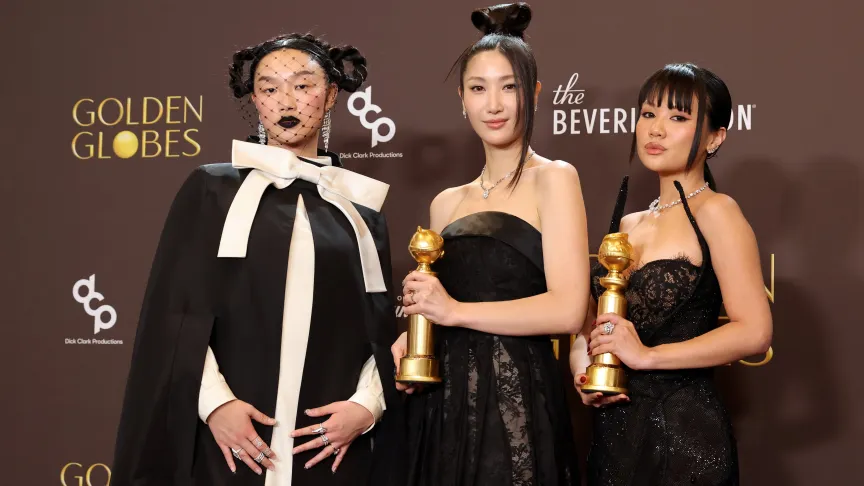
Netflix’s most-watched film of all time took best animated feature and best original song for its anthem “Golden.” Co-director Maggie Kang fought back tears while accepting, calling the win a meaningful moment for Korean and Korean-American representation. She said future generations would no longer have to go longing to see themselves in a film like this one.
Best Documentary: “Mr. Nobody Against Putin” delivers a pointed warning to the audience
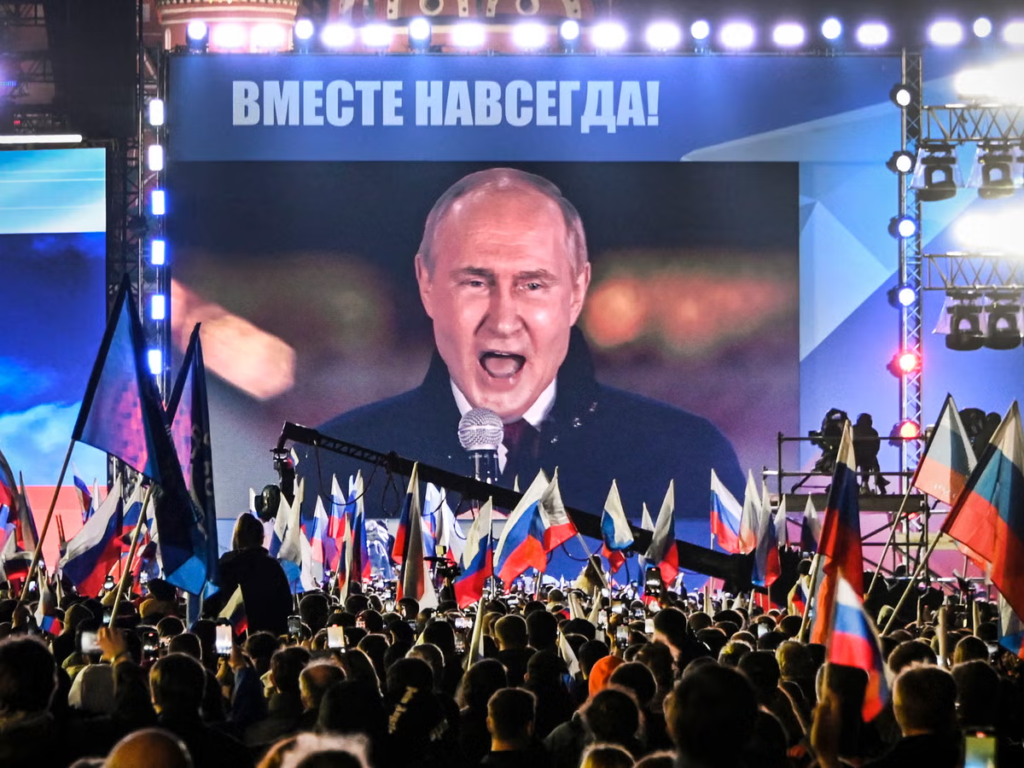
The documentary exploring Vladimir Putin’s crackdown on free expression during the Russo-Ukrainian war took best documentary feature. Co-director David Borenstein used his acceptance speech to warn about the mechanics of losing a country, describing how it happens through countless small acts of complicity, remarks that were widely understood as a direct message to an American audience.
Host: Conan O’Brien returns with sharp jokes and a rare moment of genuine sincerity
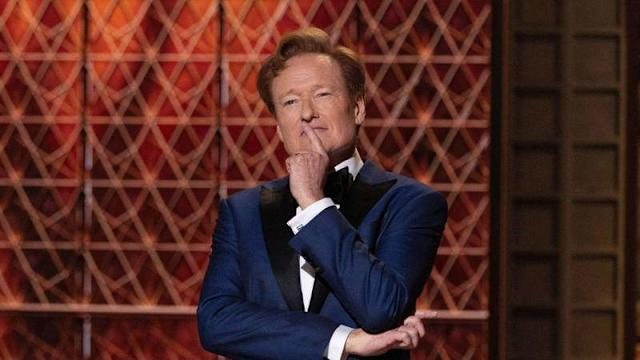
O’Brien hosted for the second consecutive year, opening with a video parody set across nominated films and delivering monologue jokes targeting Timothée Chalamet, Netflix, and the Trump administration. He also struck a serious note, framing the Oscars as a celebration of global artistry and collaboration at a moment of widespread fear, calling the ceremony’s optimism one of its most valuable qualities.
About the Author