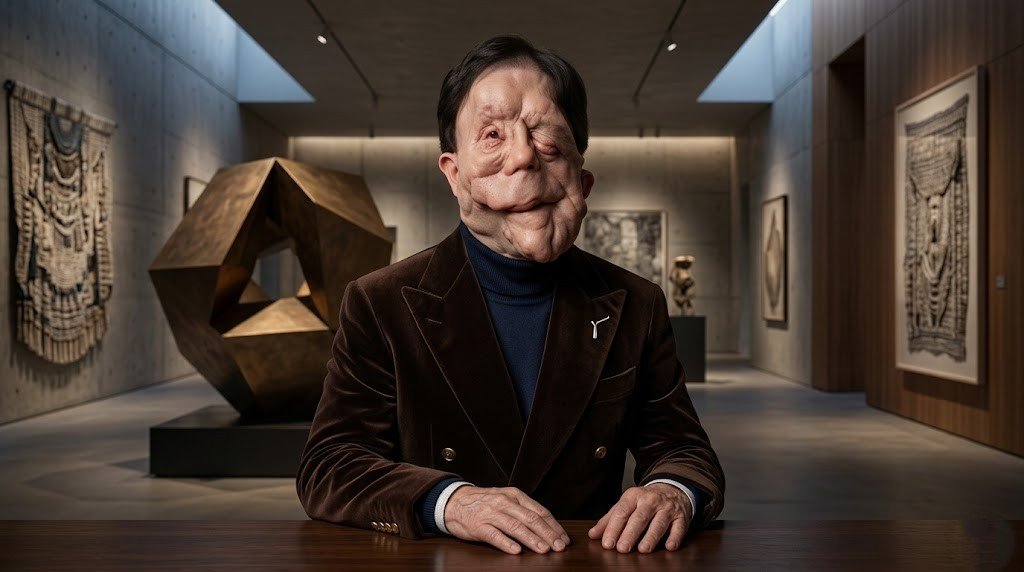
The discourse on comedy and boundaries seems to be changing again, and Adam Pearson has come out with something very personal yet most of us can relate to. Apart from being known for his support and being a public figure, Pearson has lately reacted to a comedian’s statement, which to a great number of people, may be inappropriate or at least worth questioning. Not only is his answer calm and rational, but it is also genuine, sincere, and based on his own real experience. It leads us to a major discussion about the role of humor in society, the importance of respecting each other, and when the line should be drawn.
A moment that sparked a conversation

A joke that in fact was made only once may be the reason for all this. Sometimes such situations become a kind of a mirror, showing what people think about humor and where they can get confused with the limits. Finding Out More About Adam Pearson
Who Adam Pearson is beyond headlines

Adam Pearson is also a media figure and an advocate. By his very appearance in public, he is indicating constant work towards changing the people’s perception of disability and identity.
The comedian’s remarks under scrutiny

The joke that sparked the controversy has caused quite different reactions to it. Some probably think it is a part of the usual stand-up comedy; others, however, may find it a little bit callous, especially if it is about someone’s very personal things.
Comedy and its ever-changing boundaries

It is no news that comedy changes together with society. Things that were OK in the past may not be good now, and this incident is a live example where the public is changing the norms about the parts of comedy that are appropriate or respectful.
The role of intent versus impact
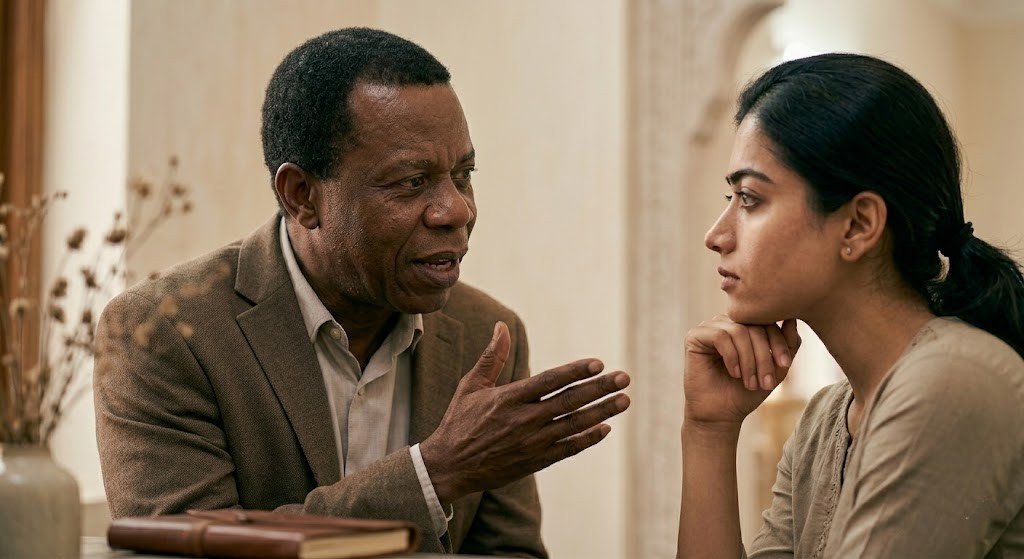
In fact, that is a natural part of those debates to separate intention from perception. A joke may not be intended to hurt, yet its consequences on individuals or groups can remain quite significant.
Public reactions and social media buzz

Digital channels have been used to spread the word about this event. If nothing else, they show how people can have such different tastes in humor, accountability, and the public figure’s roles.
Disability and media narratives today
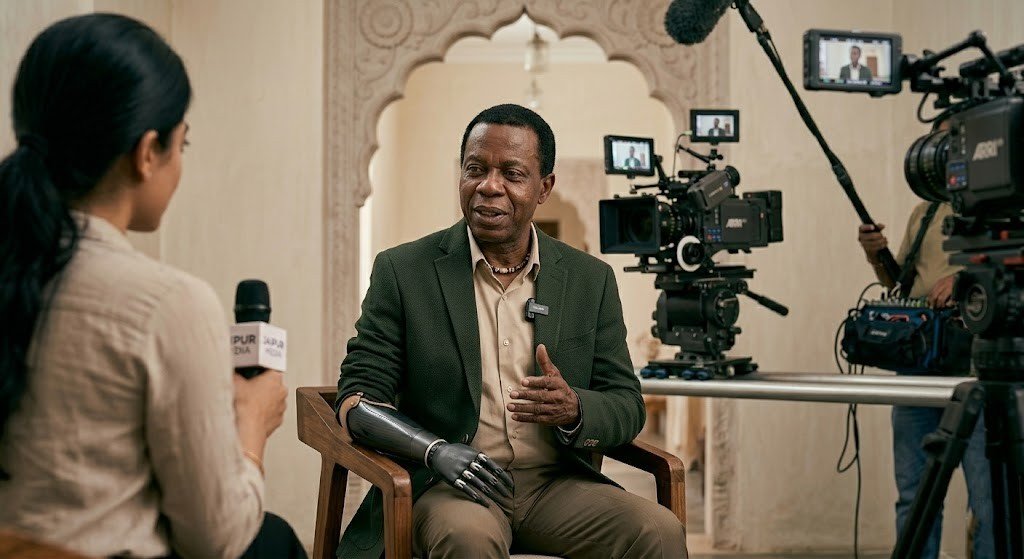
People’s attitudes toward disabled character portrayal in media have changed quite a lot. Many discussions are inclined to favor more legitimate portrayals and less stereotyped, laugh-out-loud characterizations.
A personal response that feels grounded

Instead of using the confrontational method, Pearson seems to be issuing her statement in a calm and reflective way. This method might be the one that people who value mature discussions rather than shouting matches will find.
How conversations like this shape culture
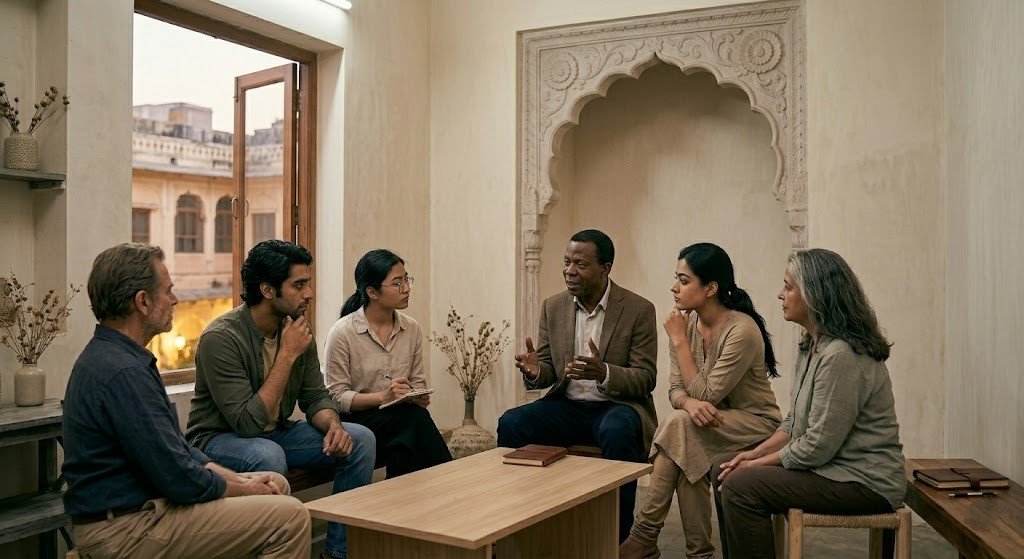
These instances rarely appear by themselves. Usually, they help to shape the culture as a whole, guiding people’s discussions about respect, inclusion, and the changing nature of entertainment.
About the Author