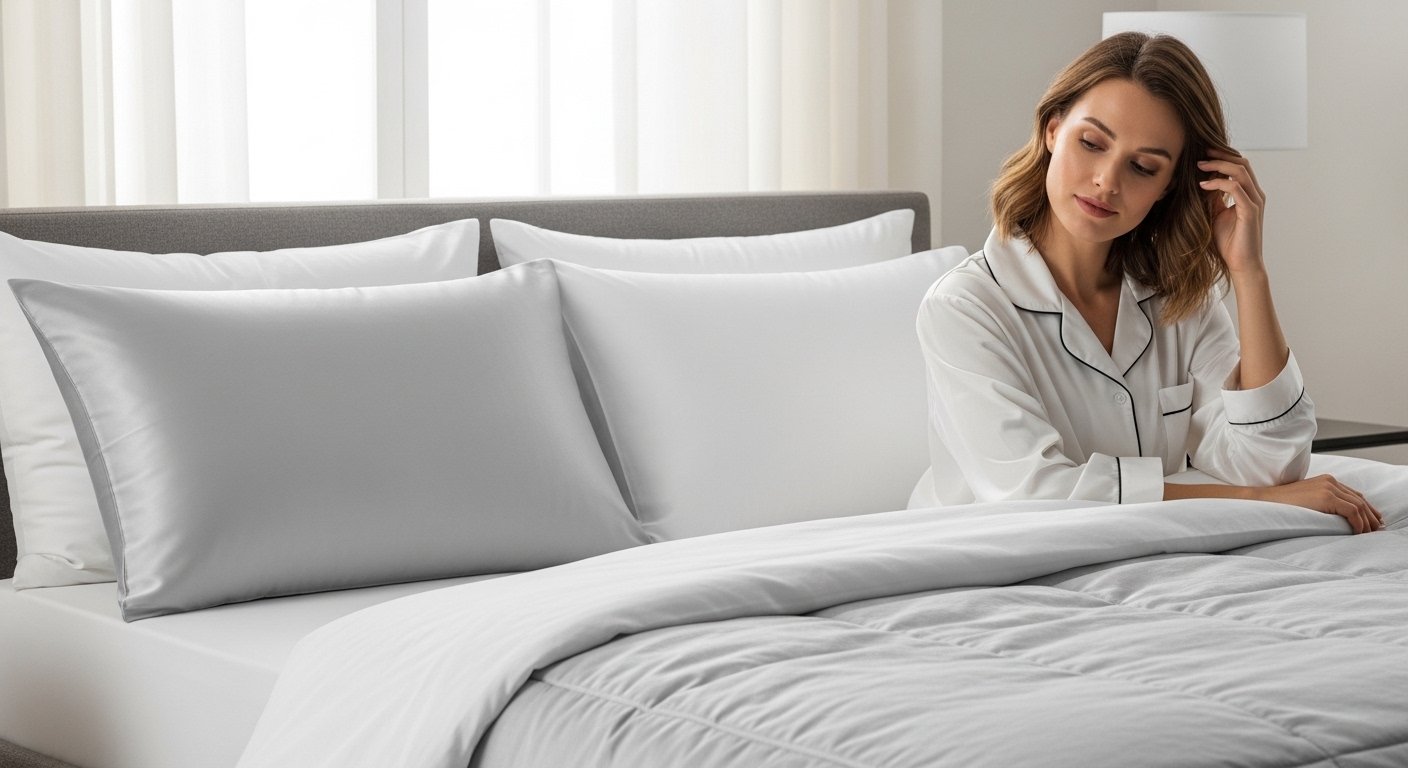
Waking up with frizzy hair can be a mini mystery of its own. At times, it appears that regardless of how much care one puts into hair styling at night, one wakes up in the morning with messy hair. This experience may be influenced by the kind of pillowcase used silently. Although it might not be the sole one, the piece of fabric that lies against hair for many hours might affect the behavior of the strands at night. Two of the popular options include silk and cotton, with their own feel and reputation. Taking a bit of a closer glance at their contact with hair may prove to be a beneficial move in making an informed and more comfortable decision.
Understanding hair breakage and nighttime friction
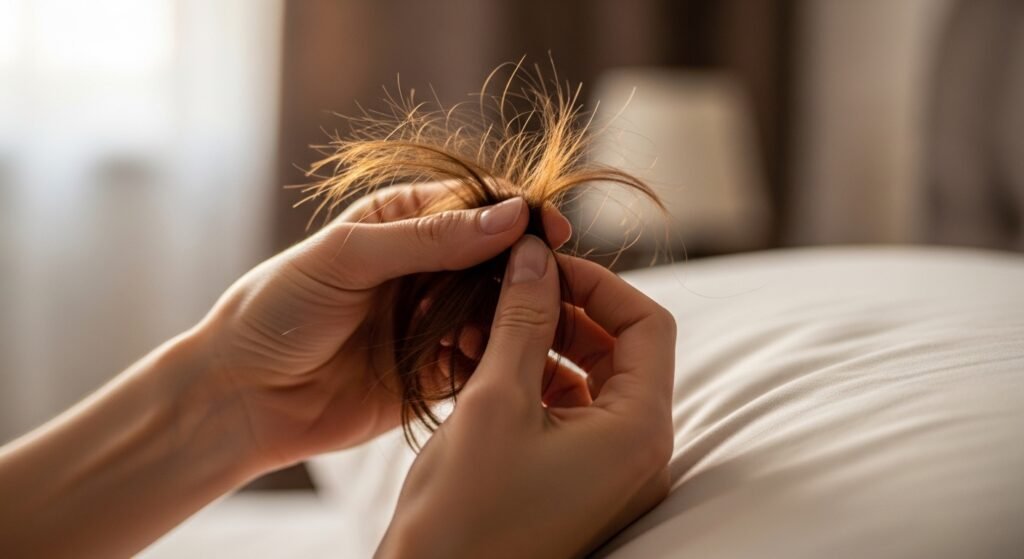
This breakage of hair usually appears after some time and even without an apparent reason. One of the factors may be friction during sleep, as on each turn the strands rub against the pillow surface. Eventual outcomes would be weakened hair, depending on its texture and care habits.
Why pillowcase material might matter
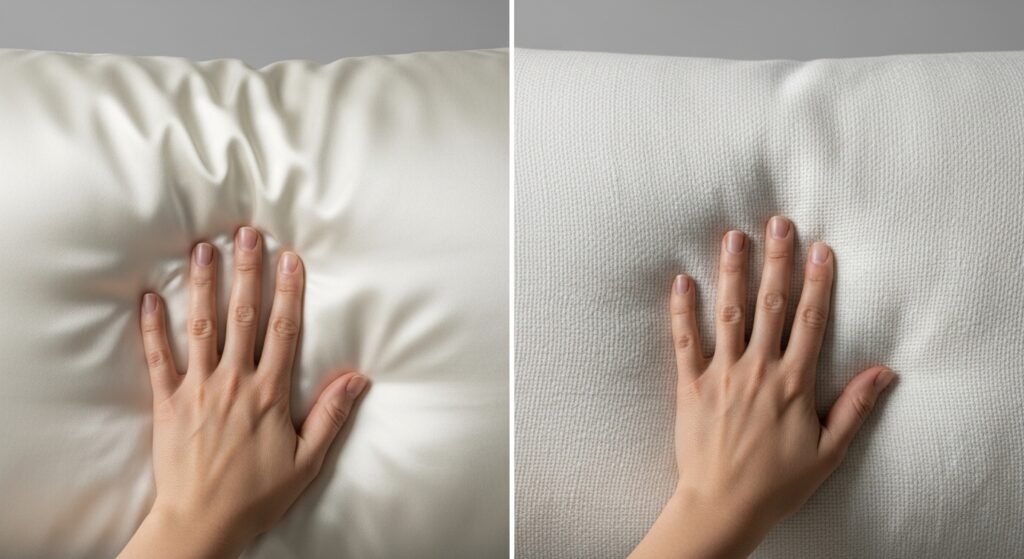
The substances that contact the hair for several hours at night could have indirect effects. There are fabrics that are smoother and others that are more resistant. This variation may affect the ease with which hair slides on the surface or gets stuck and pulled during sleep.
The texture of cotton and its everyday appeal
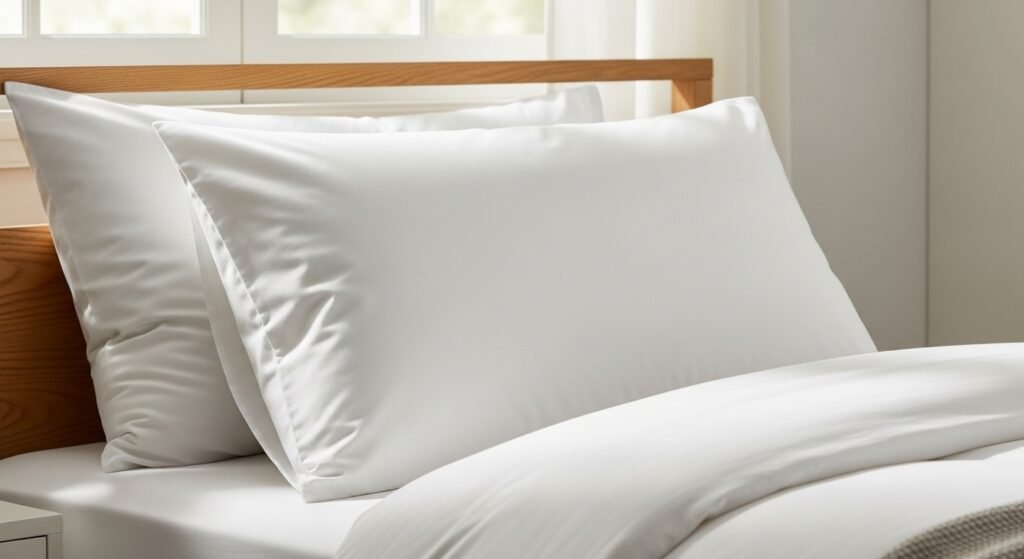
Cotton pillowcases are much more popular due to their breathable and familiar texture. They can be comforting and long-lasting and therefore are an ago choice. But their slightly coarse texture could be a factor that would cause a little less friction than smoother materials.
How silk feels against hair
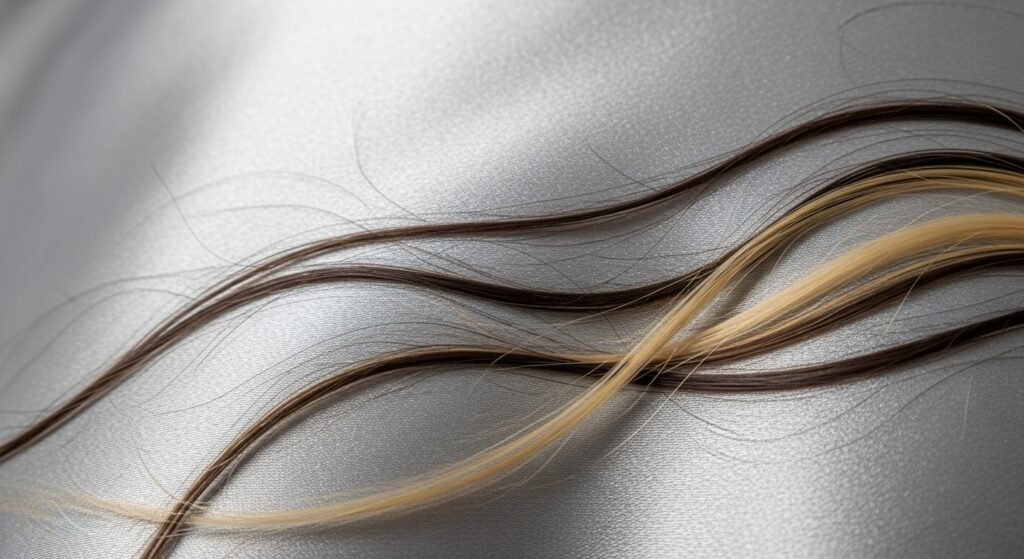
Silk is characterized by its smooth and slick nature. Strands can also move freely rather than catching when hair is resting over them. This smoothness may minimize the pulling feeling that occasionally occurs at night.
Hair types and their unique needs
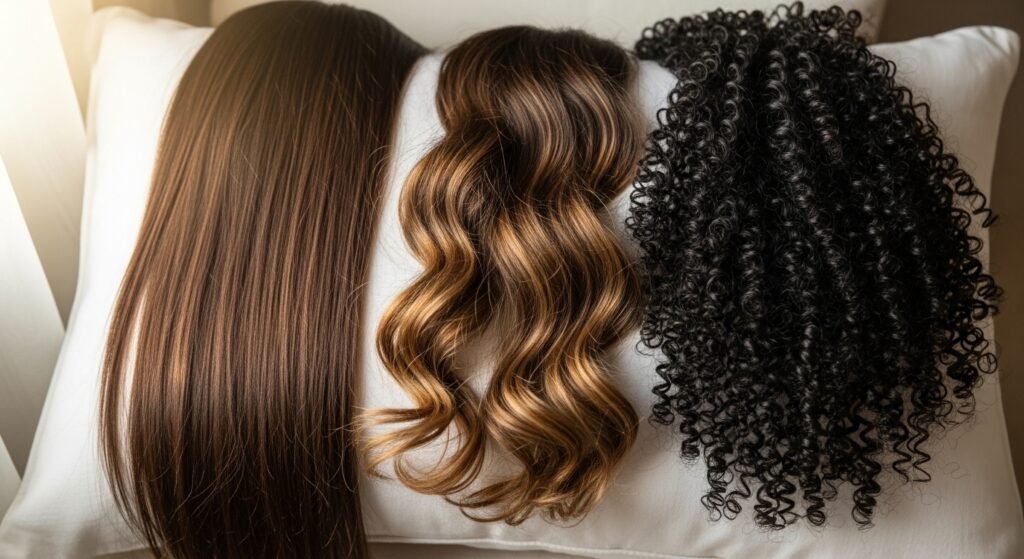
The fabrics can have different reactions with different hair types. Friction may have a greater effect on curly, fine, or chemically treated hair. Other people can perceive changes made using softer materials, whereas others might not notice any changes at all.
The role of sleep movement
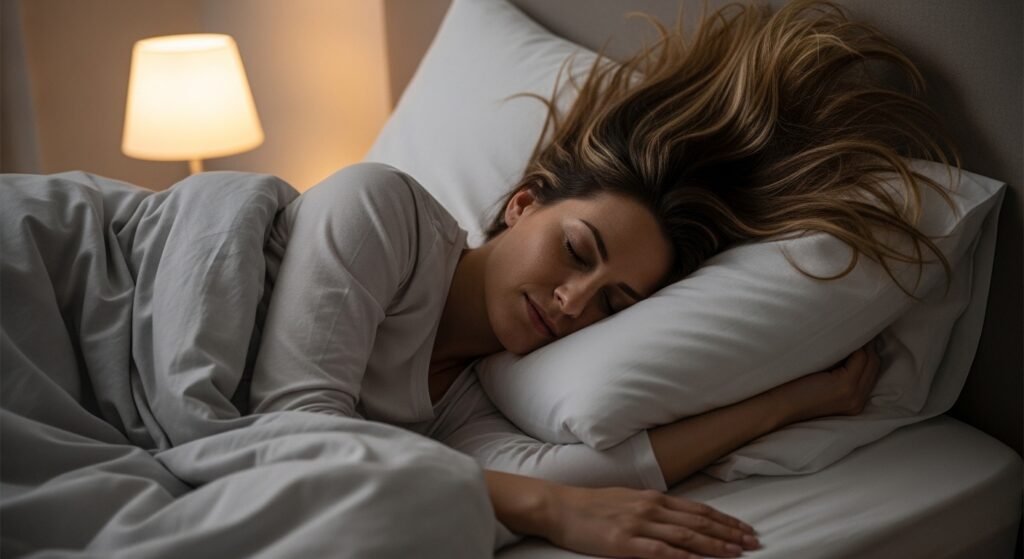
Individuals who make high movement while sleeping can be exposed to increased friction. In these situations, a more slippery pillowcase could be useful in decreasing resistance. Nonetheless, the sleeping patterns are quite diverse, and the experience is very personal.
Comfort and temperature considerations
Cotton is commonly cool and breathable, a fact that is valued by most individuals. Silk may be light and airy as well, but in a slightly different form. The comfort level can also be a factor that affects the choice as much as hair issues.
Durability and everyday use
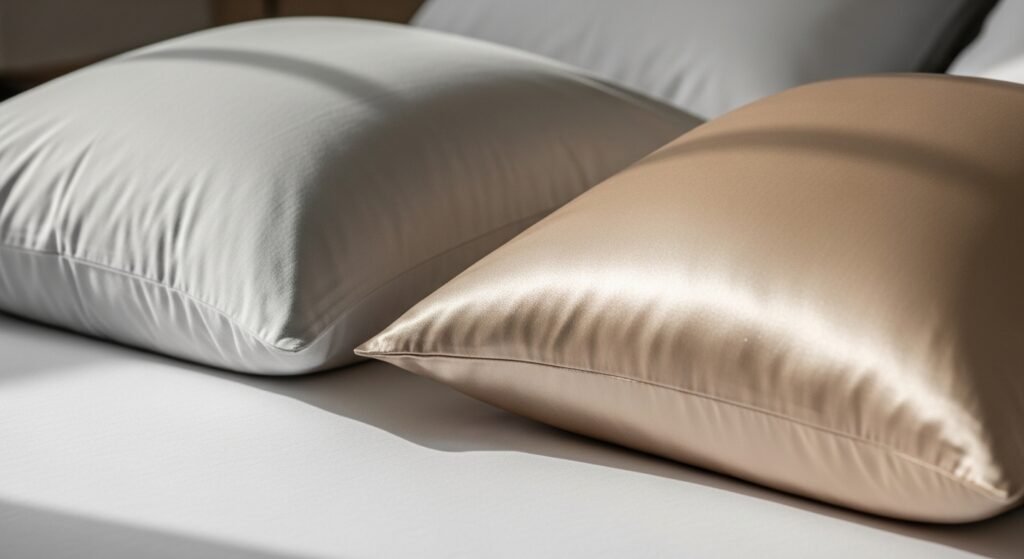
Pillowcases made of cotton are usually light to maintain, and they tend to last longer. Silk might have to be handled a bit more carefully. This distinction may be involved in making the choice of which one works best in everyday activities.
Cost and accessibility factors
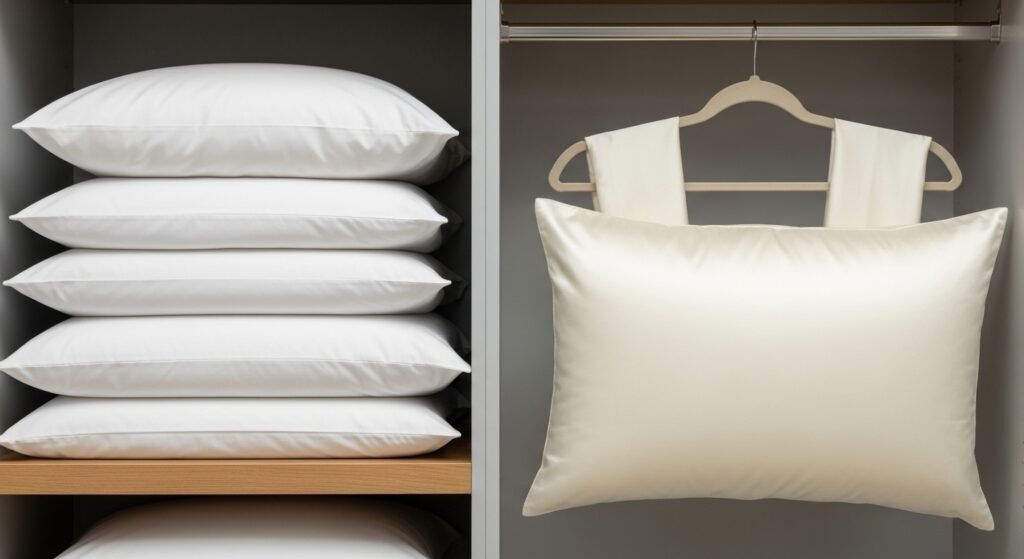
Cotton is normally cheaper and readily available. Silk is at times even more of an investment. To others, the experience of trying silk could be reminiscent of a slight upgrade, whereas others will be satisfied with sticking to the usual ones.
Do pillowcases alone solve hair breakage?

There are several factors that usually determine hair breakage, such as the styling habits and total care. Pillowcases may have a role, but they will not be the sole cause. Cumulative changes can have a stronger impact on a smaller scale.
Trying what works for your routine
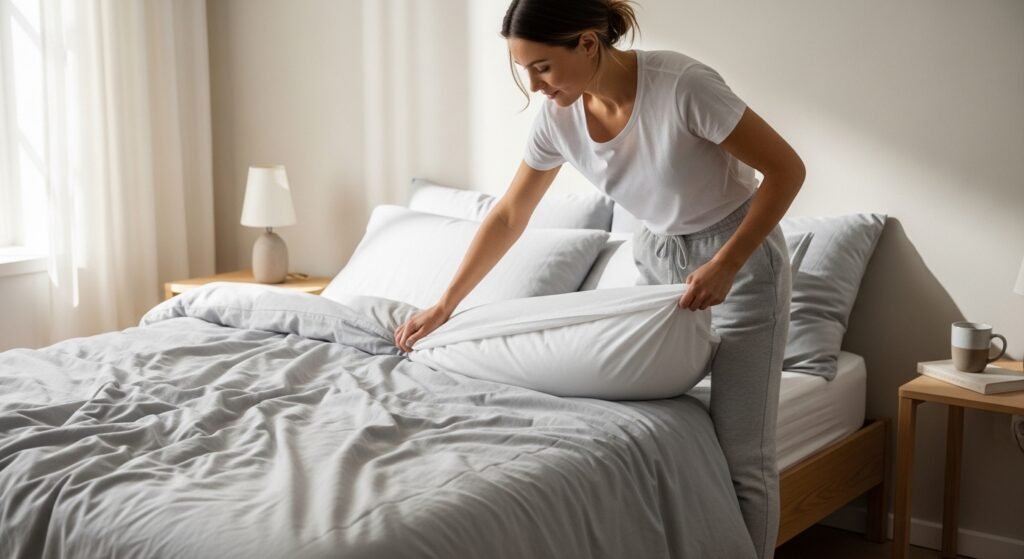
The only way to know the difference is sometimes to try both. It may be of interest to see how hair feels with time. What may suit one individual would not suit the other.
About the Author