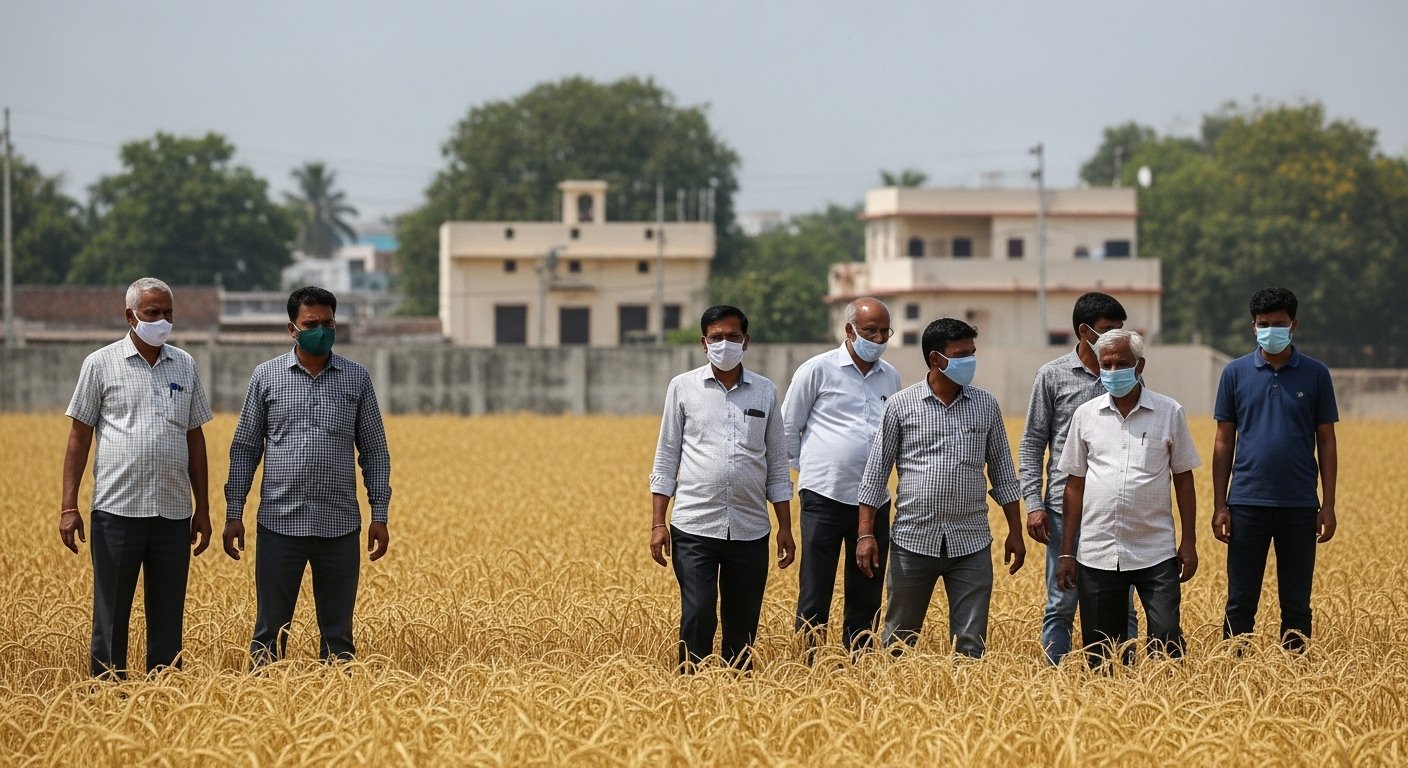
Summer in India usually means long sunny days, fans in action and the constant search for shade. However, this year, there are more serious talks about the weather. The India Meteorological Department has lately revealed some aspects that have made the public worry that the 2026 heatwave season could be severe enough to even surpass the expectations of the majority of people. Although predictions are not certain, the early warning signs have brought curiosity and apprehension in various areas. To most families, farmers, and urban laborers, the thought of a significantly hot summer will inevitably cause concerns.
What the IMD’s early warning really means
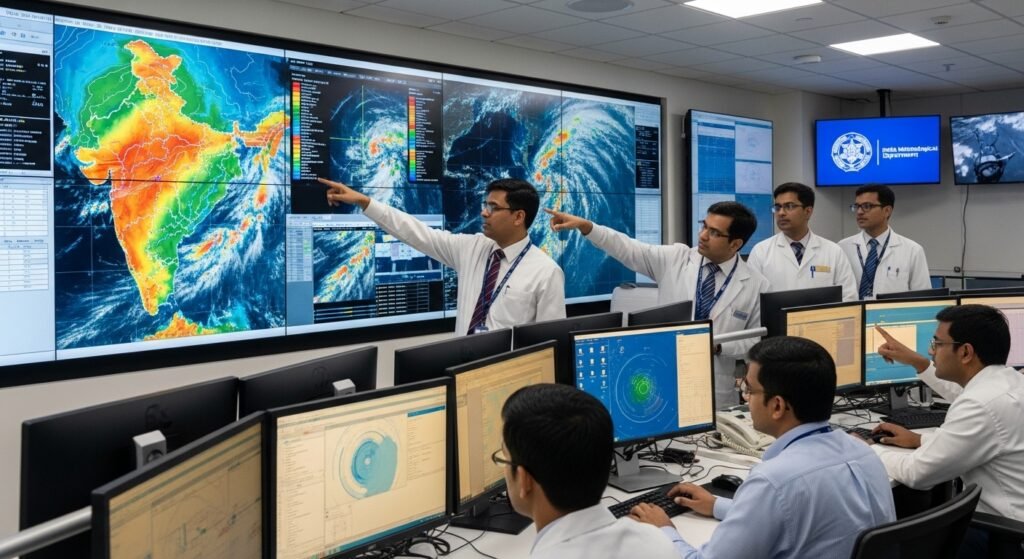
When the India Meteorological Department issues an early warning, it is often indicative of the tendencies in climate models along with historical weather patterns. These alerts do not verify results but might indicate that government and society ought to remain vigilant as the season progresses.
Understanding heatwaves
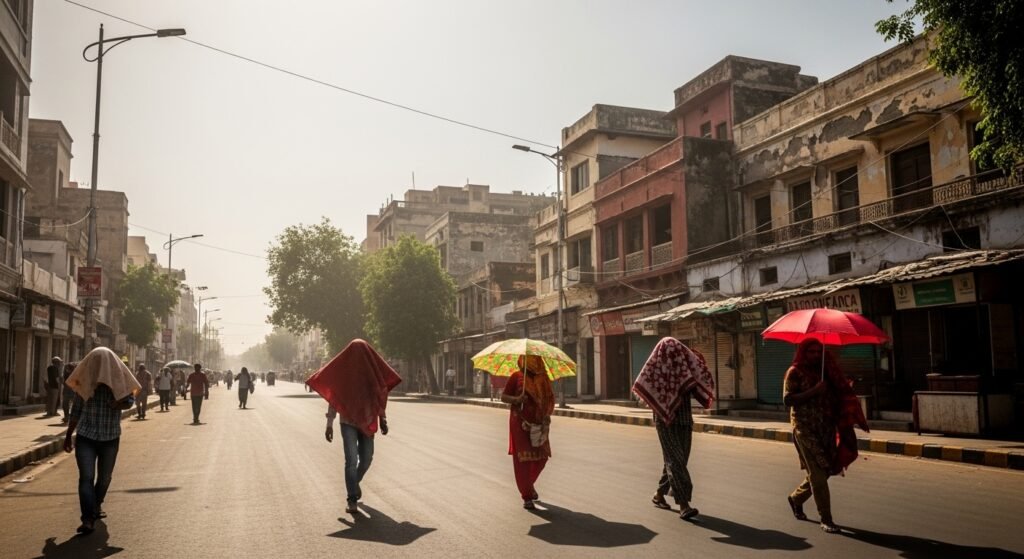
A heatwave in India is generally declared when temperatures in an area go above the normal temperature. Such conditions can take a number of days and, in some cases, cover huge territories, and therefore preparation and being aware are considered key preparations in control of the season.
Possible role of changing climate patterns

The question of whether more general climate changes can have an impact on the severity of seasonal heat is something that is frequently investigated by some researchers. Although the conclusions may be different, long-term temperature patterns sometimes seem to be correlated with severe or more frequent heat waves in various regions of the world.
Regions that might feel the heat more

In some cases, intense heat of summer is experienced by the northern plains, central India, and some areas in the northwest earlier than others. In case what is being projected is even slightly accurate, then these regions might experience an extension of hot weather in the hottest summer seasons.
Everyday life during strong heatwaves
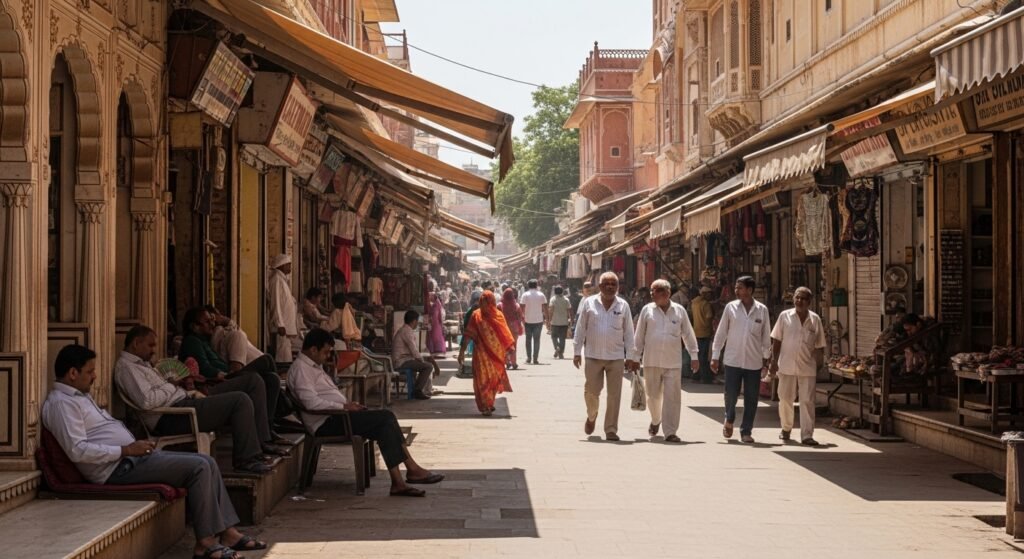
Daily activities tend to change automatically when the temperatures become higher than anticipated. Individuals can work less in the afternoon states of coolness and seek more ways to work around schedules when they can do so to keep comfortable and safe.
Why early warnings still matter
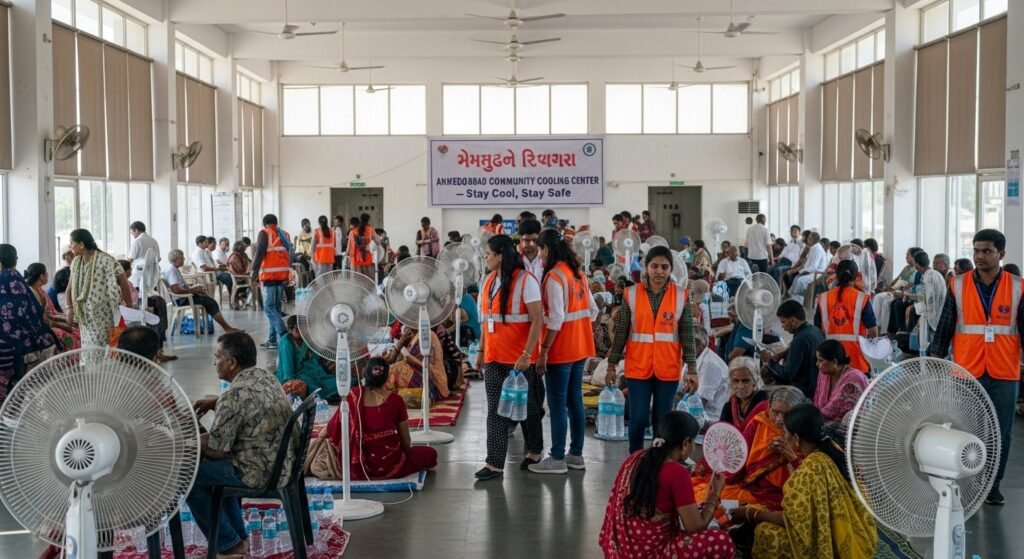
In cases of uncertainty, forecasts can assist governments, healthcare, and local communities to think about the future, even when the forecast is unpredictable. When it comes to planning cooling centers, access to water, and awareness campaigns among people, it can be simpler when it is prepared sooner.
Role of seasonal weather cycles
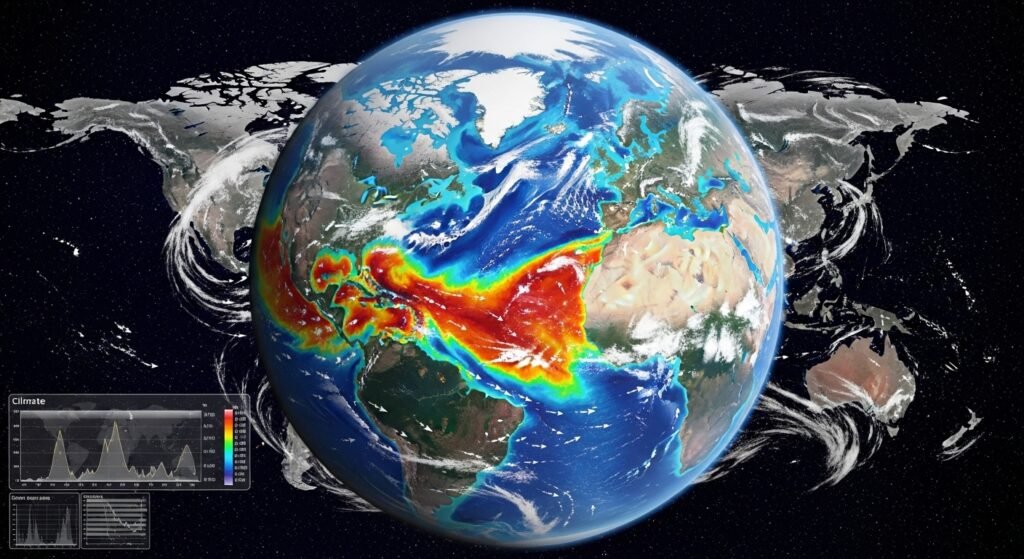
The weather patterns of nature occasionally determine how hot a summer will be. Complex interactions between phenomena, e.g., ocean temperature changes or atmospheric patterns, may occur sometimes, determining the way heat accumulates in various areas.
Household preparation for intense summers
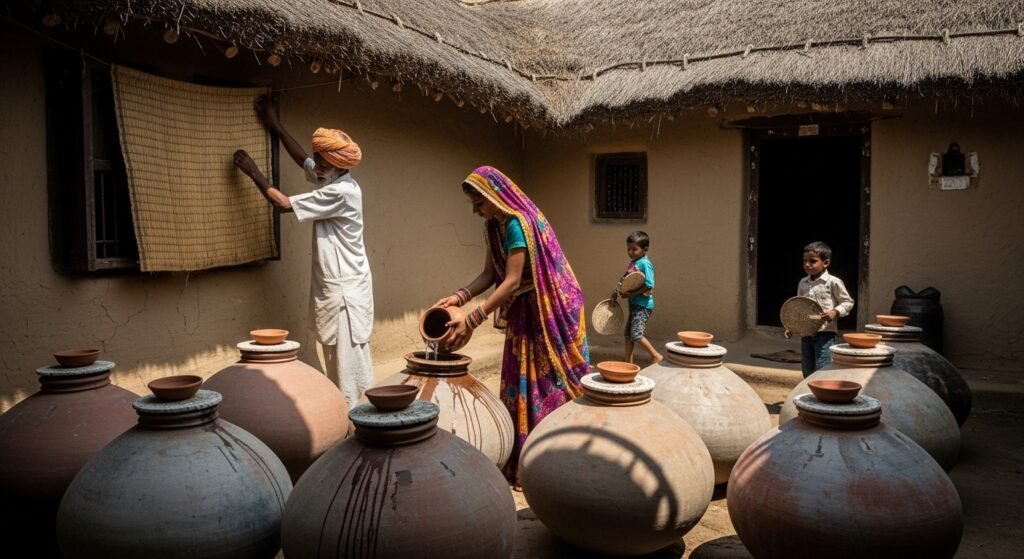
Numerous families already possess their basic methods of dealing with hot weather. Storing additional water, shaded spaces, light meals, and properly ventilated houses usually form part of the daily routine whenever the weather starts rising steadily.
Why forecasts continue to evolve

The models of weather predictions are constantly updated, and new satellite data and atmospheric information are received. Due to this fact, seasonal predictions that are made in early seasons can vary with time, giving a better picture as summer slowly approaches.
About the Author