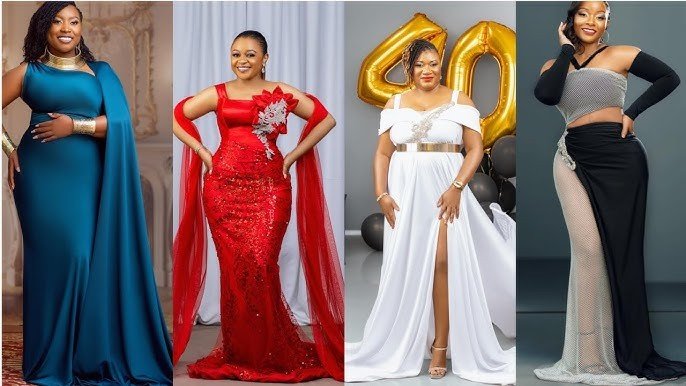
Dressing is commonly perceived as a commonplace operation, but there can be little things that will shape the way an outfit is put together. Most men are concerned with style, yet they still feel that there is something odd about a particular piece, however good it is. This may be due to the fact that an error that is already known will be sliding down without being noticed. It does not concern trends or pricey products, but rather equilibrium, fit, and consciousness. Fashion experts tend to be indirect when they suggest that the best way to improve things is to be able to see the details instead of altering everything. The positive aspect of this is the fact that it may be an easier issue to modify than thought. With a little attention and patience, clothes can begin to feel more purposeful, comfortable, and effortlessly assembled.
Ignoring proportions
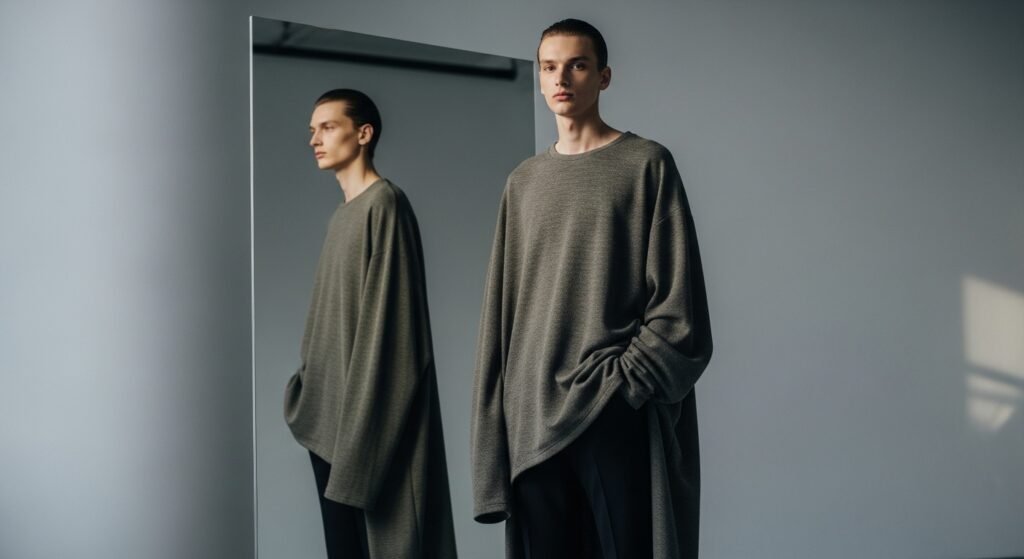
Proportion is a minor factor in the feel of outfits. The difference in length or volume of the pieces worn can put things out. According to some style watchers, the issue of balance counts, but it might only require time to observe the visual interaction between tops and bottoms.
Mixing casual and sharp pieces

The blend of relaxed and structured pieces would work, but it could also seem to be incongruent. A very casual top and a tailored pair of pants may appear to be improvised. Balance may be crucial here, although experimentation may still be involved in the process.
Neglecting shoulder structure
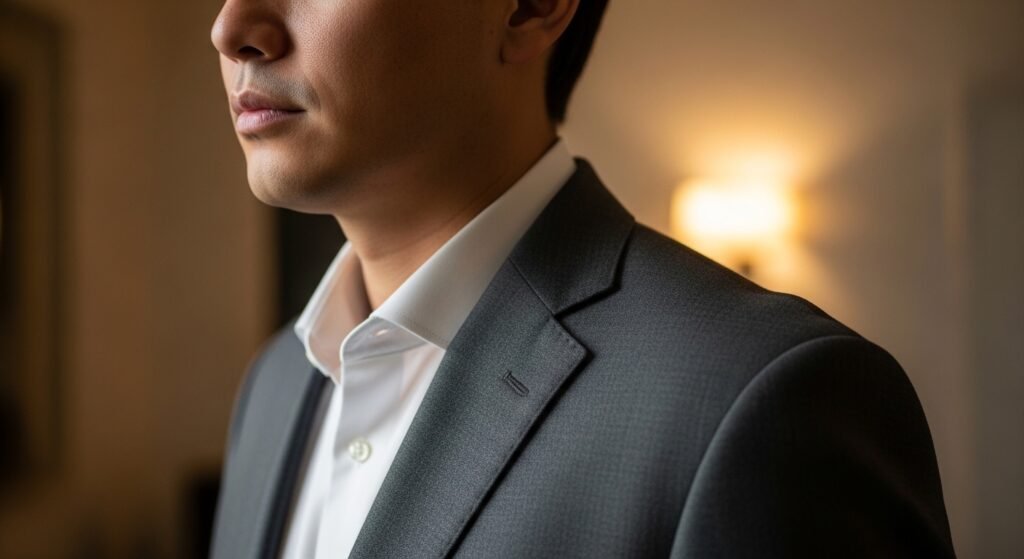
Shoulders determine the way clothes fit the body. As they hang or get pinched, the whole outfit could be awkward. This can be disregarded, but it could be one of the first things other people unconsciously observe.
Defaulting to baggy comfort

Comfort tends to incline people to loose fits. Although convenience is important, too much fabric may conceal the figure. Others say that there can also be ground between comfort and structure, although one may have to try a couple of times to find that middle ground.
Overconfidence in stretch fabrics
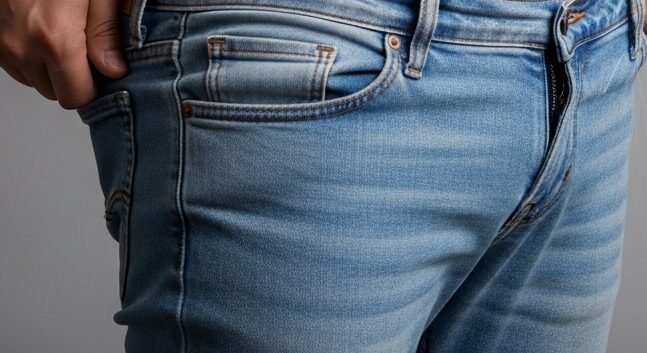
Forgiving stretch materials may not always be presentable. Depending on them too hard may result in clothes that tend to be loose over a period of time. It may assist in blending them with less abstract works.
Forgetting about footwear balance
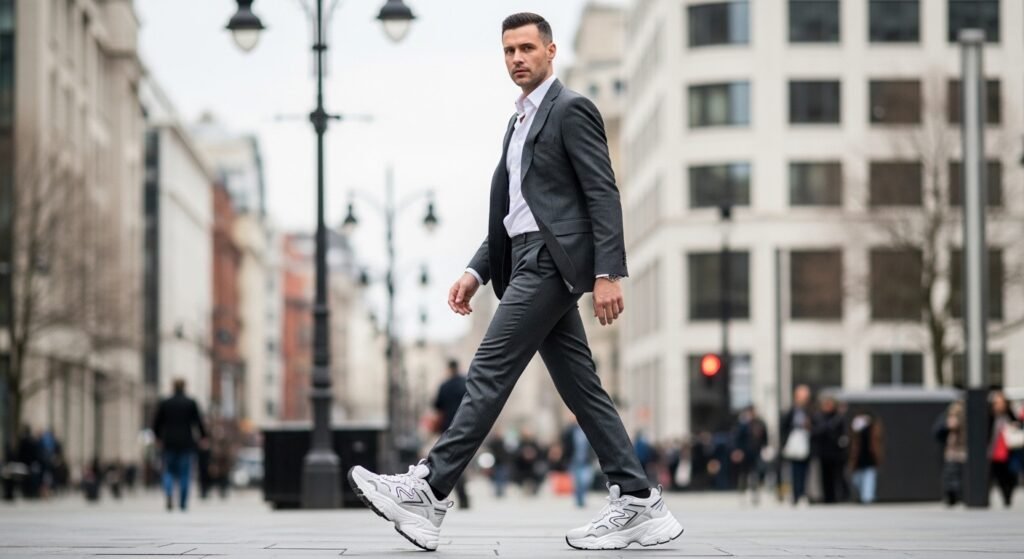
Shoes base an outfit, but their weight and style do count. Large shoes and tight-fitting clothes are uneasy. Listening to the matching of the shoes with the rest may also help be silent in the enhancement of the appearance.
Holding onto outdated fits
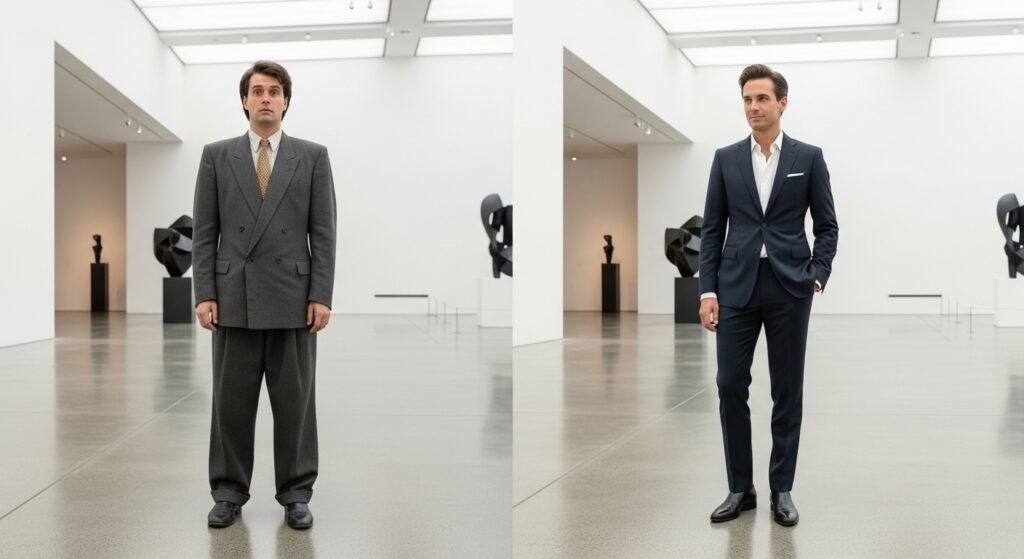
Fits change slowly, but trends change gradually. The outfits could become old-fashioned when one wears the silhouettes of the past. Updating fit does not imply following the trend, although it may imply minor modern changes.
Skipping simple alterations
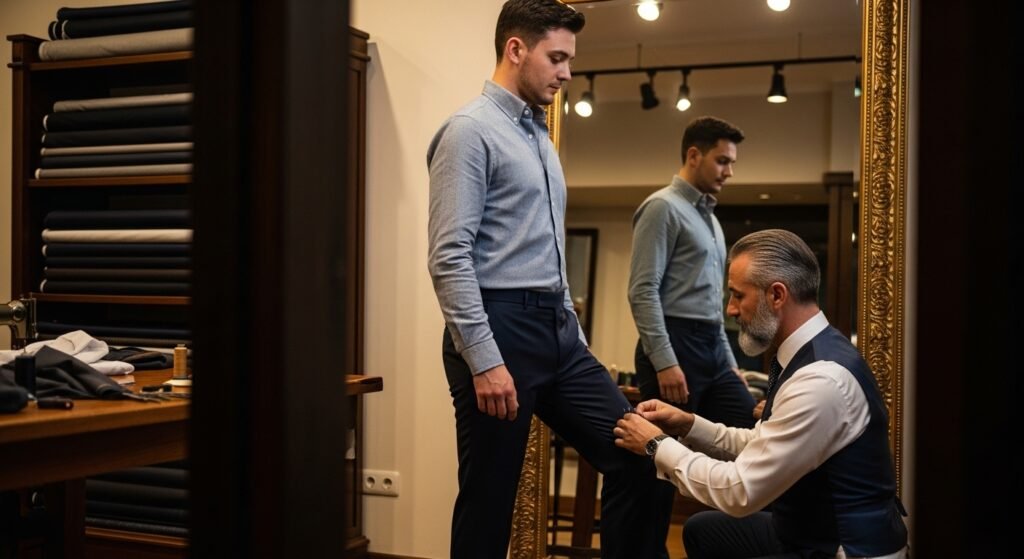
There are numerous clothes that are almost perfect and require minor adjustments. An opportunity not taken is avoiding tailoring. Even when the clothes were already liked, some minor changes could be made to change the feeling of them.
Assuming expensive means better fit
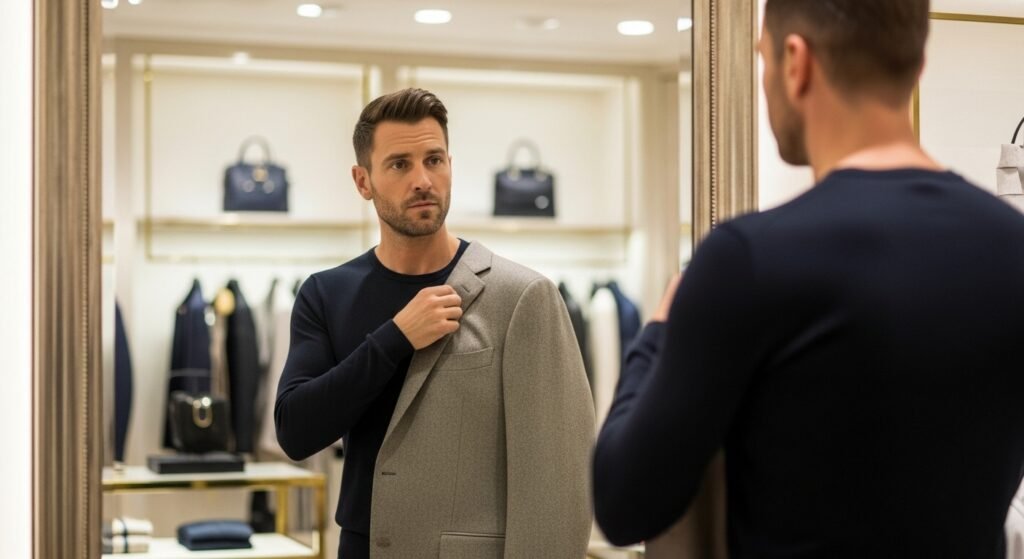
Correct fit does not necessarily mean price. Even high-quality items are awkwardly seated. Some think that how the clothes fit is more important than the label, but the two can be in a harmonious position in a wardrobe.
Not rechecking the mirror

Leaving without a second thought may entrap minor errors. A fast mirror self-examination from other angles may show problems that were not there earlier. The habit may assist in identifying the issues before they become a burden.
About the Author