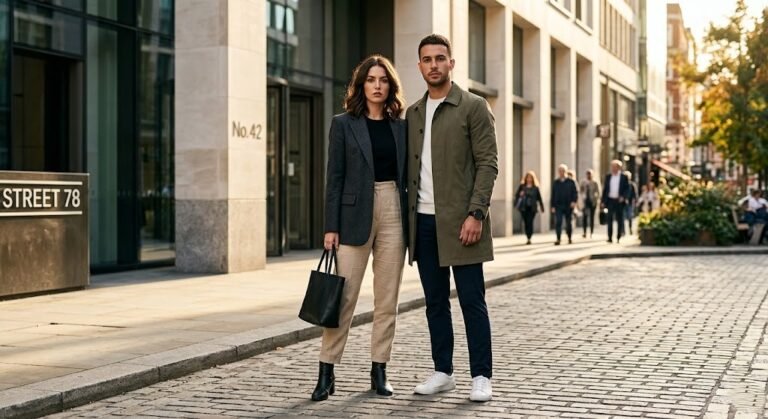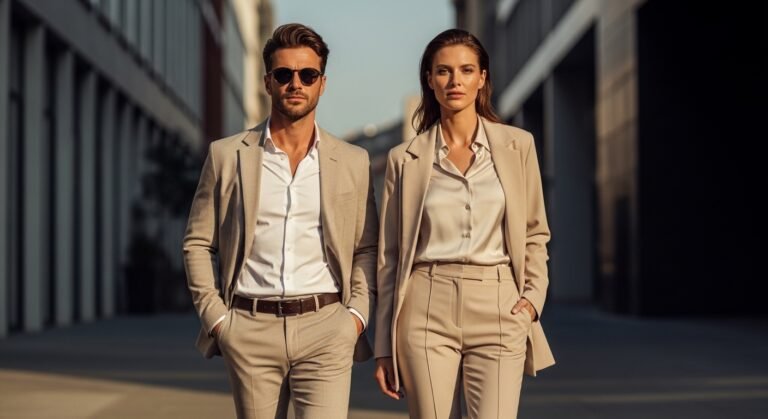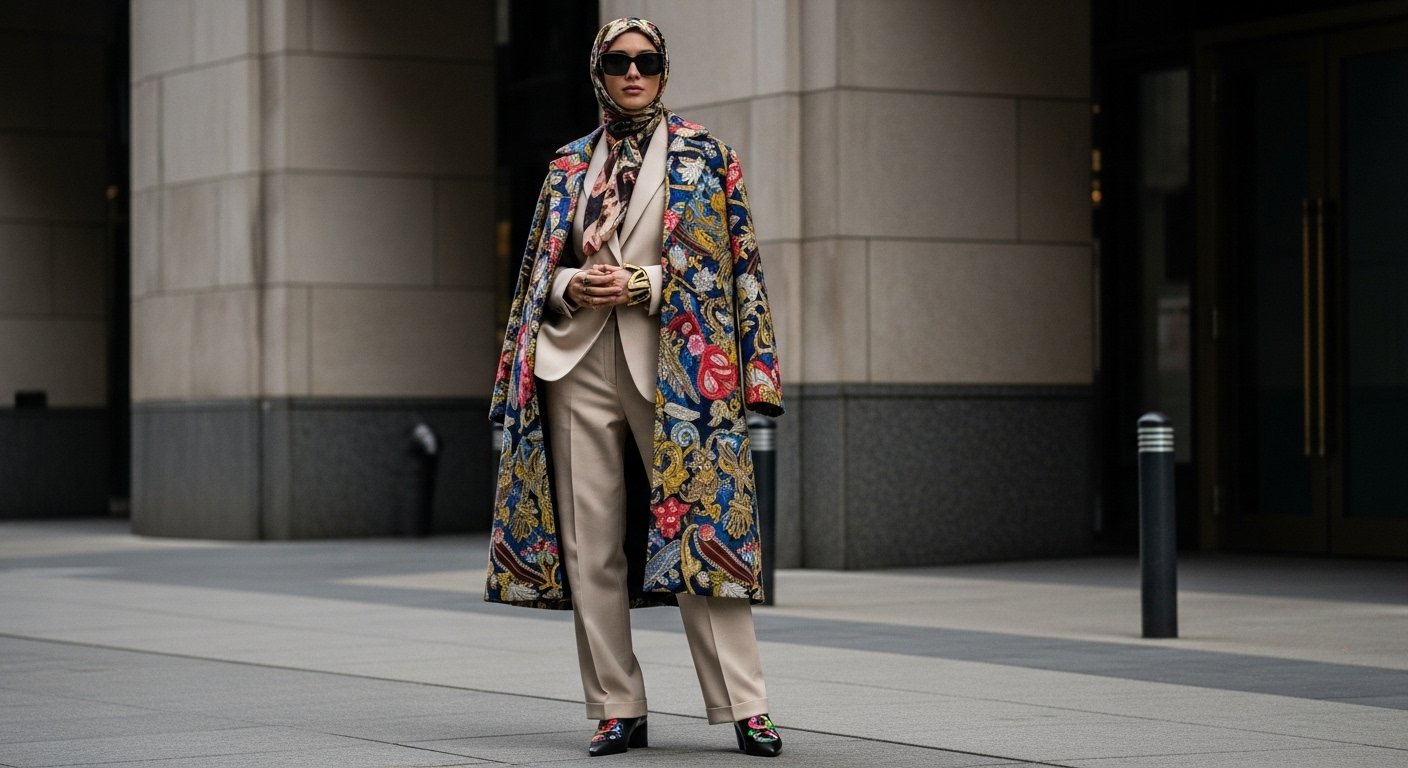
Luxury in America appears to be enjoying a considerable identity moment. Quiet luxury and bold maximalism are always close to each other in fashion, interiors, social media and daily decision-making. Instead of cancelling each other, they appear to coexist interestingly. One speaks of comfort and restraint; the other likes to be seen and touched. This opposition is an indication of how individuals may be striking stability against innovation and simplicity against sport. The discussion is not about who wins and who loses but about what each style brings with itself and what makes both of them remain an interesting topic in all the various lifestyles and at all times.
The appeal of understated confidence
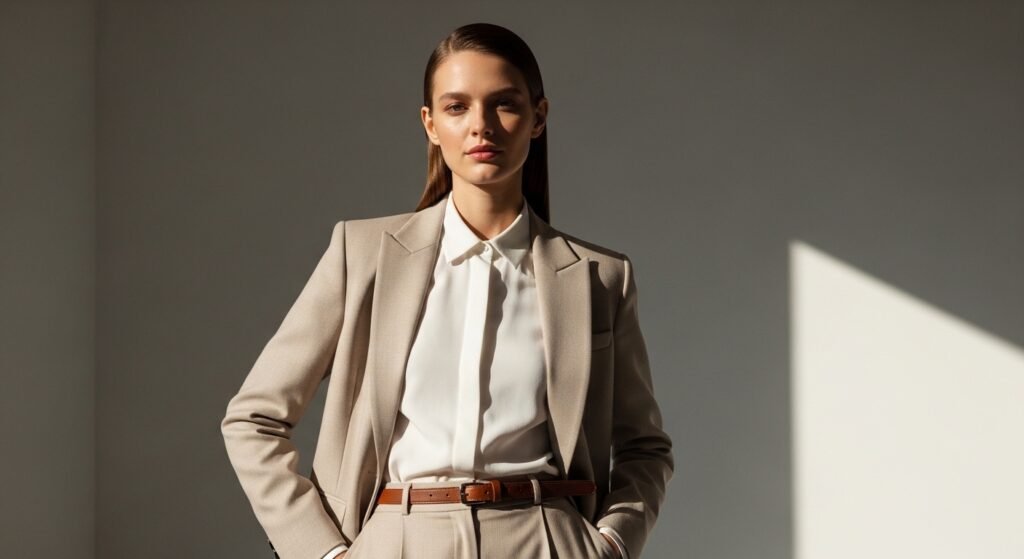
The concept of quiet luxury usually revolves around minor specifics, the use of high-quality materials, and a comfortable feeling. It can be attractive to people who prefer to feel well dressed without attracting attention, which implies confidence that is not pegged on elaboration and demonstration.
Why maximalism feels energizing
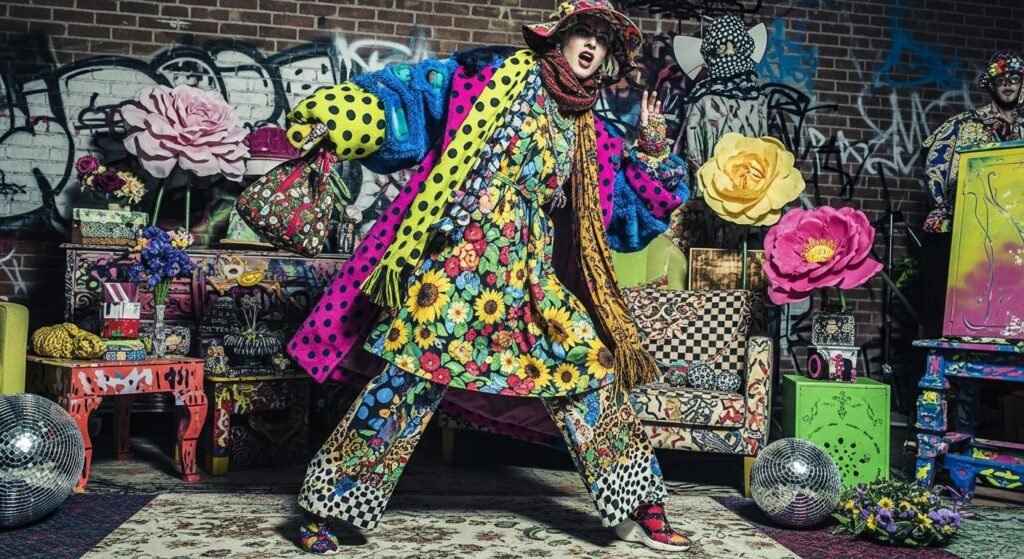
The bold maximalism is propelled towards color, pattern, and layered expression. It is capable of being happy and intimate and giving room to creativity. To others, it is an indication of the urge to introduce more emotion, fun, and personalization to daily environments.
How social media shapes both styles
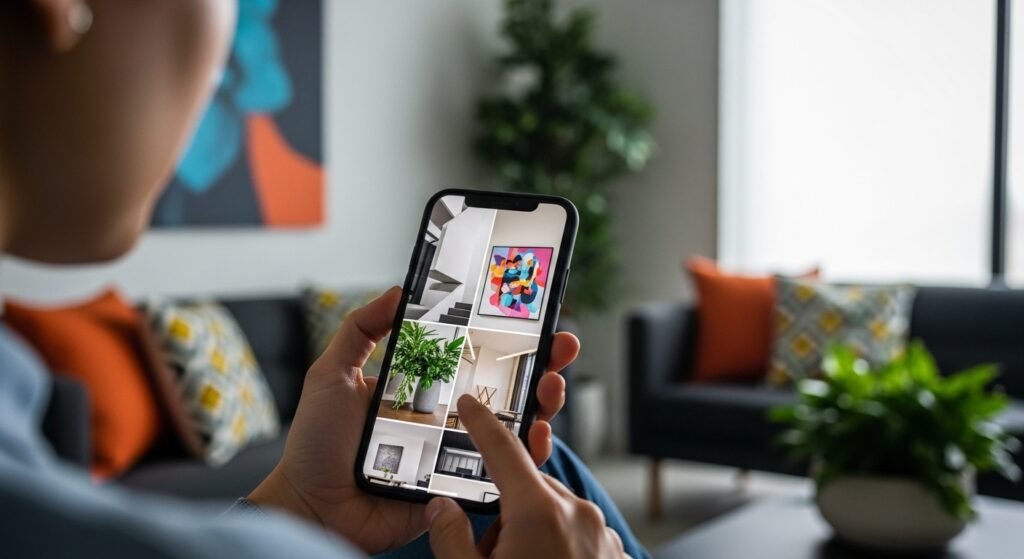
The online spaces may increase both trends differently. Minimal aesthetics are clean and peaceful, and maximalist images may even be thrilling and unforgettable. Both styles appear to have their audience by the manner in which people scroll, save, and share inspiration.
Interiors that tell different stories
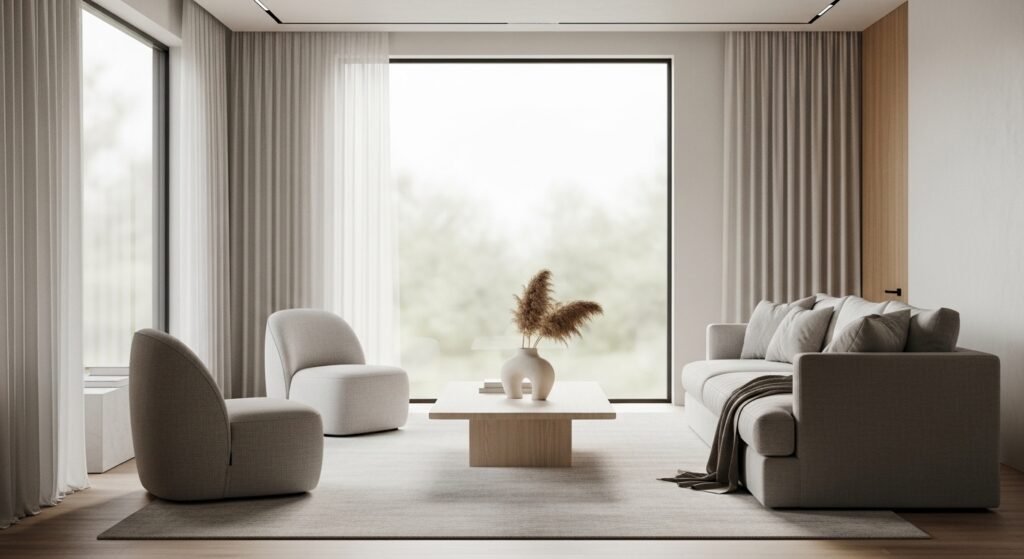
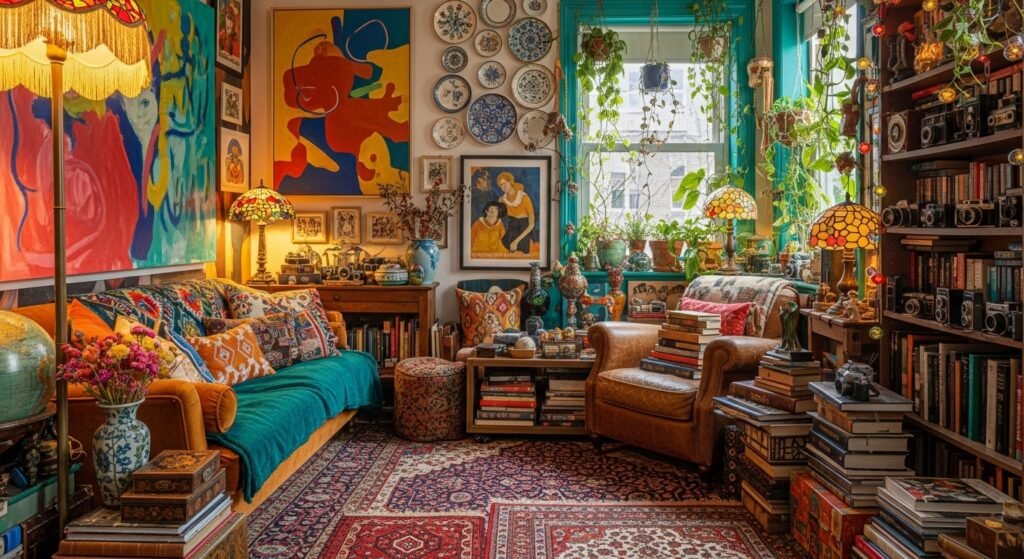
Light, space, and texture are some of the elements that may be emphasized in homes that are designed with a calming luxury. There is a tendency to display collections, color, and multiple-layered meaning in maximalist interiors. Both may be welcoming, with regard to how close they get to individual comfort and style of life.
Generational influence and style preferences
The varying age groups can associate with these trends differently. There are those who would be inclined to simple elegance over the ages, whereas others like experimenting. Nevertheless, tastes frequently cross over each other and are influenced by personality more than by age itself.
The location of economic consciousness
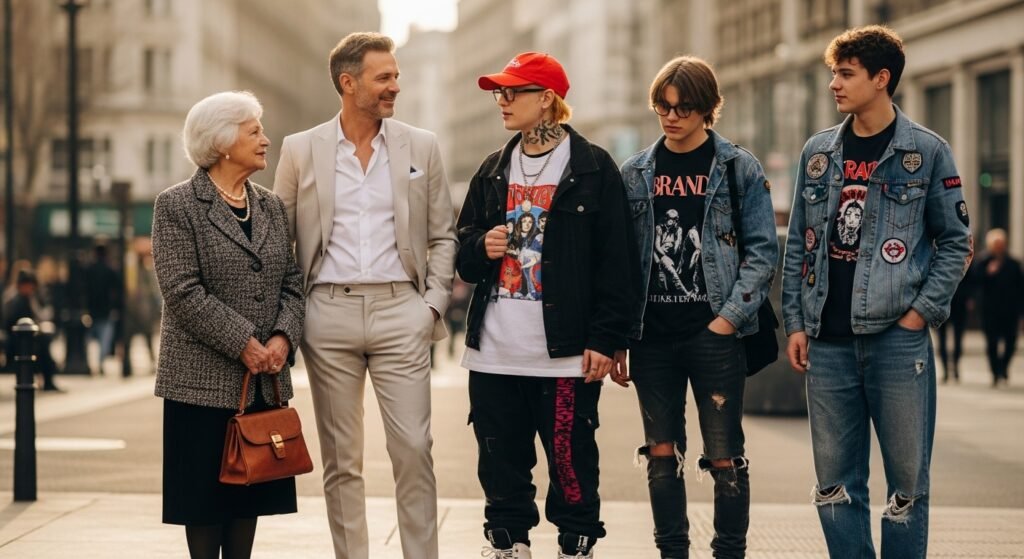
During these trying times, simple decisions may prove comforting, and flamboyant fashions may be liberating. The two approaches can indicate the way individuals react in their emotions to the broader conditions, regardless of whether they make deliberate statements.
Mixing the two without labels
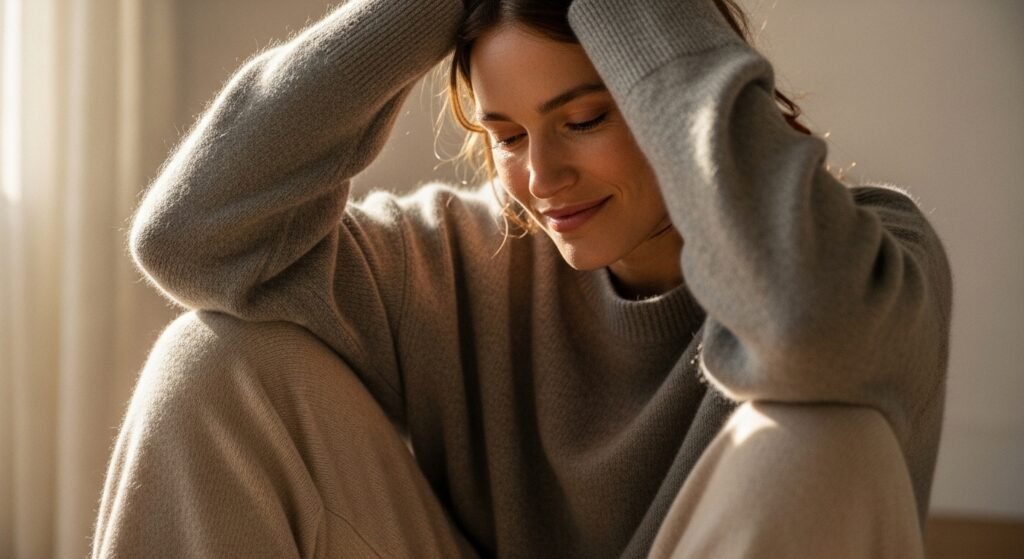
A large number of the population appear to blend plain fundamentals with flaunting accents. This mixture provides some form of flexibility without incurring full commitment to either of the aesthetics. It provides that style options do not require rigorous specification to be fulfilled.
Personal identity and self-expression
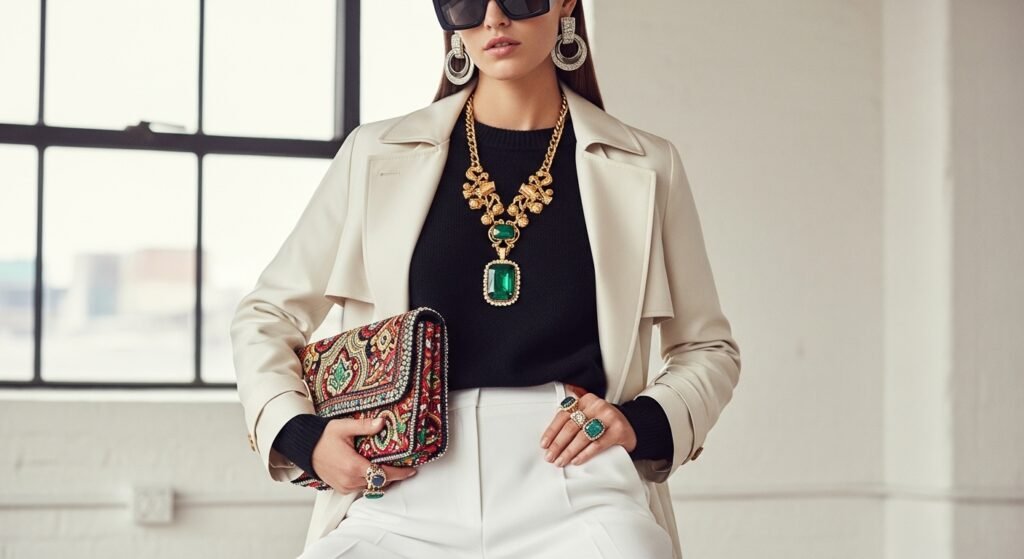
Style has the ability to provide a way in which a person views themselves at that particular time. The quiet luxury may reflect internal stability, and maximalism may reflect curiosity or confidence. Such expressions tend to develop normally with time.
Trends vs. personal taste
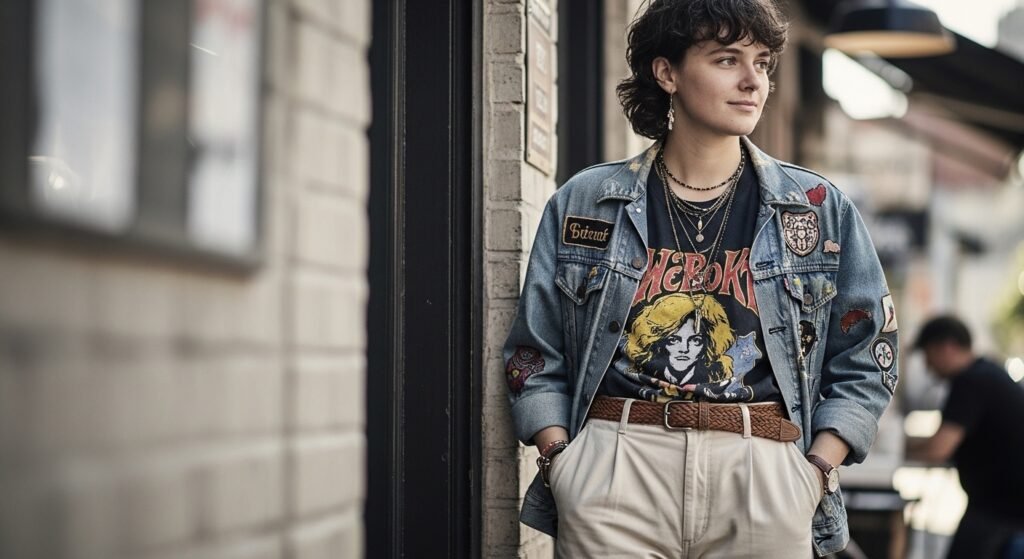
Trends are phenomena that pass, and comfort is something that is likely to remain. Some might briefly tour these aesthetics, and then there are those who embrace portions that are resonant. The equilibrium usually lies on what is authentic and not what is popular.
About the Author