
Warm water can be used to make a normal day a relaxing one. A hot bath is like a reset button when one has worked long hours or changed seasons. Although the comfort is very clear, the skin silently adapts to such a habit in a manner that may be gradual. With age, time, and repetition, temperature, length, and frequency could contribute to the appearance and texture of skin. Others may be less obvious, whereas others may amplify with time. It does not imply that the realization of these potential changes involves any compromise. It merely creates room to become aware, balanced and make superior decisions that are more in line with real lifestyles and real individuals.
Natural oils and their quiet role
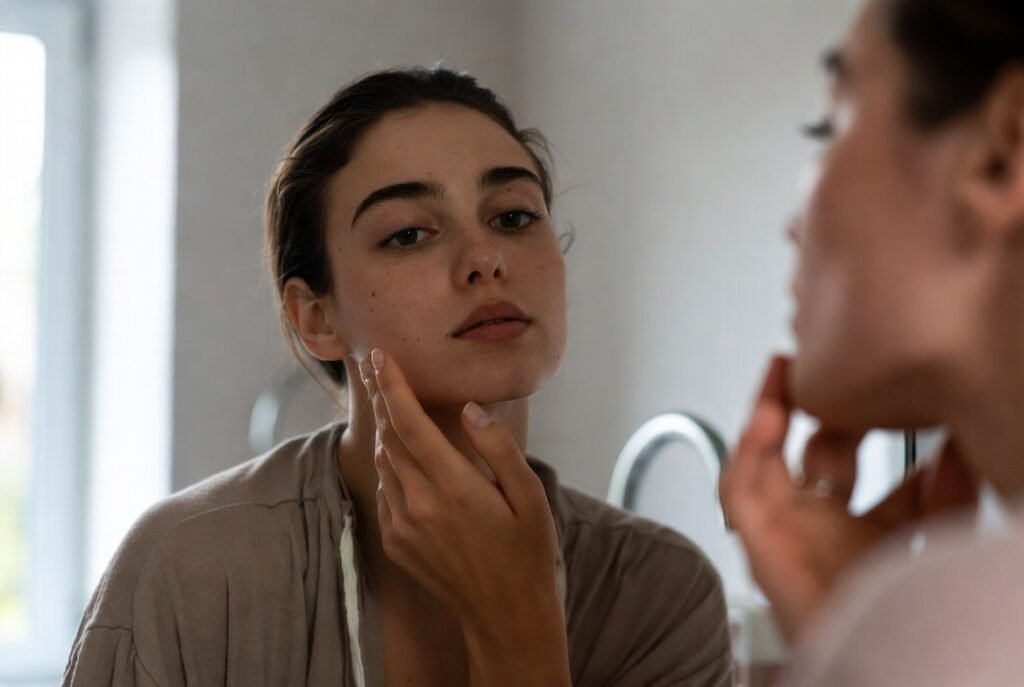
Skin is dependent on natural oils to maintain a balance. Regular exposure to hot water may, over time remove some of these oils and leave the surface tight or less supple, depending on the type of skin.
Appearances of aging with age.
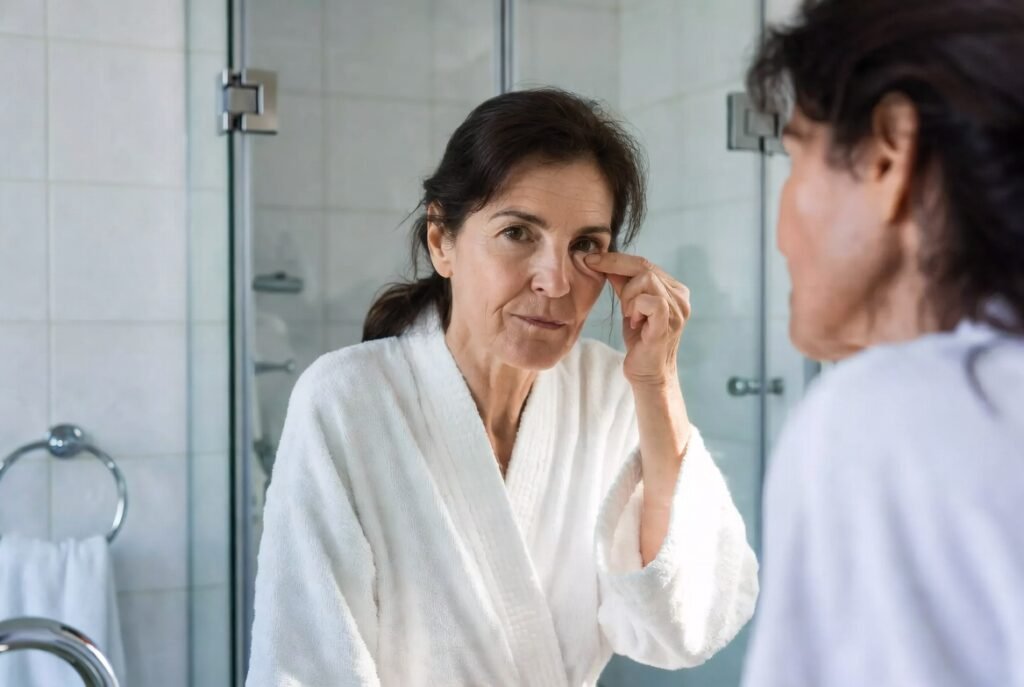
There may be an effect of heat exposure on skin aging, but there are mixed outcomes. There is a thinking that too often hot baths can work toward a slack or less smooth look in the long run, but other elements, such as the way of care, are also important.
Impact on dry skin conditions

Hot baths may exacerbate that experience for people who are easily affected by dry or flaky skin. The heat might provide a pleasant experience initially, but it might also result in the skin requiring additional care when it finishes to get back to a normal level of comfort.
Effect on oily skin balance

The same may not apply to oily skin. Hot water might cleanse the surface oil, and this can feel refreshing, but in certain instances, the skin may even generate more oil to replace it, creating a vicious cycle.
How duration shapes results
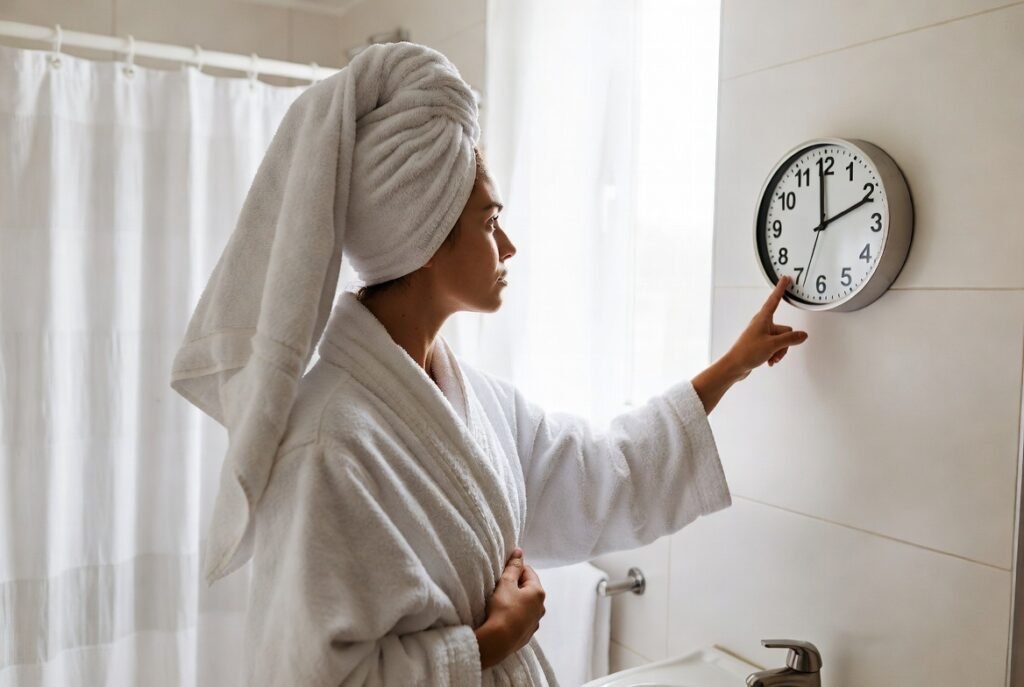
It is perhaps equally important as the temperature how long a hot bath should be. Quick treatment may not produce much of an effect, and longer treatments may introduce the risk of significant alterations to the texture or comfort.
Daily habits and cumulative effects

One hot bath hardly tells the story. The change in the skin is accumulative, so the habits one develops commonly on a daily or even weekly basis may prove to be a bigger factor than the infrequent indulgence in terms of long-term appearance.
Individual skin types matter

The outcomes of two individuals are not similar. Genetics, pre-existing conditions, and lifestyle-related factors are all at play in bathing and thus it may seem that hot water is safe to some and difficult to others.
Balance over perfection
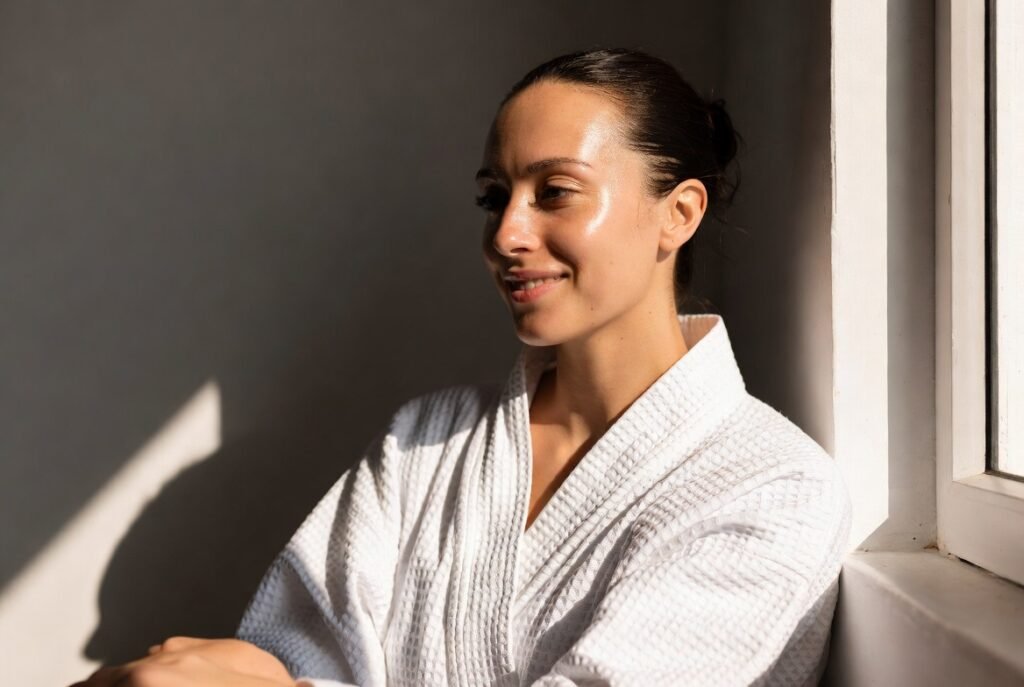
It might not be concerning not to take hot baths at all. A compromise between comfort and care might be the solution to enjoying it without any apparent drawbacks, at least when accompanied by conscious, skin-friendly habits.
Listening to subtle signals
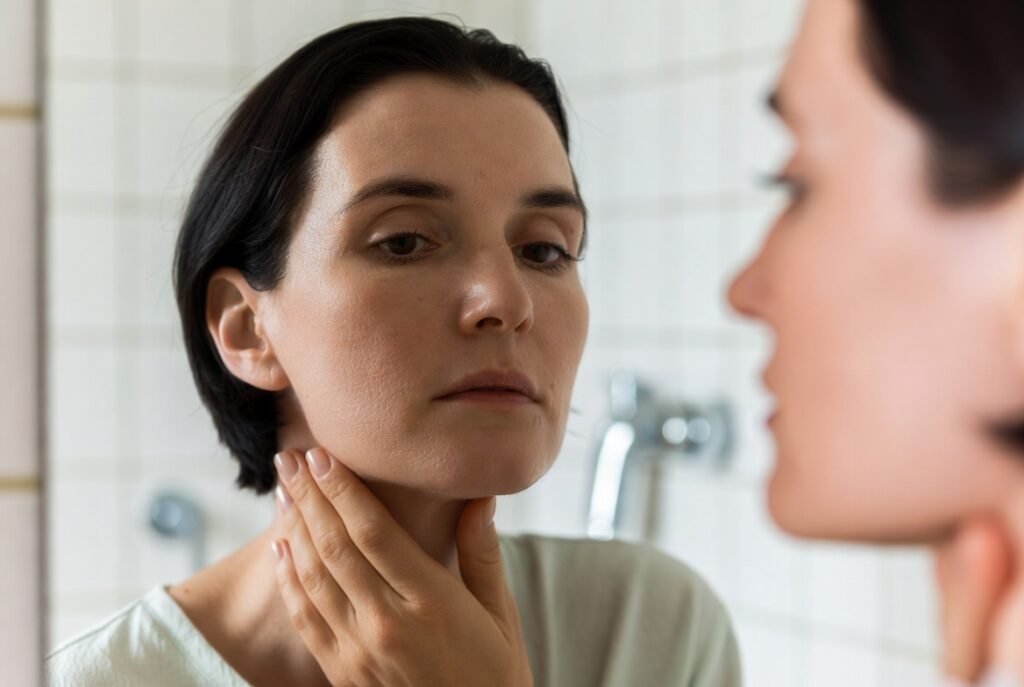
Skin usually leaves some subtle clues before the significant changes are observed. Being sensitive to tightness, itchiness, or dullness over the course of time can assist in making minor alterations that ensure bathing is fun and skin feels its best.
About the Author