
Hands are usually doing more than they are appreciated. They toil the long days, switch with the seasons, and openly demonstrate signs of daily living. And even though face and hair routines tend to take center stage, hands can be left to be taken care of infrequently. Does not mean that a considerate hand routine should be complex and time-consuming. It could just be taking a break that can be incorporated into a routine. This type of care might be comforting to others and help them look more refined. In any case, paying some attention to hands might be a tender means to decelerate and observe the accumulation of day-to-day activities.
Moisture as a comfort factor
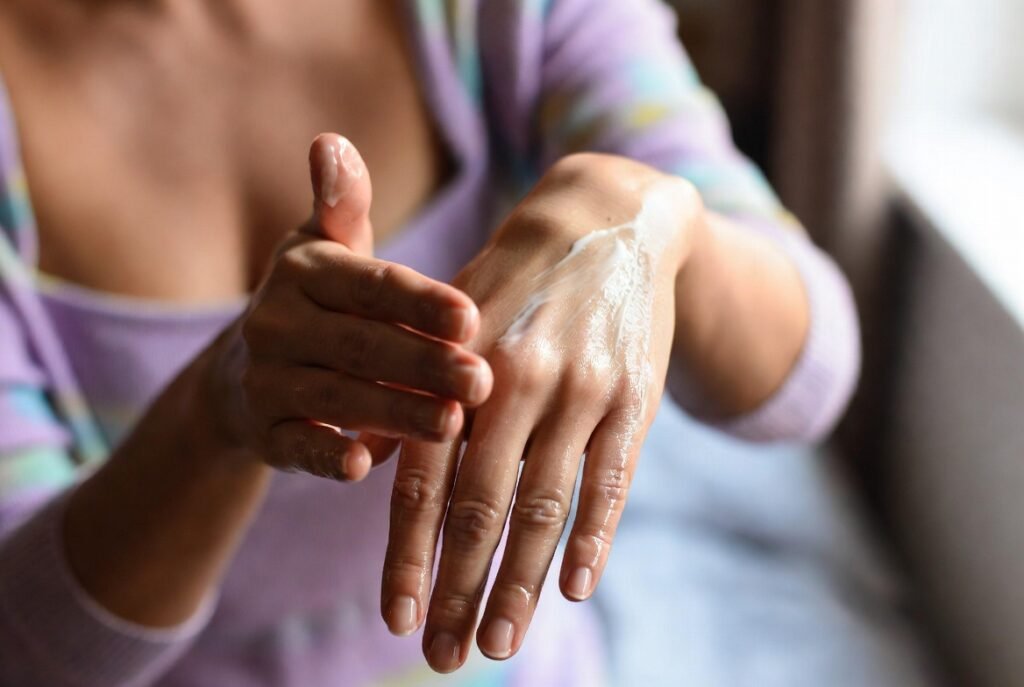
Sometimes the hands may feel tight or rough due to dryness. Regular use of moisturizer can assist in giving a more comfortable touch. It is not perfection, but it is about helping the skin in the case when it appears that the skin requires additional treatment.
Washing without overdoing it
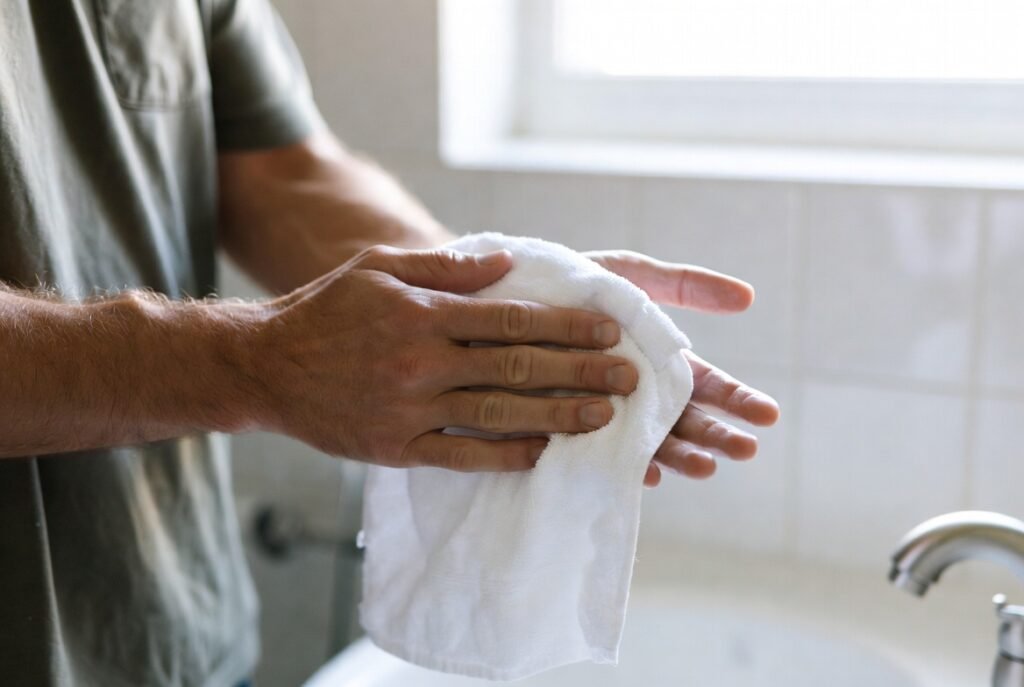
Washing of hands is a normal practice, but a lot of it can leave your skin stripped. Cleaning with mild products and aftercare may also be an option to a regular process to balance the comfort with cleanliness, depending on individual habits and products to use.
Seasonal shifts and skin feel

The behavior of hands is frequently affected by changes in the weather. Moisture may be influenced by cold, heat, or humidity. Seasonal care changes could work to make hands more comfortable, although they may not produce similar outcomes in everybody.
The role of texture and sensation
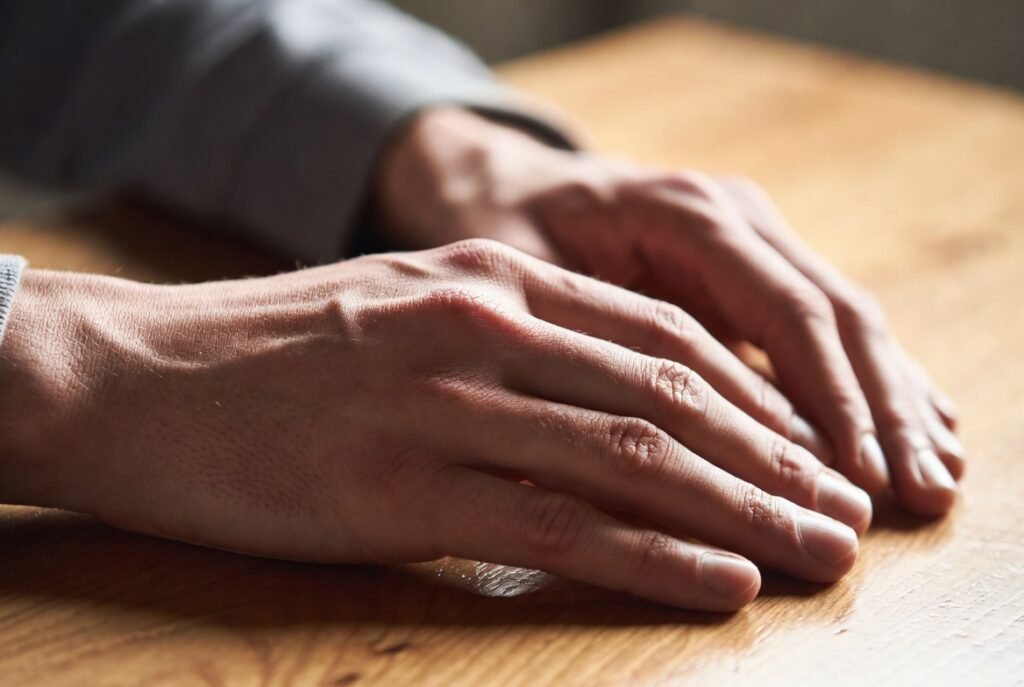
The comfort in the hands can affect everyday comfort. Appearance may not be as important as smoothness, softness, or flexibility. This could be supported by a routine and make routine tasks a bit more enjoyable.
Stress and the hands connection

The hands are occasionally indicative of stress, either in tension or dryness. Even a short moment in the car can provide a respite in the day. Although it is not a solution, it may be a grounding effect to some individuals.
Aging and gentle support

With time, hands can have slight variations. A schedule could aid in ensuring that nothing looks or feels bad without attempting to undo anything. It is not so much about fighting but about supporting natural processes.
Choosing products thoughtfully

It is not that every product will suit all of them. Considering ingredients and individual responses can be used to make decisions. A routine does not have to be fixed, but is able to change with changes in the needs of the skin.
Professional and personal impressions

During day-to-day interactions, hands appear. Being content with one’s appearance can have indirect effects on confidence. The routine would facilitate such comfort without necessarily impressing anybody.
Simplicity over complexity

A hand routine does not require a lot of steps. Action sequences might be easier to sustain. It may be better to keep it simple so that it might integrate more easily into everyday life.
Making it your own

All people are different in their hands and tastes. The best kind of routine is when it is personal and real. Changing frequency or products, or steps, enables the care to remain adaptable and accommodating instead of inflexible.
About the Author