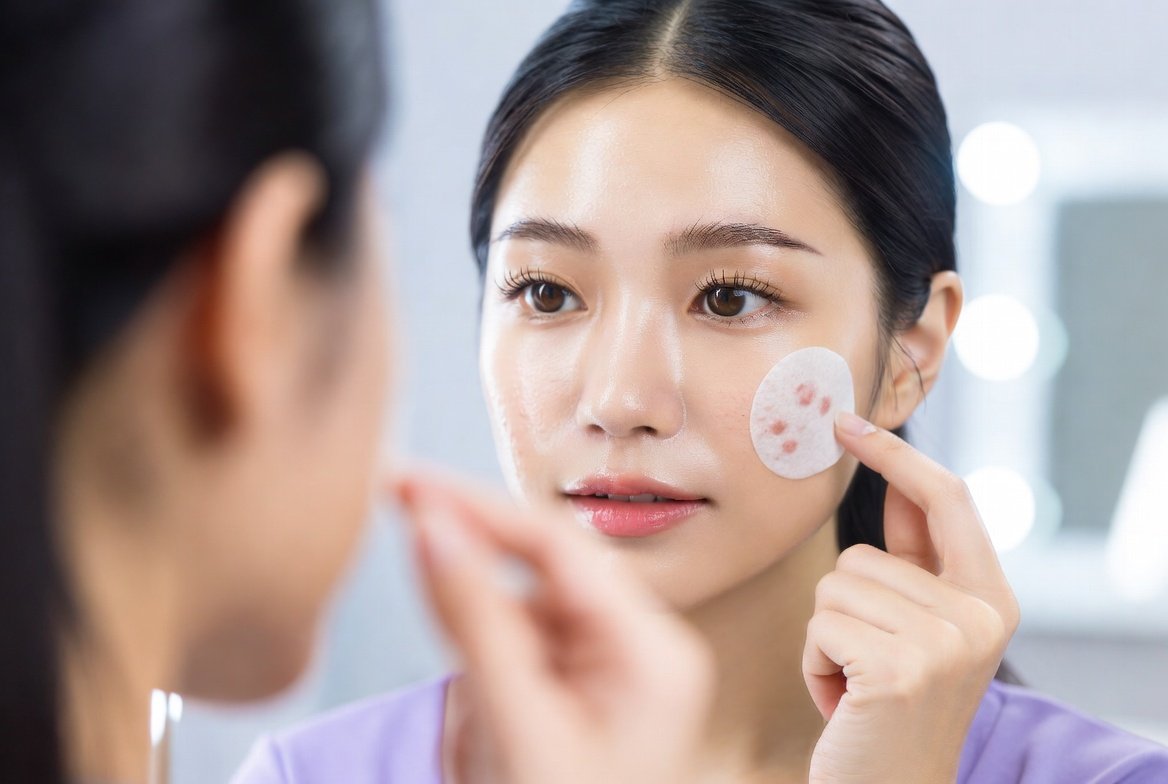
Pimple patches have become one of those skincare products that individuals have automatic access to and have become a part of their routine. They are easy to look at, easy to promise fast assistance, and easy to integrate into everyday life. Nevertheless, even minor customs of the manner in which they are employed occasionally render the experience less beneficial than imagined. The skin is individual, the mood is volatile, and breakouts do not usually have a rule; thus, outcomes may be inconsistent. This is why it can be better to familiarize yourself with several of the pitfalls that can be made to feel less confusing and more supportive when it comes to pimple patches. With some enlightenment and tolerance, even these small stickers may seem like a friendly companion rather than a puzzle. It does not need to be perfect, only smarter, more comfortable and realistic decisions.
Applying on unclean skin
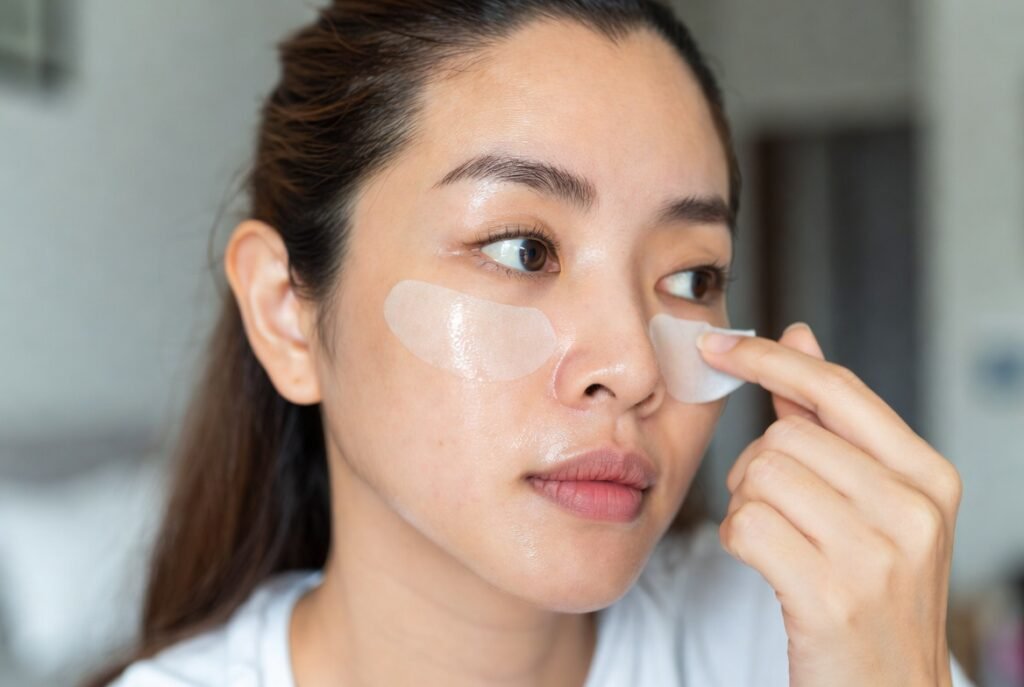
Applying a patch on skin with oil, makeup, or residue from a cleanser can lower its adhesiveness. Wet skin tends to be less in contact; hence, it may not stick to the patch as easily as it would on dry skin and may not act as intended.
Using it too early
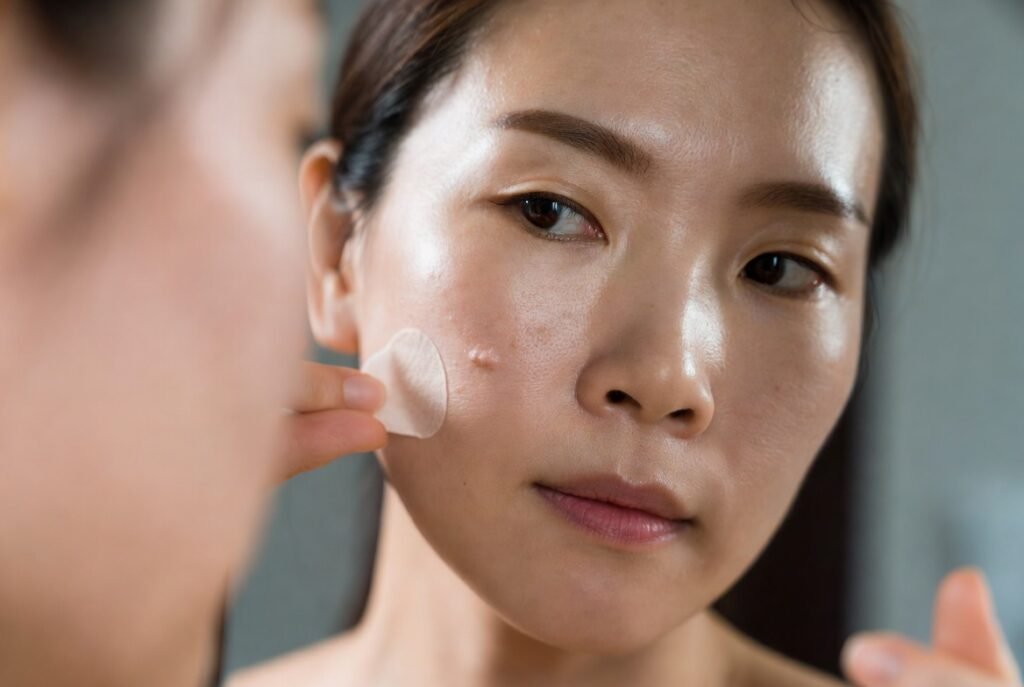
The patch of pimples is sometimes applied prior to a spot being prepared. Bumps that arise very early in life might not react much, but that is all right. It may be more effective once the patch is more formed, which may be achieved by waiting.
Leaving it on too long
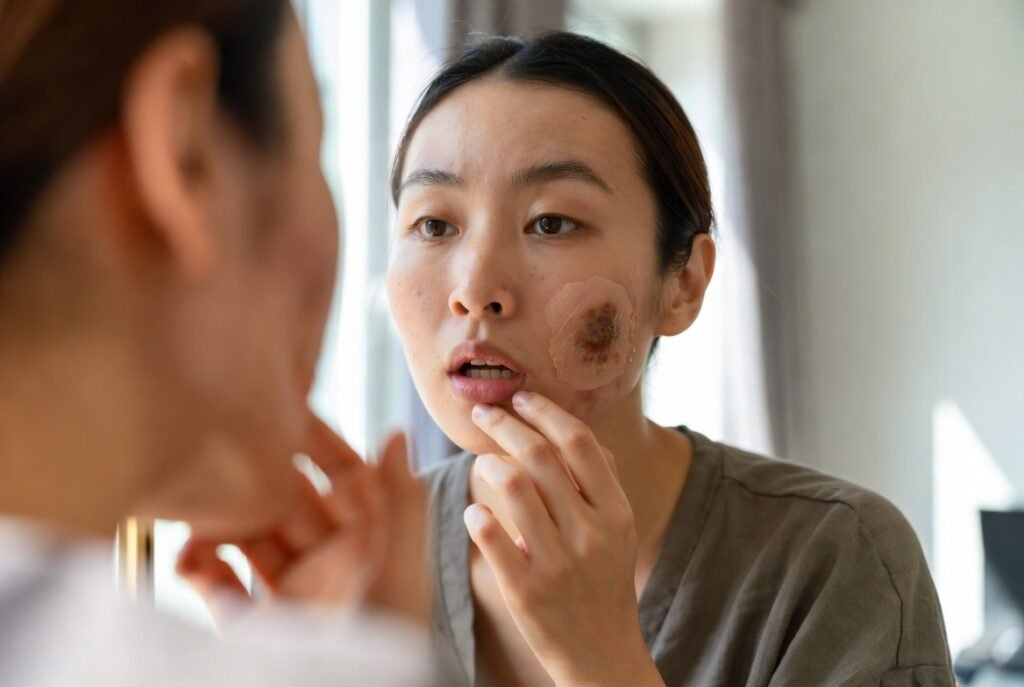
Wearing a patch longer than recommended may appear useful, but skin requires air and balance. Prolonged wear may cause dryness or irritation to individuals, particularly when the area is sensitive in nature.
Using multiple patches on one spot
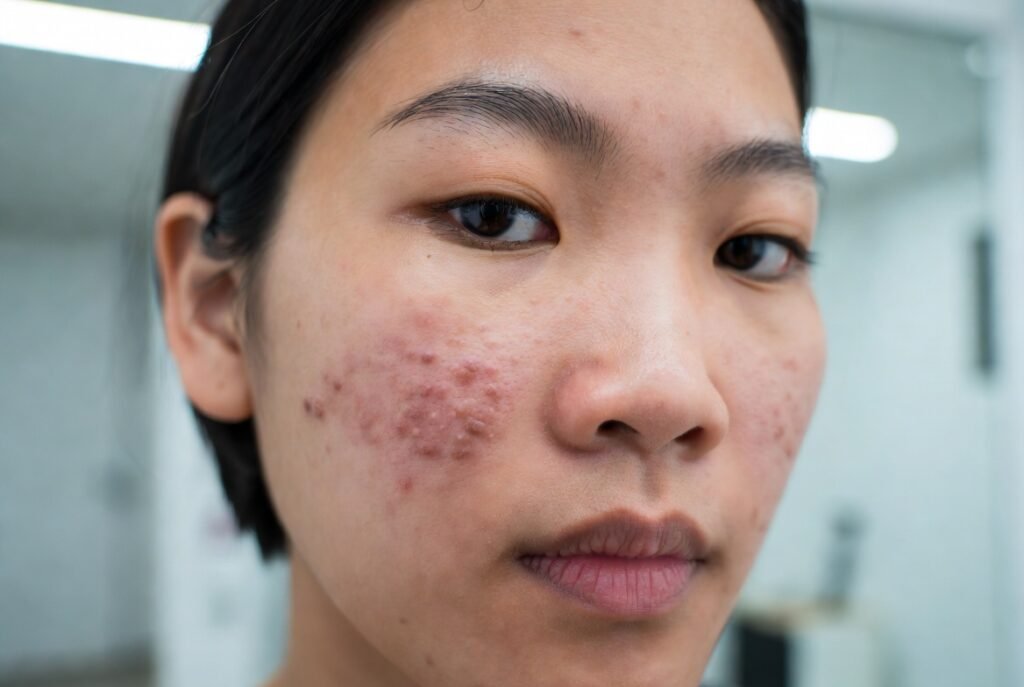
Adding patches or changing them frequently may be irritating the area. Sometimes skin is responsive when it is allowed a certain degree of space. A single patch could be more comfortable.
Applying over broken skin

It may be uncomfortable to put a patch on an open or already raw part of the skin. Then, it can be more humane to allow the skin to settle down and then address patches, since patches are typically only topical.
Ignoring skin type

Several reactions may occur depending upon different types of skin. What is fine to one individual may be dry or heavy to another. Observing the reaction of the skin can help make better decisions in the long term.
Using patches as a daily habit
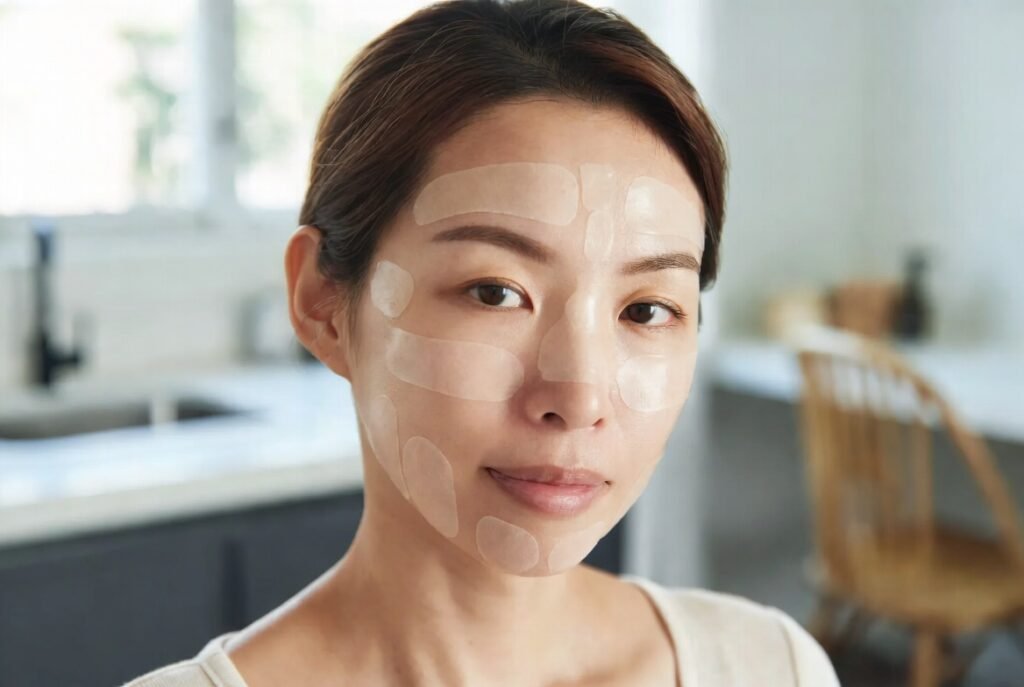
There is no need to use pimple patches daily. They may come in handy, but the skin usually likes variety and rest, particularly when the breakouts are not present.
Touching the patch too much
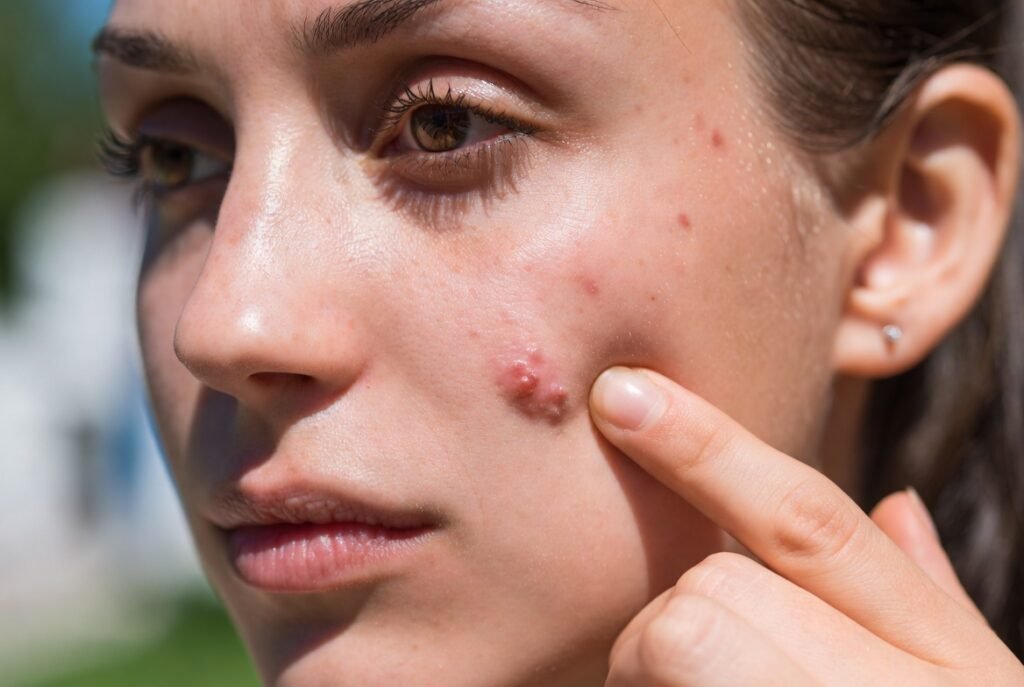
Playing with a patch or looking at it repeatedly may lead to the introduction of bacteria or the shaking of its fixing. On its own, when left alone, it has a tendency to make it comfortable and less conspicuous.
Using the wrong size
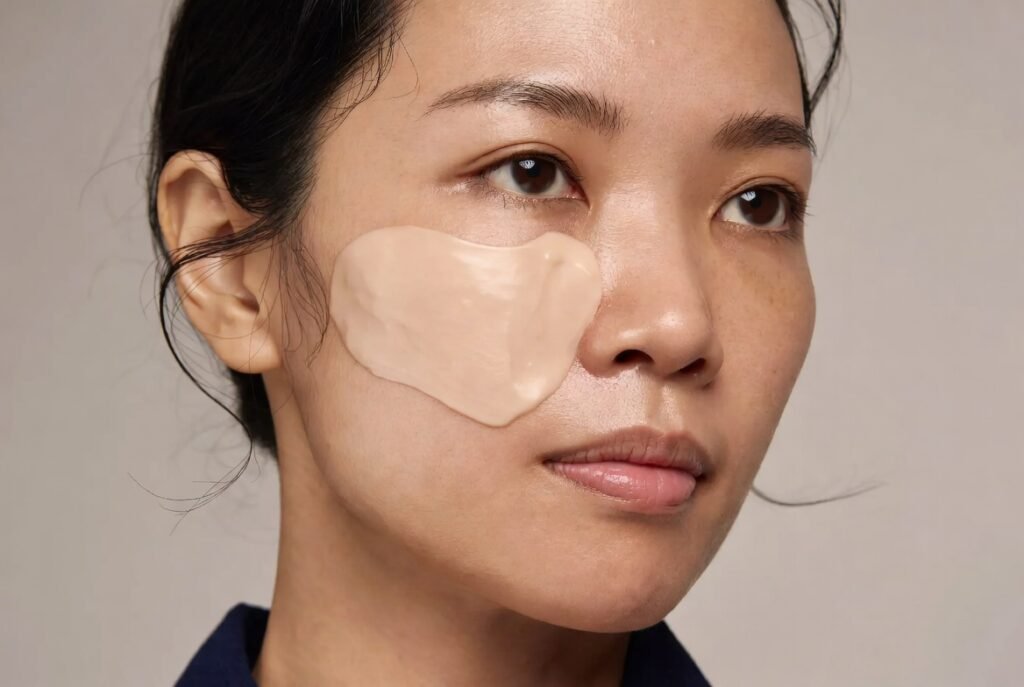
An oversized or undersized patch could not cover all areas, and a big patch could impact the surrounding skin. It can be more convenient and less pronounced to select a size that fits the spot perfectly.
About the Author