Image Credit: By Laura Lee Dooley
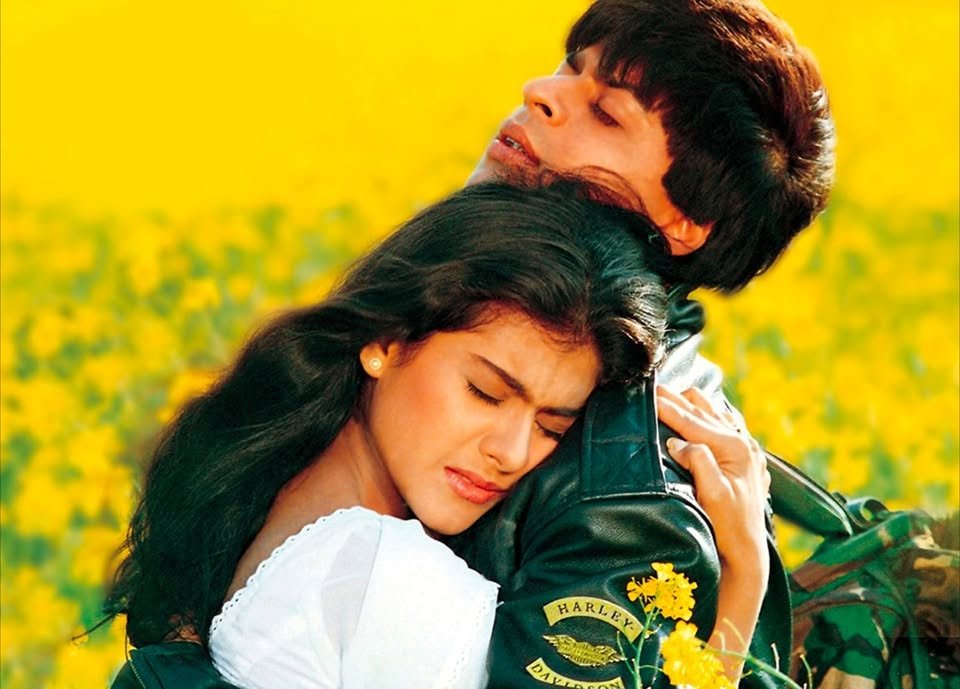
After 30 years, Dilwale Dulhania Le Jayenge is never forgotten, for the mustard fields, for the mandolin tune, for Raj’s outstretched hand on that train platform. Before the film set any time or space apart into cinema folklore, however, it had already made an impact on the Bollywood industry’s way of selling itself to the public in a subtle manner. The film was an early example of marketing and PR in Hindi cinema, as it was the first to air a making-of special and TV ads, in an era before films were even advertised.
A Time When Films Simply Didn’t Advertise
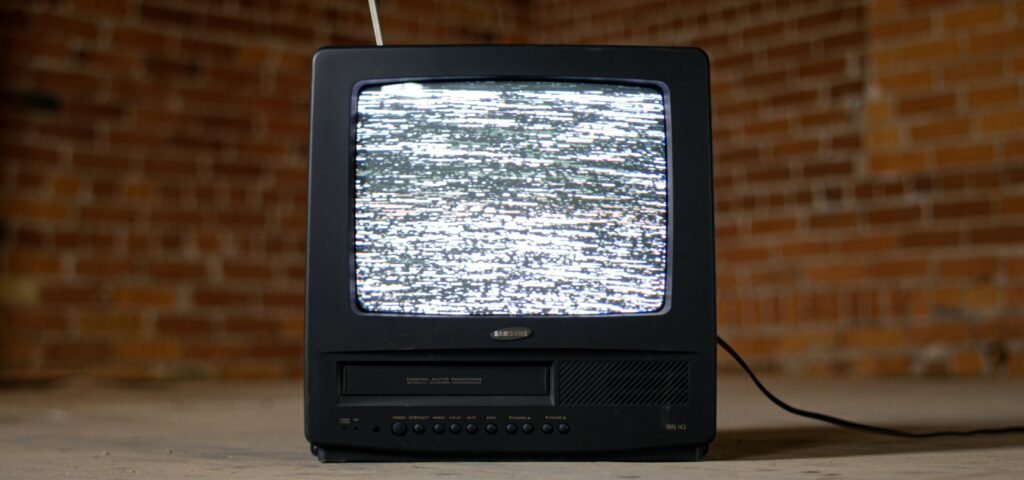
Back in 1995, Hindi cinema ran almost entirely on word of mouth, with marketing budgets that were practically an afterthought. Posters and a few newspaper ads were the norm, and the idea of a structured promotional campaign barely existed in the way audiences understand it today.
Aditya Chopra Had Other Plans
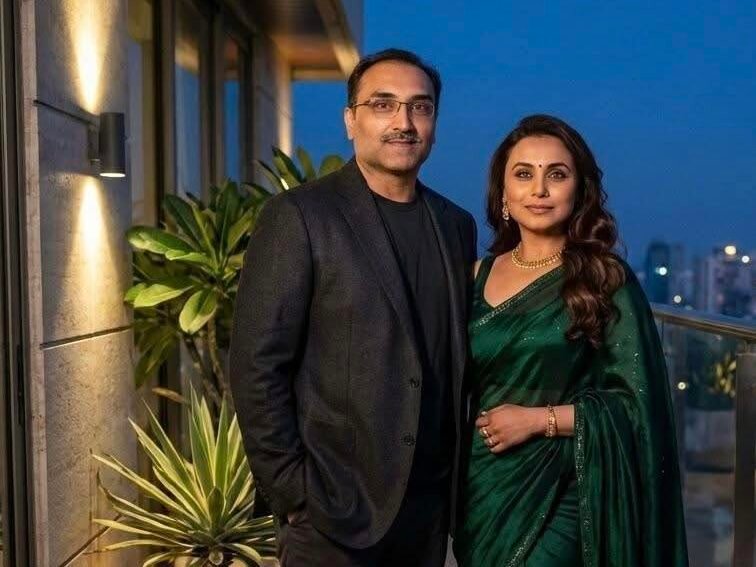
A young, first-time director named Aditya Chopra decided this approach simply wasn’t going to work for his debut film. Years later, he revealed in the book Aditya Chopra Relives… Dilwale Dulhania Le Jayenge just how deliberate and unconventional his promotional strategy actually was.
Television Was Booming, So He Used It
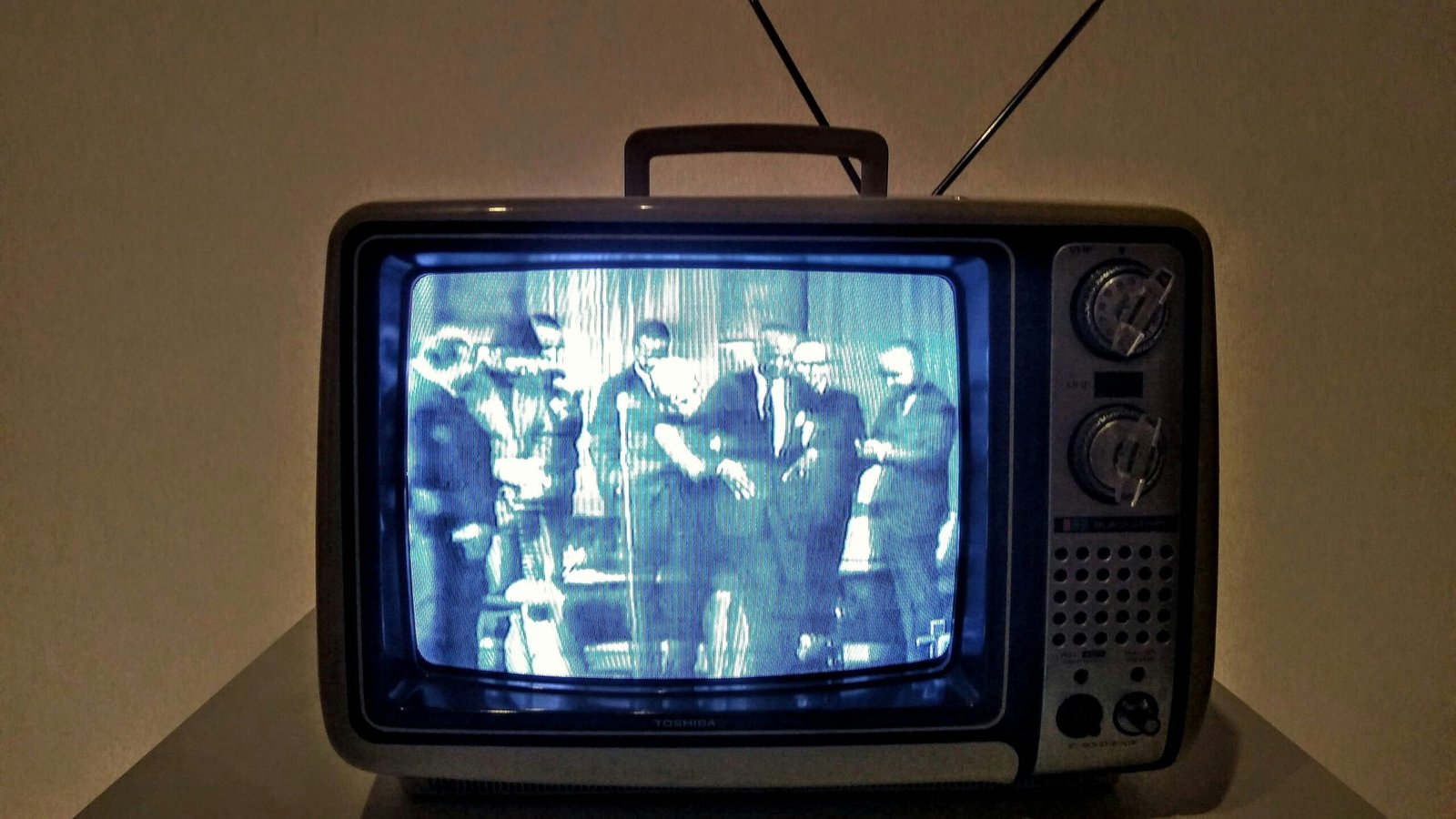
The mid-nineties marked a genuine explosion in Indian television, with private channels entering the scene for the first time. Chopra recognised the opportunity early and made DDLJ one of the very first Hindi films to actually run advertisements on TV.
A Trailer That Looked Like Nothing Else
In addition to being more than a run-through of the plot, Chopra made a movie trailer that alternated between colour and black and white, lending the film an unusually contemporary and rich appearance for the era. The marketing felt as thoughtfully considered as the film itself, it was just a small creative touch.
The Making-Of Special That Confused Doordarshan Viewers
DDLJ has shown a behind-the-scenes documentary on Doordarshan, the national broadcaster, two days before the movie’s theatrical release, which is a first for the industry. Many viewers were actually baffled and thought that this was a selling of a yet to air tele-film instead of a making-of special for a film in the cinema.
Karan Johar’s Early Brush With Filmmaking
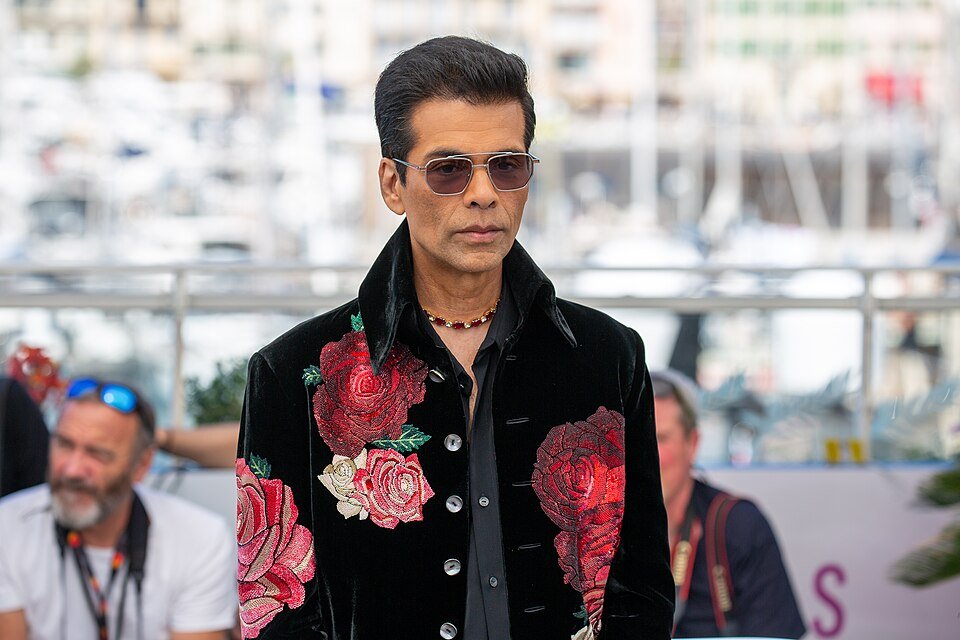
It wasn’t done by outsiders, either, that groundbreaking documentary. Before Uday Chopra went on to helms his blockbusters, and before Karan Johar became a director, he and Uday Chopra were already documenting the specials, parts of which they went on to direct.
Songs Released Two Months Before The Film
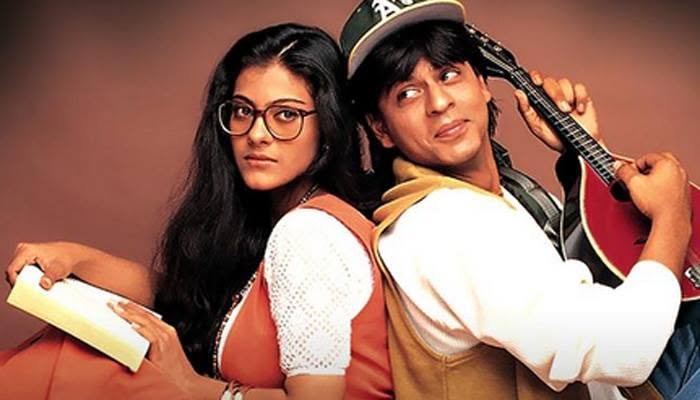
Long before streaming made early song drops routine, DDLJ’s soundtrack hit the airwaves a full two months ahead of release. Tracks like Tujhe Dekha To and Mehndi Laga Ke Rakhna spread rapidly through radio and cassette sales, building anticipation well before a single ticket went on sale.
The Payoff Was Immediate And Massive
When DDLJ finally released on 20 October 1995, every single show in every Mumbai theatre, bar one, sold out in its very first week. The momentum built through months of unconventional promotion had clearly translated directly into ticket sales.
A Diaspora Audience That Showed Up In Force
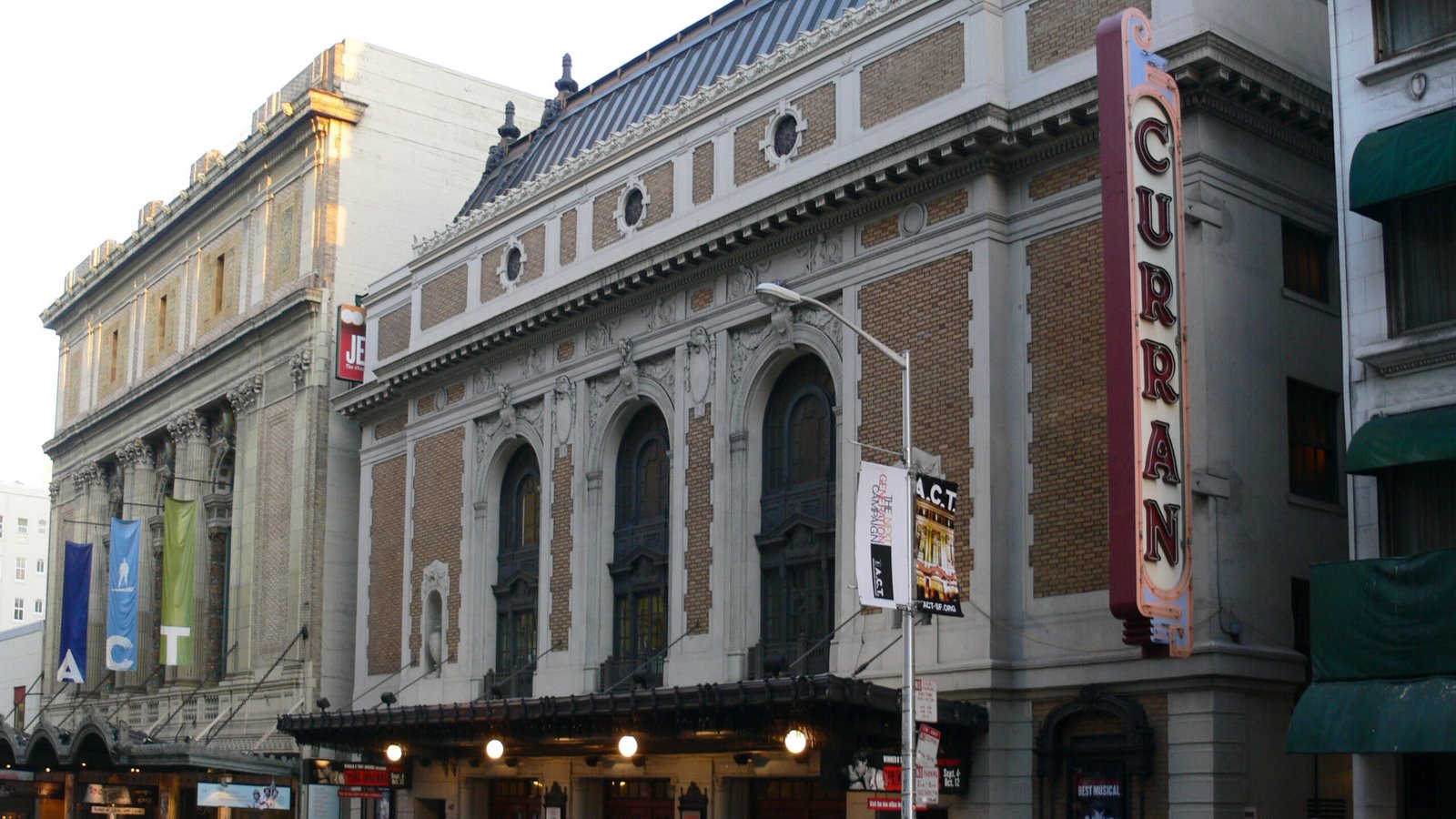
The reach of this early marketing extended well beyond India, with the film’s first screening at San Francisco’s 720-seat Naz theatre drawing a thousand eager viewers. Staff were forced to schedule a late additional show that very night just to meet demand.
An Industry That Took Notice
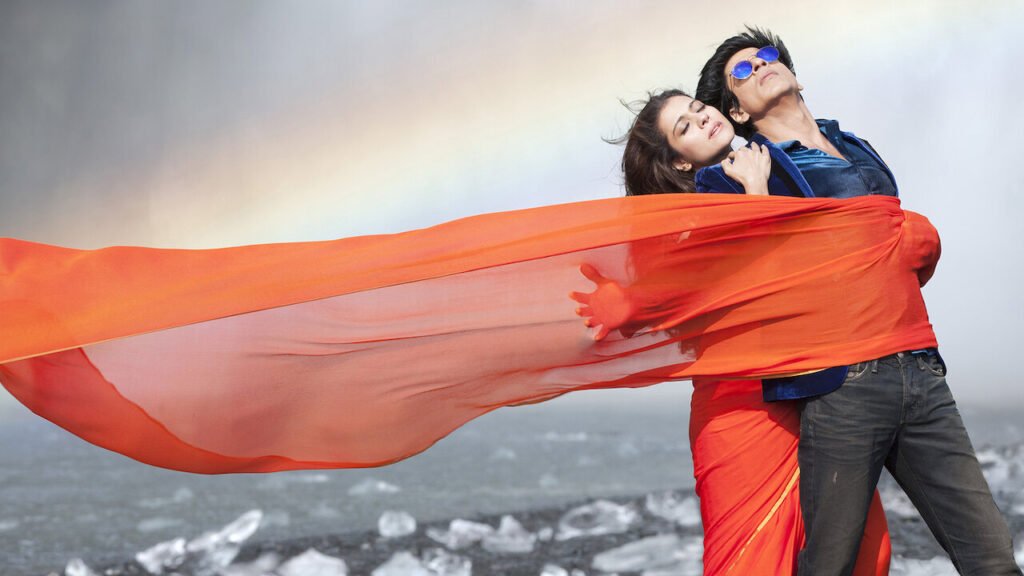
DDLJ was a success not only for Shah Rukh Khan and Kajol, but it also revolutionized the way Bollywood is doing business in selling a film. In just a few years, television promotion and early release and behind-the-scenes material became commonplace in the industry.
A Case Study That Still Gets Cited Today

Today, after three decades, Dilwale Dulhania Le Jayenge is one of the most quoted Bollywood marketing foot notes in the history of the Bollywood industry, a fact that is widely acknowledged by trade publications and industry experts. Perhaps the best legacy of a movie that has done so much to defy tradition is that it broke one of Bollywood’s most time-honored practices.
About the Author